
Global National – May 28

Global National Broadcast on May 28 Highlights Evolving Canadian Priorities Amid Global Shifts
Anchor Dawna Friesen Guides Viewers Through Critical Stories
In the May 28 edition of Global National, anchor Dawna Friesen delivered a measured and thorough examination of the day’s most pressing issues, underscoring Canada’s position at the intersection of domestic policy challenges and international developments. The broadcast, which aired across Global Television’s network, maintained the program’s reputation for balanced reporting while incorporating data-driven segments on inflation trends, federal-provincial relations, and Canada’s role in ongoing multilateral discussions.
Friesen opened the program by contextualizing recent Statistics Canada figures showing the Consumer Price Index rising 2.8 percent year-over-year in April, a slight moderation from March. Economists interviewed during the broadcast noted that while energy prices contributed to the uptick, core inflation measures excluding food and energy remained stable at 2.4 percent. This data provided viewers with a clear baseline for understanding Bank of Canada policy signals expected in the coming weeks.
Economic Indicators and Household Impacts
The segment transitioned into an analysis of how these figures affect Canadian households. Global National’s business correspondent presented regional breakdowns, revealing that Atlantic provinces experienced a 3.1 percent increase in shelter costs, while British Columbia saw moderated growth in grocery prices due to improved supply chains. Friesen emphasized the importance of distinguishing between headline and underlying inflation, allowing audiences to assess personal financial planning with greater precision.
Expert commentary from Bank of Canada senior economist Dr. Lena Moreau added depth: “The trajectory suggests cautious optimism, yet external shocks from commodity markets could alter the path. Policymakers are monitoring wage growth closely to avoid second-round effects.” Such perspectives aligned with the broadcast’s commitment to presenting multiple viewpoints without sensationalism.
Political Developments in Ottawa
Shifting focus to Parliament Hill, the program examined the latest federal budget implementation debates. Friesen reported on the minority government’s negotiations with opposition parties regarding housing affordability measures. Specific details included proposed tax incentives for first-time buyers and increased funding for modular housing projects in urban centers like Toronto and Vancouver.
Quotes from NDP housing critic Matthew Green highlighted concerns over implementation timelines, while Conservative finance spokesperson Jasraj Singh Hallan stressed fiscal restraint. Global National’s Ottawa bureau provided context on historical parallels, noting similarities to 2016 affordability initiatives that achieved mixed results in high-demand markets.
International Context and Trade Implications
The broadcast also addressed Canada’s participation in G7 preparations, with particular attention to supply chain resilience discussions. Friesen outlined how recent disruptions in Asian manufacturing hubs could influence Canadian exports of critical minerals. Data from Natural Resources Canada indicated a 12 percent rise in lithium and nickel shipments to European partners in the first quarter, underscoring strategic opportunities.
Analysis from international relations professor Dr. Amara Okoro at the University of Toronto explored the broader ramifications: “Canada’s resource sector positions it as a reliable partner, yet diversification remains essential to mitigate geopolitical risks.” This segment exemplified the program’s approach to linking global events directly to Canadian economic and security interests.
Public Health and Regional Updates
Further into the hour, Friesen presented updates on provincial healthcare reforms, focusing on Ontario’s expansion of nurse practitioner-led clinics. Statistics from the Ministry of Health showed a 15 percent reduction in emergency room wait times in pilot regions. Comparable initiatives in Alberta and Quebec were contrasted, offering viewers a national perspective on service delivery innovations.
Throughout the broadcast, Friesen maintained a deliberate pace, allowing complex topics to unfold with supporting visuals and verified data points. This style reinforced Global National’s role as a trusted source for Canadians seeking substantive coverage rather than fragmented headlines.
The May 28 edition concluded with a forward-looking segment on climate adaptation strategies, citing recent federal investments in coastal infrastructure. Friesen’s sign-off invited viewers to engage with full story archives online, extending the broadcast’s reach beyond linear television.
This is Alex Thompson for Global1 News, reporting from Toronto. 🇨🇦
This article was produced with AI-assisted research and editorial support. Reporting is based on sources cited in the article.
What's Your Reaction?
 Like
0
Like
0
 Dislike
0
Dislike
0
 Love
0
Love
0
 Funny
0
Funny
0
 Wow
0
Wow
0
 Sad
0
Sad
0
 Angry
0
Angry
0
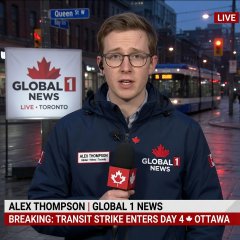
Canada Correspondent at Global1.News. Based in Toronto, covering Canadian politics, energy, trade, and US-Canada relations. Provides the Canadian perspective on North American and global affairs.















Comments (0)