
Free AI Inpainting Tool KREATIVE Challenges Adobe in 2026
Folks, Big Tech's grip on creative software is cracking wide open in 2026, and the latest blow comes from a scrappy open-source upstart called KREATIVE that's handing users free, uncensored AI inpainting power that Adobe and Midjourney still charge monthly for. This isn't vaporware hype—it's a zero-cost tool letting anyone edit any part of an image locally without subscriptions
Folks, Big Tech's grip on creative software is cracking wide open in 2026, and the latest blow comes from a scrappy open-source upstart called KREATIVE that's handing users free, uncensored AI inpainting power that Adobe and Midjourney still charge monthly for. This isn't vaporware hype—it's a zero-cost tool letting anyone edit any part of an image locally without subscriptions or content filters. The David-versus-Goliath story just got real.
Free AI Inpainting Tool KREATIVE Challenges Adobe and Midjourney Dominance in 2026
Atlanta, GA – June 25, 2026 — A new open-source AI inpainting tool named KREATIVE is surging in popularity this month, offering completely free image editing that runs locally and skips the paid walls erected by Adobe Firefly, Canva Magic Studio, and Midjourney. Developed by independent coders and shared on public repositories, KREATIVE lets users mask and regenerate any section of an existing photo or illustration with text prompts, all without uploading data to corporate servers or hitting usage caps. Early adopters report seamless results on consumer GPUs, positioning the tool as a direct threat to subscription models that have dominated generative AI since 2023.
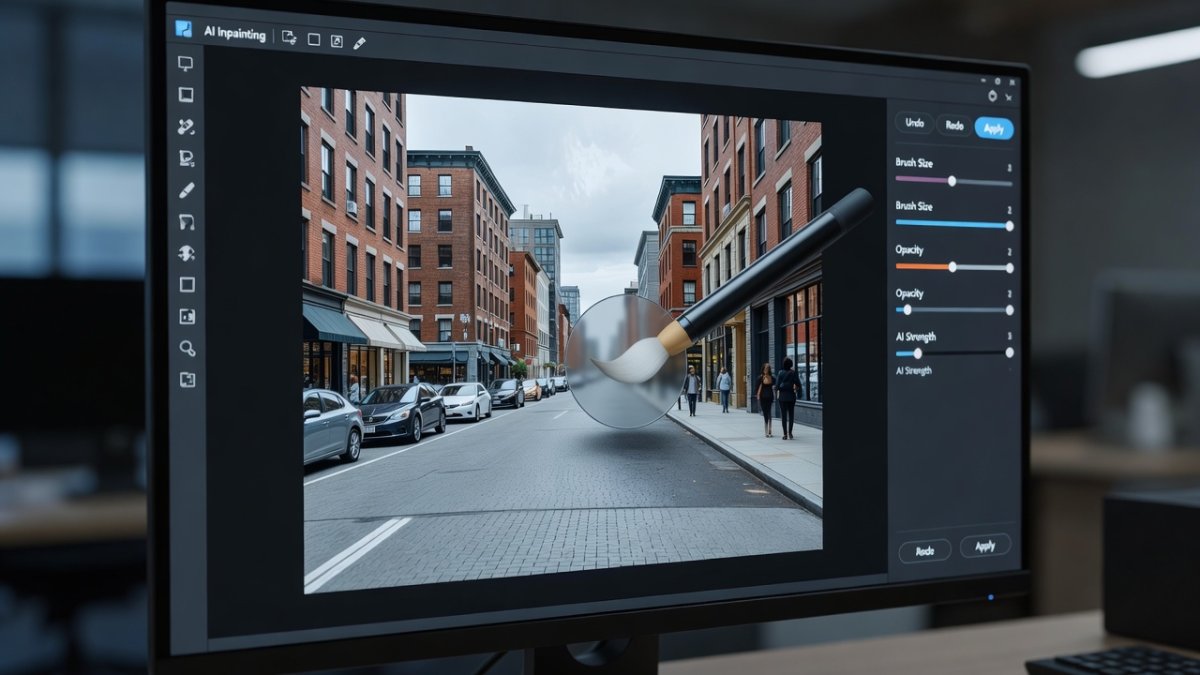
The Open-Source Revolution in Image Editing
The broader wave is unmistakable. Since late 2025, community-driven models have multiplied, fueled by accessible base architectures from projects like Stable Diffusion forks. KREATIVE stands out because it requires no cloud credits and operates entirely on a user's machine, sidestepping the recurring fees that can exceed $60 monthly for professional tiers at Adobe or Midjourney. Where corporate platforms enforce strict licensing and content policies, open-source alternatives prioritize user control. This shift mirrors earlier disruptions in video editing and music production, where free tools steadily eroded paid incumbents by delivering comparable quality at zero ongoing cost. Industry observers note that download metrics for similar repositories have climbed sharply in the first half of 2026, reflecting genuine demand for accessible generative tools.
Why Uncensored Matters
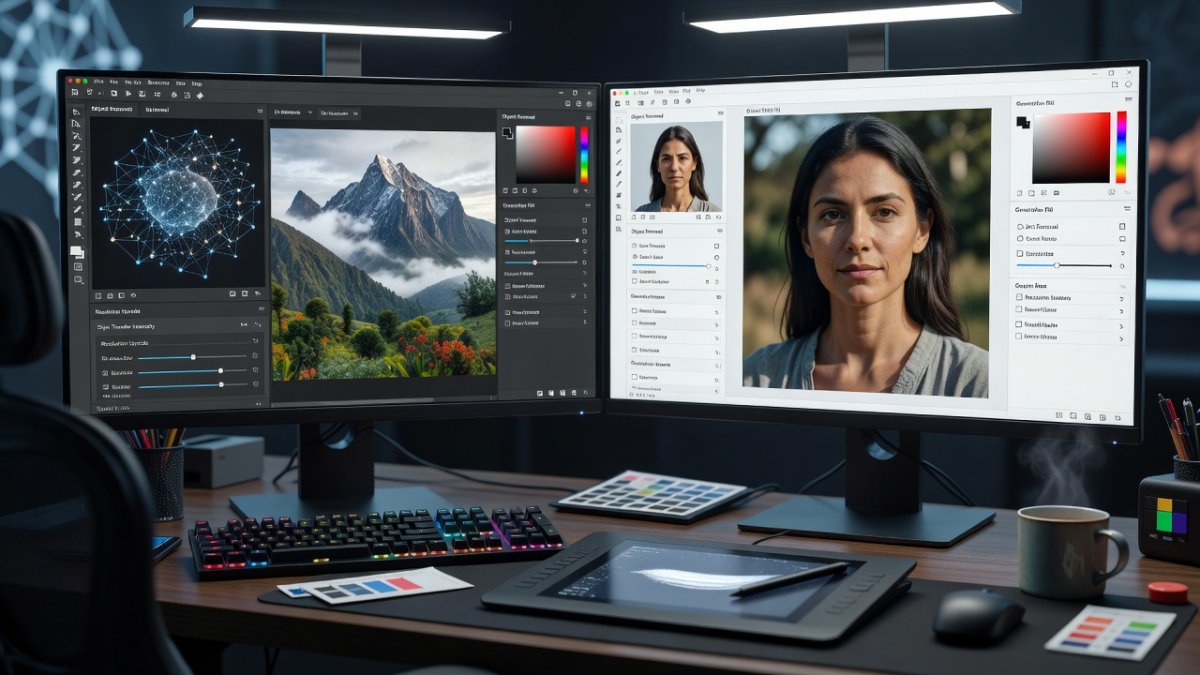
Uncensored access is the flashpoint. KREATIVE imposes no automated blocks on prompts, allowing creators to experiment without the guardrails that corporate tools apply to avoid controversial outputs. Supporters argue this preserves artistic freedom and accelerates innovation for legitimate uses like concept art or historical restoration. Critics counter that unrestricted inpainting heightens risks of deepfake creation and misinformation, especially as detection tools lag behind generation speed. European regulators are already studying how the EU AI Act classifies such local-run models, while platforms like YouTube continue tightening rules on AI-generated content. The tension is real: open tools empower individuals, yet they also lower barriers for misuse that could erode public trust in visual media.
What KREATIVE Brings to the Table
Technically, KREATIVE leverages a fine-tuned inpainting model that accepts precise masks and natural-language instructions, delivering results in seconds on hardware with at least 8GB VRAM. It supports common formats including PNG and JPEG, integrates with existing Stable Diffusion checkpoints, and offers batch processing for multiple edits. Compared with Adobe Firefly's cloud-based inpainting or DALL-E's web interface, KREATIVE avoids watermarks, data retention, and prompt restrictions. Midjourney's Discord-based workflow, while powerful, still requires paid subscriptions for high-volume use and applies community guidelines. Users highlight KREATIVE's offline capability as a decisive advantage for sensitive projects or regions with limited internet. The tool remains in active development, with community contributions expanding its feature set weekly.
The Wider Implications
This release fits squarely into 2026's AI landscape, where open-source momentum collides with regulatory pressure. The EU AI Act's transparency requirements for generative systems may eventually touch even local tools if they scale, while U.S. discussions around deepfake labeling continue without firm legislation. Meanwhile, the explosion of accessible AI has prompted platforms to crack down on low-effort "AI slop" flooding feeds. KREATIVE exemplifies the democratization argument: anyone with modest hardware can now compete with studio-level editing. Yet the same accessibility raises legitimate questions about accountability when harmful content spreads. The industry is watching whether open-source communities self-regulate or whether external rules will follow.
What to Know
KREATIVE is available now on major open-source repositories and requires a compatible GPU setup plus the base model weights, which are also freely downloadable. No payment or account is needed, though users should verify hardware compatibility and review community safety guidelines before generating sensitive material. Risks include potential model biases inherited from training data and the responsibility to avoid creating deceptive content. Always cross-check outputs against source images when accuracy matters.
The takeaway is straightforward: open-source AI is no longer fringe. Grab KREATIVE, test it on your own machine, and decide for yourself where the creative line should be drawn. Watch this space—more tools like it are already in the pipeline, and the next wave could reshape the entire editing stack by year's end. Stay informed, stay critical, and keep creating.
By Jessica Ali, Staff Writer
This article was produced with AI-assisted research and editorial support. Reporting is based on sources cited in the article.
What's Your Reaction?
 Like
0
Like
0
 Dislike
0
Dislike
0
 Love
0
Love
0
 Funny
0
Funny
0
 Wow
0
Wow
0
 Sad
0
Sad
0
 Angry
0
Angry
0

Editor-in-Chief at Global1.News. Atlanta-based journalist who cuts through the BS and tells it like it is. Lead anchor, host, and the voice you hear when the spin stops and the truth starts.












Comments (0)