
Ebo Taylor's Highlife Legacy Endures: From Accra Streets to Global Stages
In the vibrant soundscape of West African music, where rhythms from Accra's streets echo across borders to Dakar's bustling markets, the passing of Ebo Taylor in February 2026 marks the close of a chapter that began on January 24, 1936. His fusion of highlife with jazz and funk not only shaped Ghanaian stages but also resonated in Senegalese cultural gatherings, from the annual
In the vibrant soundscape of West African music, where rhythms from Accra's streets echo across borders to Dakar's bustling markets, the passing of Ebo Taylor in February 2026 marks the close of a chapter that began on January 24, 1936. His fusion of highlife with jazz and funk not only shaped Ghanaian stages but also resonated in Senegalese cultural gatherings, from the annual Dakar Music Festival to intimate sessions at the Institut Français. As tributes unfold from Johannesburg to London, Taylor's legacy invites reflection on how one Accra guitarist connected creative communities across the continent.
Ebo Taylor's Highlife Legacy Endures: From Accra Streets to Global Stages and Senegalese Cultural Echoes
Accra, Ghana – This month — Ebo Taylor, the guitarist and bandleader born January 24, 1936, who died at age 90 in February 2026, left behind a body of work that fused highlife with international styles over six decades. His leadership of the Black Star Highlife Band and Uhuru Dance Band in Accra established core sounds still sampled today by artists worldwide. From his London studies alongside Fela Kuti in the 1960s to key releases like "Love and Death" and "Appia Kwabenya," Taylor's influence stretches from Ghanaian festivals to African diaspora events in Europe and beyond.
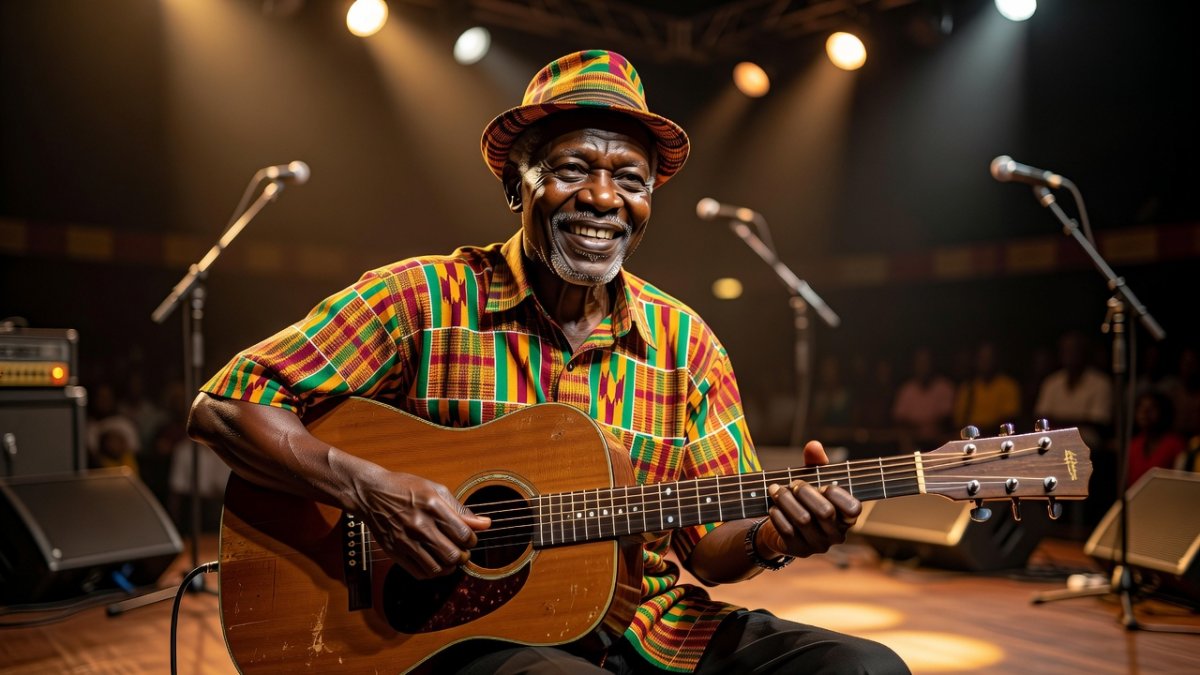
His Early Days and the Birth of Highlife
Ebo Taylor entered the world on January 24, 1936, in a Ghana still under colonial rule, where palm-wine guitar traditions mixed with brass band marches in coastal towns like Cape Coast near Accra. By the late 1950s, he joined the Black Star Highlife Band, performing at venues such as the Accra Community Centre and the Lido Nightclub, where crowds danced to rhythms blending Akan folk melodies with imported jazz chords. These early gigs laid the foundation for highlife as Ghana's national sound following independence in 1957.
Taylor's work with the Uhuru Dance Band in the early 1960s took him to performance halls across Accra, including the Star Hotel ballroom, where he composed pieces that highlighted electric guitar riffs over talking drum patterns. Local radio stations like Ghana Broadcasting Corporation aired his sets regularly, introducing highlife to listeners in Kumasi and Tamale. His compositions drew from Ga and Ewe musical elements, creating danceable tracks that filled community festivals in Greater Accra Region.
By 1962, Taylor had become a sought-after session musician at studios in Accra, collaborating with singers from the Ghana Army Band during national celebrations at Black Star Square. He refined his technique through informal lessons with older guitarists who had played in the 1940s highlife orchestras of E.T. Mensah. These experiences in Accra's tight-knit music scene prepared him for broader experiments while keeping roots in Ghanaian social gatherings like the annual Homowo festival.
Taylor's first recordings emerged from Decca Records sessions in Accra around 1960, capturing highlife numbers that referenced local market life and independence-era optimism. He performed at the 1963 Organisation of African Unity summit events in Accra, where heads of state heard his band's sets. Such exposure cemented highlife as a symbol of modern Ghanaian identity amid post-colonial nation-building.
In the mid-1960s, before departing for London, Taylor led rehearsals at community centers in Osu, Accra, mentoring younger musicians who later formed bands like the Ramblers International. His guitar work emphasized melodic lines that mirrored vocal styles from Akan praise singing. These formative years in Accra established the technical and cultural base for his later fusions, influencing highlife revivals at festivals in Takoradi and Winneba.
Throughout this period, Taylor balanced bandleading with family life in Accra's suburbs, where he hosted informal jam sessions drawing from Ga traditional drumming circles. His early compositions often referenced specific neighborhoods like Jamestown and Bukom, grounding highlife in everyday Ghanaian experiences. By the time he boarded a plane for London studies, Taylor carried a distinctly Accra-honed sound ready for international expansion.
London, Fela Kuti, and Global Exposure
Arriving in London in the mid-1960s, Ebo Taylor enrolled at music institutions where he roomed with Fela Kuti, then a young Nigerian saxophonist studying at the London School of Music. Their shared flat in North London became a hub for late-night discussions on African rhythms, with Taylor demonstrating highlife guitar patterns that Kuti later adapted into Afrobeat foundations. Taylor performed at venues like the 100 Club and Ronnie Scott's, introducing Ghanaian highlife to British audiences alongside Caribbean and African expatriate musicians.
During his London years, Taylor studied arrangement techniques that incorporated jazz harmony from Miles Davis recordings while preserving highlife bass lines. He collaborated with West African students at the Africa Centre in Covent Garden, organizing concerts that featured drummers from Ghana and Senegal. These events connected Accra highlife directly to emerging sounds in cities like Dakar, where similar guitar traditions met urban jazz.
Taylor's exposure to soul and funk records in London record shops influenced his chord progressions, which he tested during gigs with the Ghana Highlife Band UK. He returned to Accra in the early 1970s carrying new ideas that blended these styles, performing first at the Accra Sports Stadium for independence anniversary crowds. His time with Fela Kuti fostered mutual respect, as Kuti later cited highlife guitar as an Afrobeat precursor during Nigerian tours.
While in London, Taylor produced demo tapes sent back to Decca Ghana, featuring tracks that previewed his signature fusion. He attended workshops at the Commonwealth Institute, where he demonstrated highlife to audiences including members of the British African diaspora. These experiences broadened his perspective, allowing him to see Accra's music scene as part of a larger pan-African conversation.
Taylor maintained correspondence with Accra bandmates throughout his London stay, sending arrangements that incorporated London jazz club influences. His friendship with Fela Kuti extended to joint performances at student unions in Brixton, where highlife and highlife-derived grooves filled dance floors. Upon returning home, Taylor applied these lessons at Accra studios, mentoring a new generation that included future Afrobeat players.
The London period also exposed Taylor to recording technology at facilities like IBC Studios, where he experimented with multi-tracking highlife guitar overdubs. He connected with Senegalese musicians visiting London, exchanging ideas that later echoed in Dakar's mbalax scenes through shared rhythmic approaches. These cross-cultural exchanges ensured Taylor's sound carried global awareness back to Ghanaian stages.
The Recordings That Defined a Genre
Ebo Taylor's 1970s and 1980s output, including the landmark album "Love and Death" released in 1977 on Essiebons Records in Accra, showcased his highlife-jazz fusion with extended guitar solos over funky bass grooves. Tracks from this record, recorded at studios near Kwame Nkrumah Circle, featured the Uhuru Dance Band and became staples at Accra nightclubs like the Apollo Theatre. The album's themes drew from Ghanaian social issues, resonating at community events in Kumasi and beyond.
"Appia Kwabenya," another key release from the early 1980s, highlighted Taylor's production skills with layered percussion that blended traditional Akan rhythms and soul influences. Recorded in Accra with local session players, the album gained traction through airplay on Radio Ghana and sales at markets in Accra's Kantamanto district. Its compositions later provided source material for international sampling by hip-hop and electronic artists in the 2000s.
Taylor produced dozens of singles for Ghanaian labels throughout the 1970s, many featuring vocalists from the Black Star Highlife Band during sessions at the Ghana Film Studio. These recordings captured live energy from performances at the National Theatre in Accra, where audiences responded to his guitar leads. His production work extended to mentoring younger acts, shaping the sound of highlife bands active in Cape Coast festivals.
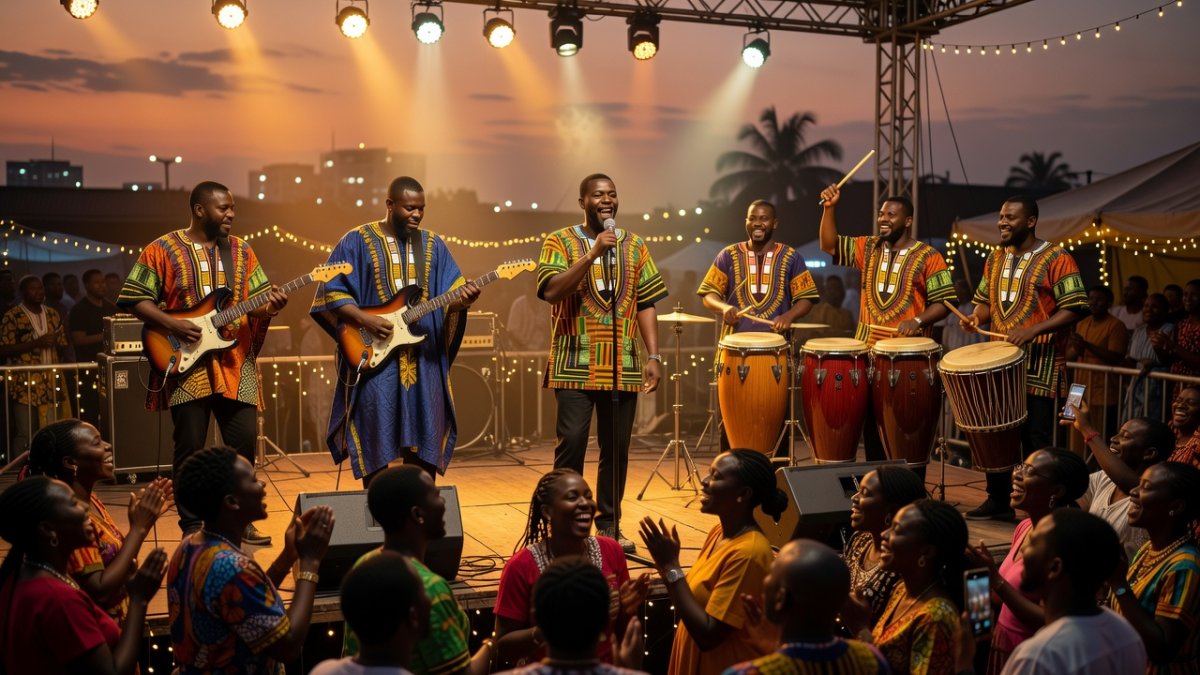
By the 1990s, Taylor's catalog attracted attention from European reissue labels, leading to vinyl pressings that reached collectors in London and Paris. Tracks from "Love and Death" appeared in DJ sets at African music nights in Johannesburg townships. The albums established Taylor as a bridge between classic highlife and modern fusions still heard at events like the Accra Jazz Festival.
Taylor continued releasing material into the 2000s, including compilations that documented his Accra studio work from the 1970s. These efforts preserved highlife history while inspiring contemporary Ghanaian producers working in neighborhoods like Labone. His recordings remain archived at the University of Ghana music department, serving as teaching tools for students analyzing African popular music evolution.
The global reach of these albums grew through digital platforms in the 2010s, with "Appia Kwabenya" tracks sampled by producers referencing Accra's golden era. Taylor's guitar tone, developed through years of Accra performances, became a recognizable element in Afrobeat revival projects across West Africa. His body of work continues to define highlife's contribution to broader African musical innovation.
Tributes from Across the Continent and Diaspora
Following Ebo Taylor's death in February 2026, Juls released the "Uncle Ebo" tribute project in March 2026, featuring reinterpreted highlife tracks recorded in Accra studios with contributions from Ghanaian and UK-based artists. The project highlighted Taylor's influence on contemporary producers, with proceeds supporting music education programs in Greater Accra. Juls cited Taylor's London-era fusion as a direct inspiration during promotional events at Accra's Alliance Française.
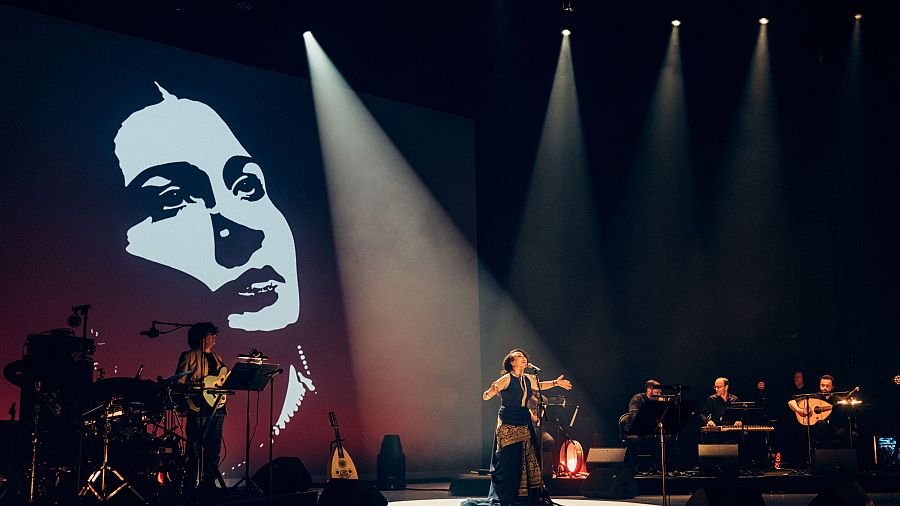
The EMBO 2026 tribute concert took place at Soweto Theatre in Johannesburg in June 2026, where South African and Ghanaian musicians performed Taylor's compositions for audiences including members of the African creative community. Organizers drew parallels between highlife and South African jazz traditions, with sets referencing Taylor's work alongside Fela Kuti's Afrobeat legacy. The event was covered in local media as a pan-African celebration of guitar-driven sounds.
In London, the band Kokoroko delivered multiple covers of Taylor's material during 2026 residencies at venues like the Jazz Cafe in Camden, drawing crowds familiar with his sampled grooves. These performances connected Taylor's Accra roots to the city's African diaspora scene, where musicians from Nigeria and Ghana regularly gather. Kokoroko members noted Taylor's arrangements as foundational during interviews with British music outlets.
Africanews produced a video report on Taylor's passing and subsequent tributes, broadcast and featuring footage from Accra memorial gatherings at the National Theatre. The report included statements from musicians who performed with Taylor in the 1970s, emphasizing his role in shaping global African music. It reached viewers across the continent, sparking discussions on highlife preservation in countries from Senegal to Kenya.
Additional memorials occurred at festivals in Accra and Tamale throughout 2026, where bands recreated Taylor's Uhuru Dance Band arrangements for new generations. International artists who sampled his work released statements acknowledging his foundational contributions to electronic and hip-hop productions. These tributes underscored Taylor's 60-plus-year career as a unifying force in African popular music history.
Community radio stations in Accra aired special programs dedicated to Taylor's catalog in the months after his passing, playing full albums like "Love and Death" for listeners in rural areas. The scale of these responses reflected Taylor's deep ties to Ghanaian cultural life while extending his reach through diaspora networks in Europe and North America.
A Senegalese Perspective on Highlife's Reach
From my vantage in Dakar, Ebo Taylor's highlife innovations mirror the rhythmic experiments that define Senegalese mbalax, particularly in how both genres blend traditional percussion with electric guitar energy at venues like the Grand Théâtre National. Taylor's London collaborations with Fela Kuti parallel exchanges between Senegalese artists and Nigerian musicians at the Dakar Music Festival, where highlife records occasionally appear in setlists alongside Youssou N'Dour classics. His story resonates here as an example of West African guitarists shaping continental sounds beyond national borders.
In Dakar neighborhoods like Médina, musicians reference Taylor's fusion techniques during rehearsals at cultural centers such as the Centre Culturel Blaise Senghor, where highlife albums from Accra influence local band arrangements. Taylor's emphasis on community performance echoes Senegal's sabar drumming circles that animate neighborhood celebrations. The tributes in Johannesburg and London find echoes in Dakar's own memorial concerts for African music elders, often held at the Institut Français.
Senegalese producers have drawn indirect inspiration from Taylor's sampled works, incorporating similar guitar textures into tracks played at Dakar nightclubs along the Corniche. His career spanning from the 1950s to 2026 parallels the evolution of Senegalese music from post-independence orchestras to global mbalax exports. Events honoring Taylor connect directly to conversations at the annual Kaay Fecc dance festival, where African popular music histories are discussed among practitioners from multiple countries.
Taylor's recordings reached Senegalese audiences through Radio Senegal broadcasts in the 1970s and 1980s, introducing highlife as a cousin to local sounds at social events in Saint-Louis and Ziguinchor. His production approach, developed in Accra studios, offers models for Dakar artists balancing traditional elements with modern production. The 2026 tributes, including the Africanews report, prompted renewed interest in Taylor's catalog among Senegalese music students at the École des Arts.
Through a Senegalese lens, Taylor represents the shared creative networks that link Accra and Dakar, from guitar techniques to festival programming. His influence appears in contemporary Senegalese bands that cite highlife as part of their rhythmic vocabulary during performances at the Dakar Jazz Festival. This cross-border appreciation highlights how one musician's work in Ghana contributed to broader African musical dialogues still active today.
Local cultural organizations in Dakar have begun programming Taylor's compositions alongside Senegalese classics, fostering appreciation for highlife's role in regional identity. His legacy encourages younger Senegalese guitarists to explore fusions that honor both local traditions and international influences, much as Taylor did after his London years. These connections reinforce the continent-wide impact of Accra's highlife scene on places like Senegal.
What Ebo Taylor's Legacy Means Today
Ebo Taylor's six-decade career provides a model for African musicians navigating global influences while remaining grounded in local traditions, as seen in current Accra bands performing at the annual Homowo celebrations. His albums continue to serve as reference points for producers sampling highlife elements in contemporary tracks released through platforms popular in Johannesburg and London. The 2026 tributes demonstrate ongoing demand for his sound across creative communities from Soweto Theatre stages to Dakar cultural centers.
Today, Taylor's work supports music education initiatives in Ghana, with his arrangements studied at institutions connected to the University of Ghana. International artists who covered his material in London residencies carry forward his fusion approach, introducing highlife to new listeners unfamiliar with 1970s Accra recordings. This living legacy ensures highlife remains a vital thread in African popular music conversations.
Taylor's emphasis on bandleading and production offers lessons for emerging artists in West African cities, where economic challenges mirror those he navigated in post-independence Ghana. His collaborations across borders model the pan-African exchanges that define festivals like the one in Dakar. The scale of responses to his 2026 passing confirms his place among the architects of modern African sound.
Archival efforts around Taylor's catalog, supported by Ghanaian cultural bodies, preserve highlife history for future generations attending events in Accra and beyond. His story connects directly to current discussions on African music's global circulation, from sampled tracks in European clubs to live performances in South African theatres. These elements keep Taylor's contributions relevant in 2026 and onward.
What to Watch For
Upcoming projects building on Ebo Taylor's catalog include expanded reissues planned by European labels specializing in African music, with potential performances at Accra venues in late 2026. Kokoroko's London sets may expand into full tribute tours, bringing his compositions to additional diaspora audiences in cities with strong West African communities. The Juls "Uncle Ebo" project could inspire similar releases from producers in Dakar and Johannesburg.
Further tributes at African festivals, including possible nods during the Dakar Music Festival, will likely highlight Taylor's role in highlife's evolution. Educational programs in Ghana and Senegal may incorporate his recordings more prominently, fostering new generations of guitarists familiar with his Accra-London journey. Africanews and similar outlets are expected to produce follow-up reports on how his influence persists in global African music scenes.
Listeners can anticipate new covers and samples emerging from artists who discovered Taylor through the 2026 memorials, extending his reach into electronic and fusion genres. These developments promise to keep highlife's core elements alive while adapting them for contemporary stages across the continent and diaspora.
By Amara Diop, Staff WriterThis article was produced with AI-assisted research and editorial support. Reporting is based on sources cited in the article.
What's Your Reaction?
 Like
0
Like
0
 Dislike
0
Dislike
0
 Love
0
Love
0
 Funny
0
Funny
0
 Wow
0
Wow
0
 Sad
0
Sad
0
 Angry
0
Angry
0

West Africa/Sahel Correspondent at Global1.News. Dakar-based journalist covering politics, security, climate, and development across Francophone and Anglophone West Africa. Tells the stories of a region undergoing profound transformation.











Comments (0)