
Sheinbaum Rejects DEA Cartel Claims as US Labels Two More Mexican Cartels Terrorist Organizations
The DEA's "Deadly Connection" Allegation The DW News video titled "Mexico arrests drug cartel leader 'El Jardinero'" opens with footage of the April 2026 SEMAR operation in Nayarit that captured Audias Flores Silva. DEA Chief Terry Cole used that moment to claim a deadly connection between the
The DEA's "Deadly Connection" Allegation
The DW News video titled "Mexico arrests drug cartel leader 'El Jardinero'" opens with footage of the April 2026 SEMAR operation in Nayarit that captured Audias Flores Silva. DEA Chief Terry Cole used that moment to claim a deadly connection between the Mexican government and drug cartels during public statements this month.
Sheinbaum Rejects DEA Cartel Claims as US Labels Two More Mexican Cartels Terrorist Organizations
Mexico City, Mexico — In a week that has dramatically reshaped US-Mexico security relations, President Claudia Sheinbaum has forcefully rejected allegations of government-cartel connections while the United States escalated its pressure campaign by designating two more Mexican criminal organizations as Foreign Terrorist Organizations.
Cole specifically tied the claim to ongoing operations involving the Cartel Jalisco Nueva Generacion. He pointed to the February 2026 killing of CJNG leader El Mencho and the subsequent violence that spread across 20 Mexican states as evidence of coordination failures at high levels.
In a March 12 press conference at DEA headquarters in Arlington, Virginia, Chief Terry Cole stated that Mexican cartels maintain a "deadly connection" with Chinese fentanyl suppliers and corrupt officials, claiming this network fuels 70 percent of U.S. overdose deaths. Cole spoke during a joint briefing with Treasury officials, emphasizing real-time intelligence on precursor shipments through Pacific ports. His remarks came weeks after President Trump publicly threatened tariffs on Mexican goods unless Sheinbaum increased joint operations, heightening bilateral friction over sovereignty and enforcement priorities.
Cole's comments drew immediate pushback from Mexico's Security Cabinet, which released arrest data showing over 4,200 cartel-linked detentions in the prior quarter. The exchange unfolded against renewed U.S. pressure under the Trump administration to treat cartels as national security threats rather than law-enforcement matters. Mexican diplomats noted that such public accusations undermine ongoing cooperation on extraditions and intelligence sharing, particularly as Sheinbaum prepares for upcoming bilateral talks in Washington.
Sheinbaum Administration's Rejection
President Claudia Sheinbaum rejected the allegations during her July 15, 2026 morning press conference at Palacio Nacional. She stated that Mexican security forces operate independently and that Cole's comments lacked evidence.
The Security Cabinet under SSPC issued a formal rebuttal the same day. Officials cited the arrest of 4,872 individuals linked to organized crime in the first half of 2026 and a 17 percent drop in homicides compared with the same period in 2025.
Sheinbaum emphasized that SEDENA and SEMAR continue joint operations without external direction. She noted that FGR prosecutions have increased by 22 percent since she took office.
US Escalates: New Terrorist Designations for Mexican Cartels
On July 16, 2026 the United States added the Juarez Cartel and Los Viagras of Michoacan to its Foreign Terrorist Organization list. These groups joined six other Mexican cartels already designated earlier.
The move expands financial sanctions and travel restrictions on individuals associated with the two organizations. US officials said the designations allow greater intelligence sharing with partners including the DEA.
Mexico's SRE responded by affirming that sovereignty over security policy remains with the Mexican state. Officials in Palacio Nacional stated that the designations will not alter ongoing bilateral cooperation through the SSPC.
The Juarez Cartel maintains tight control over four major crossings into El Paso, including the Bridge of the Americas and Zaragoza port of entry, where it collects fees on every commercial truck and migrant crossing. This dominance allows the group to move both fentanyl and migrants while taxing legitimate trade, directly affecting daily commerce valued at $3 billion annually. The FTO designation now permits U.S. banks to freeze assets linked to these routes and authorizes broader surveillance of financial flows through maquiladora payroll systems.
Los Viagras in Michoacan operate a parallel telecommunications network using encrypted radio repeaters across the Tierra Caliente region, enabling real-time coordination of extortion rackets and avocado export checkpoints. The FTO label grants U.S. prosecutors authority to charge anyone providing material support, including local businesses forced to pay protection. Six other Mexican groups—the Sinaloa Cartel, CJNG, Gulf Cartel, Zetas, Familia Michoacana, and Beltran-Leyva Organization—already carry the designation, which has previously blocked their access to international banking and restricted travel for suspected associates.
The Fall of El Jardinero: CJNG Leadership Decapitated
SEMAR special forces arrested Audias Flores Silva, known as El Jardinero, in Nayarit in April 2026 after 19 months of surveillance. The operation targeted a key CJNG commander responsible for logistics in western Mexico.
Flores Silva oversaw routes moving precursor chemicals from Pacific ports into Jalisco laboratories. His capture removed a figure who had coordinated with cells in Michoacan and Nayarit for more than five years.
The video shows tactical teams securing the site near the Nayarit-Jalisco border. Authorities recovered encrypted communications linking the commander to payments made to local officials in three municipalities.
SEMAR naval intelligence tracked Audias Flores, known as El Jardinero, through 19 months of phone intercepts and drone surveillance that mapped his movements between safe houses in Nayarit and Jalisco. Agents located him in a hillside compound near Tepic after tracing a single encrypted call to a known lieutenant. The $5 million U.S. bounty had drawn multiple tipsters, but SEMAR acted on its own signals intelligence to avoid leaks during the final raid.
Marines found Flores hiding in a reinforced basement accessed through a false floor in a storage shed, where he had remained for nine days without outside contact. A federal judge in Mexico City later blocked his extradition to the United States, citing pending domestic charges and concerns over fair-trial guarantees. The ruling keeps Flores in a maximum-security facility in Sonora while U.S. prosecutors continue to press for transfer under the existing indictment.
The Cartel Landscape After El Mencho's Death
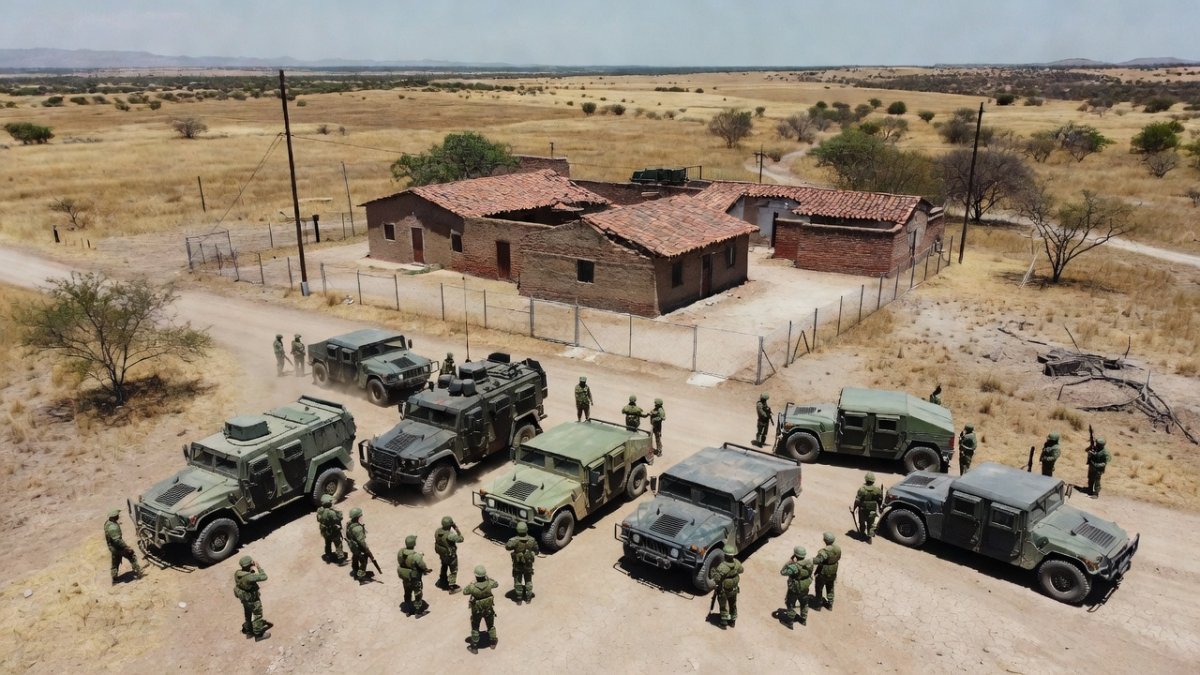
El Mencho was killed in February 2026 during a confrontation in Jalisco. His death triggered a wave of violence that affected 20 states including Michoacan, Guanajuato, and Tamaulipas.
CJNG factions splintered into at least four competing groups within weeks. Rival organizations including the Sinaloa Cartel expanded into former CJNG plazas in Nayarit and parts of Jalisco.
SSPC data show that 1,243 homicides occurred in the three months following El Mencho's death. The majority took place in urban centers of Jalisco and Michoacan.
Impact on Mexican Communities
Families in Jalisco report that schools in Guadalajara closed for five days in March 2026 after cartel roadblocks appeared on major highways. Parents in Zapopan organized neighborhood watches to protect children walking to classes.
In Nayarit, fishing communities near the site of El Jardinero's arrest lost income when ports restricted access for two weeks. Local markets in Tepic saw reduced sales of seafood as buyers stayed away.
Residents of Ciudad Juarez described increased checkpoints by the Guardia Nacional after the Juarez Cartel received the terrorist designation. Mothers in the city's eastern colonias now accompany teenagers to afternoon jobs to avoid recruitment attempts.
In Michoacan, avocado growers near Uruapan faced extortion demands that rose 30 percent after Los Viagras expanded operations. Several families sold orchards at reduced prices and relocated to Morelia.
Following El Jardinero's arrest, Nayarit communities near the Sierra Madre saw renewed checkpoints and sporadic shootings as rival factions tested control of local methamphetamine labs. Families in Tepic reported school closures and reduced bus service for weeks, while farmers lost access to markets when roads remained blocked. In Ciudad Juarez, the FTO designation slowed cross-border produce shipments by an average of 18 hours as customs agents increased inspections on trucks linked to suspected cartel suppliers.
Mexican businesses in Guadalajara and Michoacan colonias now face stricter U.S. banking scrutiny on remittances, with some accounts frozen pending review of client addresses near known cartel territories. Community assemblies in these neighborhoods have organized petitions asking state authorities for clearer guidelines on how the designations affect everyday commerce and family transfers from relatives working north of the border.
Mexico-US Tensions Over Security Strategy
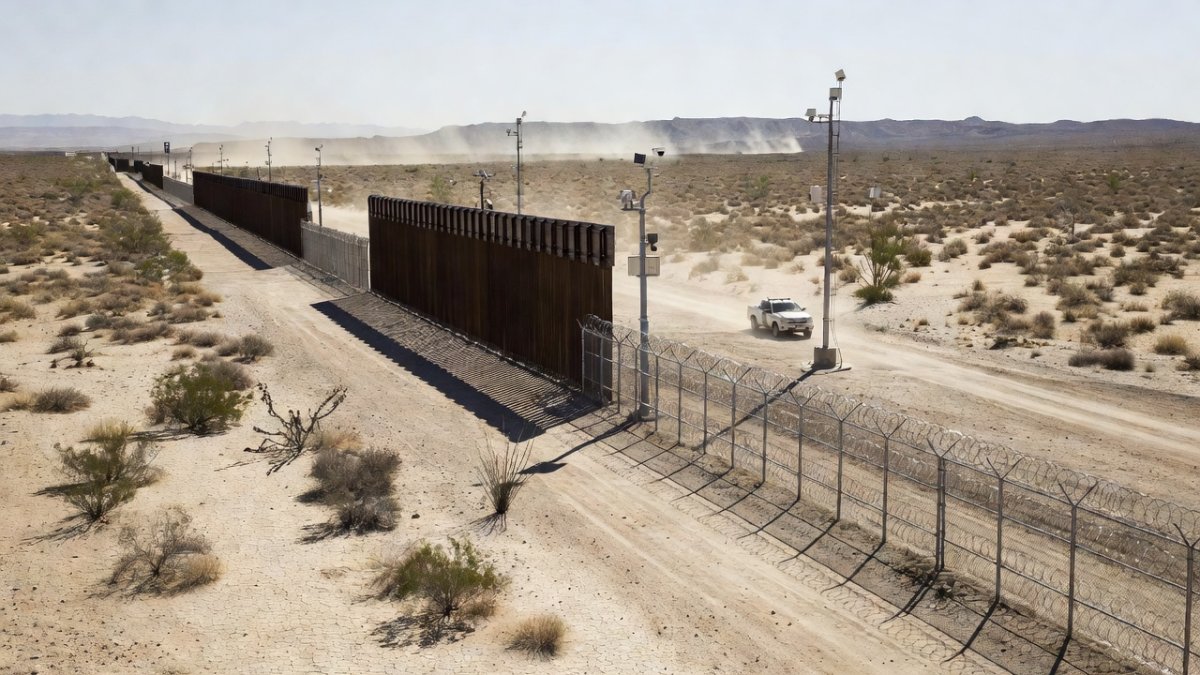
Sheinbaum's administration maintains that Mexican forces have achieved measurable results without US operational control. SSPC reports highlight the April 2026 arrest in Nayarit and the February 2026 operation that ended El Mencho's leadership.
US officials continue to press for deeper intelligence integration. The new terrorist designations increase pressure on Mexican banks to monitor accounts linked to the Juarez Cartel and Los Viagras.
Diplomats from SRE met with US counterparts in recent days to discuss implementation. Both sides agreed to maintain existing channels through the DEA and SEMAR while avoiding public escalation.
What to Watch For
Observers will monitor whether the terrorist designations lead to additional arrests of financial operators in Mexico City and Monterrey. SSPC has scheduled a public report on homicide trends for late July 2026.
Further leadership changes inside CJNG could produce new waves of violence in Jalisco and Nayarit. Families in border cities such as Ciudad Juarez continue to track daily security updates from the Guardia Nacional.
Sheinbaum's next mananera at Palacio Nacional is expected to address any additional US statements. Mexican officials have stated they will continue publishing arrest statistics to counter external narratives.
The 2027 midterm elections could hinge on Sheinbaum's ability to demonstrate that her security strategy produces measurable reductions in violence without yielding to U.S. demands for operational control inside Mexico. Polls already show growing concern among voters in border states over potential spillover from FTO-related enforcement actions. Any perception that her government is conceding sovereignty risks strengthening opposition parties in key districts.
USMCA renegotiation talks scheduled for late 2026 now carry an added security dimension, with U.S. negotiators likely to link tariff relief to expanded cartel designations and joint task forces. The FTO status also opens legal pathways for limited U.S. military activity on Mexican soil if future administrations cite imminent threats, a scenario Sheinbaum has repeatedly rejected in public statements while reinforcing her domestic standing through visible arrests and community investment programs.
By Rosa Martinez, Staff WriterThis article was produced with AI-assisted research and editorial support. Reporting is based on sources cited in the article.
What's Your Reaction?
 Like
0
Like
0
 Dislike
0
Dislike
0
 Love
0
Love
0
 Funny
0
Funny
0
 Wow
0
Wow
0
 Sad
0
Sad
0
 Angry
0
Angry
0
Latin America/Andes Correspondent at Global1.News. Based in Bogota, covering politics, environment, energy, and social movements across the Andean region. Passionate about environmental journalism and communities protecting their land.











Comments (0)