
Dominion vs Fox News: Historic Defamation Trial Underway
The Courtroom Doors Open in Wilmington The trial opened with the summoning of 300 potential jurors in Wilmington, Delaware, a process that underscored the high stakes and public interest in the case. Courtroom 7E became the focal point as attorneys from both sides began the meticulous task of selecting a panel capable of weighing complex evidence over several weeks. The atmosph
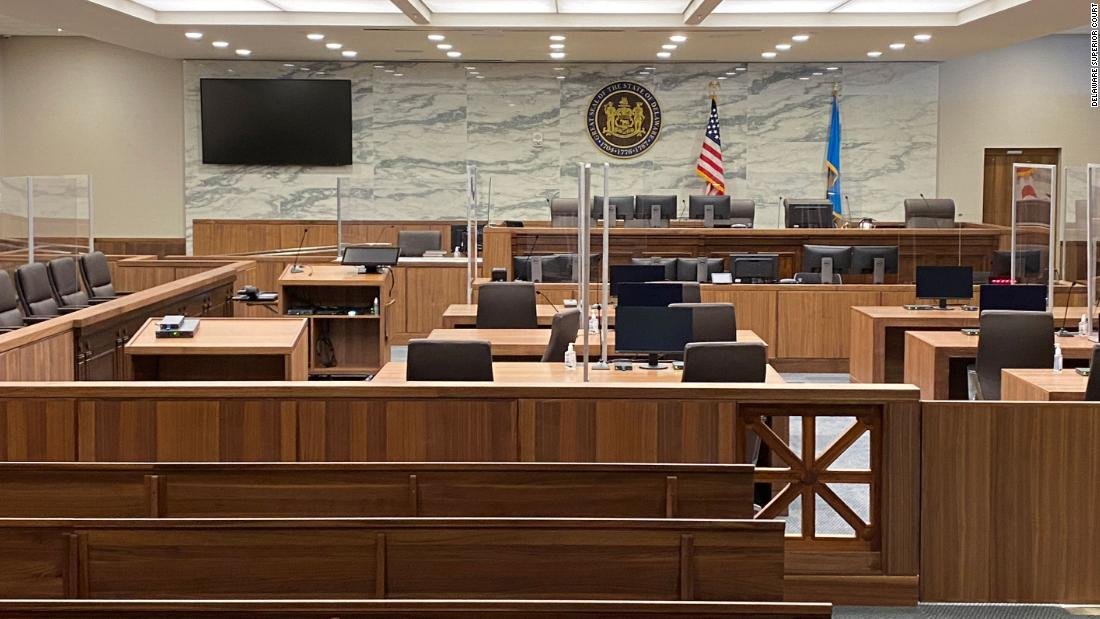
The Courtroom Doors Open in Wilmington
The trial opened with the summoning of 300 potential jurors in Wilmington, Delaware, a process that underscored the high stakes and public interest in the case. Courtroom 7E became the focal point as attorneys from both sides began the meticulous task of selecting a panel capable of weighing complex evidence over several weeks. The atmosphere was charged yet orderly, with security measures reflecting the intense scrutiny from media outlets and legal observers nationwide.
Dominion Voting Systems brought a $1.6 billion defamation claim against Fox News, alleging that the network broadcast false statements about the company's voting machines after the 2020 election. This figure represents not only alleged financial losses but also the broader damage to the company's reputation and business operations across multiple states. The claim has drawn attention because it tests the boundaries of what media organizations can say about election integrity without facing substantial liability.
What remains at stake extends far beyond monetary damages. A verdict could influence how news networks handle unverified claims during future elections and set precedents for corporate accountability in broadcasting. Observers note that the outcome may affect public trust in both media and electoral systems, particularly as the trial unfolds in a state known for its corporate-friendly legal environment.
Jury selection proceeded with careful questioning about exposure to prior coverage of the 2020 election disputes. Potential jurors were screened for biases related to voting technology and cable news consumption. This phase highlighted the challenge of finding impartial decision-makers in a case saturated with national attention and partisan narratives.
Meet the Key Players Facing Judgment
Rupert Murdoch, the media mogul behind Fox Corporation, faces indirect but significant exposure as the ultimate decision-maker at the network. His leadership role means internal communications and strategic choices during the post-election period could come under examination. Murdoch has long shaped the direction of Fox's programming, balancing commercial interests with editorial content.
Suzanne Scott serves as chief executive officer of Fox News and has overseen day-to-day operations during the period in question. Her involvement includes managing the tension between maintaining audience loyalty and ensuring factual accuracy in reporting. Scott's testimony or internal directives may illuminate how the network responded to external pressures following the election results.
Tucker Carlson, a prominent prime-time host, played a central role in amplifying claims about Dominion's equipment. His on-air commentary reached millions and contributed to the narrative that the machines were compromised. Carlson now confronts questions about whether his statements aligned with available evidence or were driven by other considerations.
Sean Hannity, another leading Fox personality, similarly broadcast assertions regarding voting irregularities tied to Dominion. His long-standing presence on the network gave those claims substantial reach. Hannity's position requires him to address how his reporting intersected with legal standards for defamation when discussing private companies involved in elections.
How We Got Here: The 2020 Election Aftermath
Following the 2020 presidential election, Fox News aired multiple segments questioning the reliability of Dominion Voting Systems machines. These broadcasts included suggestions that the equipment had been manipulated to alter vote counts in key states. Dominion maintained that its systems underwent rigorous testing and certification processes prior to use.
The repeated claims of widespread fraud involving Dominion were subsequently examined by courts, election officials, and independent reviews. Multiple recounts and audits in contested jurisdictions found no evidence supporting the allegations of machine-based tampering. Dominion responded by filing suit, arguing that the continued airing of these assertions caused direct harm to its contracts and standing.
Internal network decisions to continue featuring these topics occurred even as public statements from state election authorities contradicted the fraud narrative. Dominion's technology had been deployed in numerous jurisdictions without prior widespread complaints of systemic failure. The aftermath revealed how quickly unverified theories can gain traction when amplified by major media platforms.
The progression from initial skepticism to sustained on-air focus created a feedback loop that Dominion claims damaged its business prospects. Company representatives have documented lost opportunities and increased security costs stemming from the publicity. This sequence of events forms the factual backbone of the defamation allegations now before the Delaware court.
The Legal Mountain Fox Must Climb
Fox News attempted multiple times to have the case dismissed before trial, arguing that the statements constituted protected opinion or lacked the required element of actual malice. Those efforts were rejected by the presiding judge, who expressed frustration with the pace and completeness of the defense's disclosures. The rulings left the network to confront the full evidentiary record in open court.
The actual malice standard, established in prior Supreme Court precedent, requires Dominion to demonstrate that Fox either knew the claims were false or acted with reckless disregard for their truth. This high bar protects robust public debate but also allows plaintiffs to prevail when internal documents suggest awareness of inaccuracies. The judge's impatience signaled that procedural shortcuts would not be tolerated.
Defamation law in this context balances First Amendment protections against the right of private companies to seek redress for reputational injury. Fox's legal team must now navigate discovery materials that include communications among executives and hosts. Success depends on convincing the jury that any errors were not made with the requisite culpable state of mind.
The Delaware venue adds another layer, as the state's courts have handled complex corporate disputes efficiently in the past. Yet the public nature of this trial means every ruling carries broader visibility. Fox must therefore present a defense that satisfies both legal requirements and the court of public opinion simultaneously.
Why This Case Is Different From Every Other Fox Controversy
Fox News has weathered previous controversies involving on-air personalities and editorial choices without facing existential financial risk. Those episodes often resolved through settlements, personnel changes, or shifts in programming emphasis. The current litigation differs because it centers on verifiable statements about a specific company's product rather than generalized commentary.
A courtroom setting imposes stricter evidentiary rules than cable news segments or public statements. Witnesses face cross-examination under oath, and documents must be authenticated. This environment strips away the protective framing that sometimes shields media outlets from accountability for repeated assertions later shown to be unfounded.
The "No Spin Zone" branding once promoted by the network emphasized straightforward presentation of facts. In a defamation trial, that standard becomes testable against internal records showing whether spin occurred despite private doubts. The contrast between public presentation and private communication may prove decisive for jurors.
Truth versus propaganda takes on concrete meaning when a jury must decide whether statements were made with knowledge of falsity. Unlike regulatory complaints or advertiser pullouts, a verdict here carries the force of law and potential precedent. This distinction elevates the case beyond routine media disputes.
What Discovery Revealed: Smoking Guns and Internal Panic
Discovery in the case produced internal texts and emails in which Fox hosts and executives expressed private skepticism about the fraud claims they later broadcast. These communications revealed concerns that certain allegations lacked supporting evidence yet continued to receive airtime. The gap between on-air certainty and behind-the-scenes doubt forms a core element of Dominion's argument.
Hosts privately questioned the reliability of sources promoting the Dominion narrative while maintaining a different tone during live segments. Ratings considerations appear in several exchanges, suggesting commercial pressures influenced content decisions. Such material allows Dominion to argue that the network prioritized audience retention over factual verification.
The tension between maintaining high viewership and adhering to journalistic standards surfaced repeatedly in the documents. Executives discussed the risk of alienating core viewers by walking back earlier claims. This dynamic illustrates how competitive media environments can complicate adherence to accuracy requirements.
Internal panic manifested in efforts to manage the fallout from the contested election coverage. Emails show attempts to balance legal exposure with the desire to keep certain storylines alive. Dominion contends these records demonstrate the network understood the potential falsity of its reporting yet proceeded anyway.
The $1.6 Billion Question: What Dominion Has to Prove
Dominion must establish both that the statements were false and that they caused measurable reputational and financial harm. The $1.6 billion figure encompasses lost contracts, increased operational costs, and diminished market position following the broadcasts. Quantifying these damages requires detailed evidence of business impact across multiple jurisdictions.
The burden of proof rests on Dominion to show actual malice by clear and convincing evidence. This standard demands more than negligence; it requires proof that Fox acted with awareness or reckless indifference to the truth. Success hinges on linking internal communications to the decision to air specific allegations.
If Dominion prevails, the network could face a substantial payout that affects its financial structure and prompts policy changes across the industry. A loss for Dominion would reinforce strong protections for media commentary on matters of public concern. Either outcome will influence how future plaintiffs approach similar claims against large broadcasters.
The practical implications include potential adjustments to insurance coverage and editorial review processes at news organizations. Dominion's victory might encourage other companies targeted during heated political periods to pursue litigation. A defense win could discourage such suits by reaffirming the difficulty of meeting the actual malice threshold.
The Bottom Line for Media Accountability
This trial carries implications for journalism that extend beyond Fox News. It tests whether internal doubts documented in real time can override public assertions when evaluated under defamation standards. Media outlets may respond by tightening verification protocols for election-related content.
The case could reshape aspects of media law by clarifying how courts apply the actual malice standard to modern cable news practices. Precedent from the verdict may guide future disputes involving private companies mentioned in political coverage. Viewers, meanwhile, gain insight into the decision-making processes behind the programming they consume.
Ultimately, the proceedings highlight the ongoing negotiation between press freedom and accountability for demonstrably false statements. Regardless of the result, the trial serves as a reminder that legal scrutiny can reach even the most established media institutions when the stakes involve election infrastructure and corporate reputation.
By Jessica Ali, Staff WriterThis article was produced with AI-assisted research and editorial support. Reporting is based on sources cited in the article.
What's Your Reaction?
 Like
0
Like
0
 Dislike
0
Dislike
0
 Love
0
Love
0
 Funny
0
Funny
0
 Wow
0
Wow
0
 Sad
0
Sad
0
 Angry
0
Angry
0

Editor-in-Chief at Global1.News. Atlanta-based journalist who cuts through the BS and tells it like it is. Lead anchor, host, and the voice you hear when the spin stops and the truth starts.















Comments (0)