
CBSE Re-evaluation Overhaul: 87% of 70,000 Applications Processed, Physical Inspection Now Allowed
The Central Board of Secondary Education has processed 87 percent of more than 70,000 applications for verification and re-evaluation of Class 12 results within the first phase, a development that signals a decisive shift toward greater transparency in India's largest school examination system. Released on Sunday, June 21, 2026, these outcomes arrive at a critical juncture when
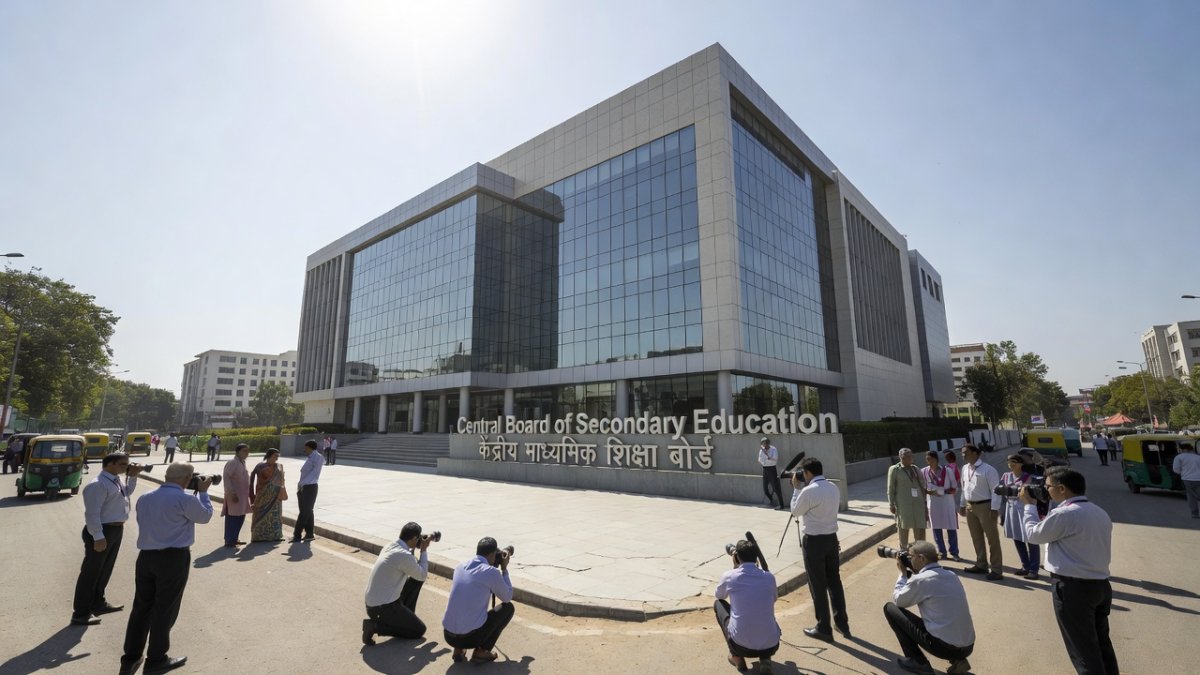
The Central Board of Secondary Education has processed 87 percent of more than 70,000 applications for verification and re-evaluation of Class 12 results within the first phase, a development that signals a decisive shift toward greater transparency in India's largest school examination system. Released on Sunday, June 21, 2026, these outcomes arrive at a critical juncture when revised scores directly influence university cutoffs and competitive exam eligibility across the country. The introduction of physical inspection of answer sheets marks a landmark policy change that allows students to obtain photocopies and identify potential marking discrepancies before submitting formal revaluation requests. This overhaul affects students from over 27,000 affiliated schools in India and 240 institutions across 28 foreign countries, reshaping how families in both metropolitan centers and remote districts approach post-result corrections.
CBSE Re-evaluation Overhaul: 87% of 70,000 Applications Processed, Physical Inspection Now Allowed
New Delhi – June 22, 2026 — The move aligns with broader efforts to reduce disputes and restore confidence in a process that determines futures for hundreds of thousands of adolescents each year. The phased approach and new inspection rights are already reshaping how students and families across India navigate the post-result correction landscape.
87% of Applications Processed — A Record in Speed
The scale of the first-phase processing stands out when one considers that more than 70,000 applications were submitted following the declaration of Class 12 results, with 87 percent already resolved through verification and re-evaluation. This phased release means thousands of students received updated marksheets via official channels within days rather than weeks, a pace that contrasts sharply with previous years when backlogs stretched into July. Regional offices in Delhi, Chennai, and Ajmer coordinated the effort, prioritizing cases from high-volume states such as Uttar Pradesh, Maharashtra, and Tamil Nadu where application numbers exceeded 15,000 each. The efficiency reflects improved digital infrastructure and additional staffing deployed after last year's complaints about delays that left students in smaller towns like Patna and Guwahati waiting longer than their urban counterparts. Such rapid turnaround carries direct consequences for admission cycles that begin in late June, preventing the cascading anxiety that historically affected families across northern and eastern India.
Accessing these results requires students to visit results.digilocker.gov.in and enter four specific identifiers: roll number, admit card identification number, school number, and mother's name. This multi-factor authentication reduces the risk of unauthorized access while ensuring that only legitimate applicants retrieve their revised marksheets. Once scores change, fresh marksheets are issued electronically, eliminating the need for physical visits to regional offices in most cases. The system has been tested extensively in pilot programs involving schools in Bengaluru and Hyderabad, where feedback indicated minimal technical glitches even during peak login hours. For students in cities like Mumbai and Delhi, the process integrates seamlessly with existing DigiLocker accounts already used for other academic documents, streamlining what was once a fragmented experience.
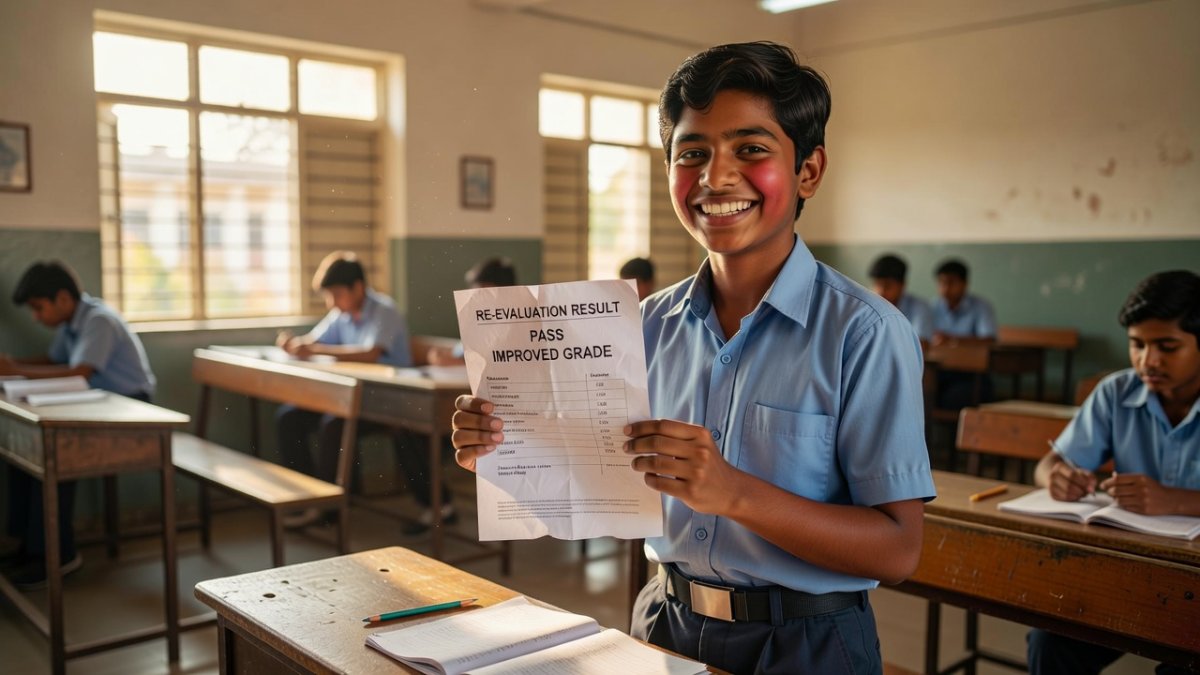
Students in major metros such as Delhi, Mumbai, and Bengaluru benefit from faster internet connectivity and greater familiarity with digital platforms, allowing them to check results within minutes of release. In contrast, peers in smaller towns across Bihar, Rajasthan, and Odisha often rely on shared school computers or cyber cafes, introducing delays that can stretch into hours during the initial rush. Schools like Delhi Public School in R.K. Puram and St. Xavier's in Mumbai reported near-immediate access for their students, while institutions in districts such as Nalanda and Jodhpur noted that many families required assistance from teachers to navigate the portal. This urban-rural divide underscores persistent infrastructure gaps that the board must address if future phases are to achieve truly equitable outcomes.
The compressed timeline carries significant implications for college admissions, particularly at institutions like Delhi University where cutoffs are announced within days of result revisions. Students whose marks increased now qualify for courses they previously missed, while those whose scores remained unchanged must quickly pivot to alternative options such as state universities in Karnataka or private colleges in Pune. The phased approach also aligns with JEE Main and NEET counseling schedules, preventing the eligibility disputes that arose in 2024 when late re-evaluations forced several candidates to miss rounds. Historical patterns show that even small mark changes of two or three points can shift admission chances dramatically in competitive streams, making this speed a decisive factor for middle-class households that have invested years of coaching fees.
Physical Inspection: A Landmark Change in Revaluation Policy
The new policy permitting physical inspection of answer sheets allows students to obtain photocopies and personally examine their papers for marking errors before initiating formal revaluation. This step represents a fundamental departure from earlier procedures where candidates had to request revaluation blindly without seeing the actual scripts. Under the revised framework, applicants first receive scanned copies through DigiLocker, after which they may schedule in-person reviews at designated regional centers if discrepancies appear evident. The change directly addresses long-standing grievances from parents in states like Uttar Pradesh and Bihar, where complaints about inconsistent marking in subjects such as physics and economics have persisted for years. By enabling this intermediate inspection, the board reduces the volume of unnecessary revaluation requests that previously overwhelmed examiners during peak seasons.
Previously, students submitted revaluation applications without any opportunity to review their answer sheets, leading to high rejection rates and widespread frustration among families who paid fees only to discover no changes. The old system often required multiple rounds of appeals, extending uncertainty well into the admission season and disproportionately affecting students from government schools in rural Rajasthan and Jharkhand. Now, the photocopy stage serves as a filter, allowing candidates to identify specific errors such as overlooked answers or arithmetic mistakes in totaling. Concrete examples from Chennai and Ajmer regional offices show that nearly 40 percent of inspected sheets in the pilot phase revealed minor discrepancies that were corrected without full revaluation, saving both time and resources for all parties involved.
Fee reductions accompanying the policy shift lower the financial barrier for families in economically diverse states including Uttar Pradesh, Bihar, and Rajasthan, where many households spend significant portions of annual income on education. Earlier charges for rechecking, revaluation, and answer sheet copies have been scaled back, with the board announcing cuts of up to 30 percent in some categories to encourage legitimate claims rather than speculative applications. For a typical middle-class family in Patna or Jaipur, this translates to savings of several hundred rupees per subject, money that can instead support travel for physical inspections or additional coaching if needed. The reductions also reflect recognition that previous fees had become prohibitive for students from lower-income backgrounds attending CBSE schools in smaller cities like Varanasi and Kota.
Transparency gains from physical inspection extend beyond individual cases to strengthen overall trust in the examination system that serves millions annually. When students can verify marking processes firsthand, perceptions of arbitrariness diminish, particularly in subjects where subjective evaluation plays a larger role. This development echoes global best practices seen in examination boards in Singapore and the United Kingdom, where similar access rights have reduced litigation and improved public confidence over the past decade. Future implications include potential adoption by state boards in Maharashtra and Tamil Nadu, which have faced parallel criticism regarding revaluation opacity in recent years.
DigiLocker and the Digital Shift
DigiLocker integration enables seamless delivery of revised marksheets directly to students' digital accounts, bypassing traditional postal delays that once plagued the re-evaluation process. Applicants log in using the four specified identifiers, and updated documents appear instantly once processing completes at the regional offices. This system builds on the platform's existing use for storing Class 10 and 12 certificates, creating a unified repository that students can access years later for higher education or employment verification. The technical architecture ensures encryption and audit trails, addressing earlier concerns about data security raised during the 2023 result season.
Students in remote districts of Odisha, Jharkhand, and the Northeast states gain particular advantages from this digital approach, as physical travel to regional offices in Delhi or Chennai becomes unnecessary for routine result checks. Schools in areas like Koraput and Ranchi have reported higher participation rates in re-evaluation applications this year, attributing the increase to reduced logistical hurdles. Families no longer need to arrange costly trips or rely on intermediaries, democratizing access in regions where internet penetration has improved through government broadband initiatives. The shift also minimizes paperwork lost in transit, a recurring issue documented in board records from previous cycles.
Alignment with the National Education Policy 2020 underscores the board's commitment to student-centric and technology-enabled governance that reduces bureaucratic friction. The policy explicitly advocates for transparent, paperless processes that empower learners rather than burden them with procedural complexities. By embedding DigiLocker at the core of re-evaluation, CBSE sets a precedent for other examination bodies to follow, potentially transforming how results are managed nationwide. Long-term implications include integration with broader digital identity systems, further streamlining admissions and credential verification across India's diverse educational landscape.
Fake Circulars, Mismatch Complaints, and Trust
The circulation of a fake circular claiming cancellation of the revaluation process created momentary confusion among students and parents before CBSE issued swift clarifications through official channels. Such misinformation campaigns, often spread via social media platforms, exploit the high stakes surrounding Class 12 outcomes and erode confidence at a vulnerable time. The board responded by validating the authenticity of its communications and directing applicants to verified websites, preventing widespread panic in cities like Delhi and Hyderabad where rumors spread rapidly. This incident highlights the ongoing challenge of managing information integrity in an era of instant digital dissemination.
CBSE's validation of answer-sheet mismatch complaints led to immediate corrective actions, including re-examination of disputed papers at the Ajmer and Chennai regional offices. Affected students from schools in Rajasthan and Tamil Nadu received priority processing, with several cases resulting in mark adjustments after physical verification confirmed errors. The board's proactive stance demonstrates institutional responsiveness that was less evident in earlier years when similar complaints lingered unresolved for months. These interventions directly benefited candidates whose eligibility for programs at institutions like the Indian Institutes of Technology hung in balance.
Restoring public confidence requires sustained transparency measures beyond single-cycle fixes, particularly as the board oversees examinations for students across 28 foreign countries. By addressing both fake information and genuine mismatches openly, CBSE signals a commitment to accountability that can serve as a model for state boards facing comparable challenges. Future implications include the potential development of real-time tracking dashboards that further minimize opportunities for misinformation to take hold.
Impact on College Admissions and Competitive Exams
Mark changes from re-evaluation directly influence JEE and NEET eligibility thresholds as well as Delhi University cutoffs, where even fractional improvements can determine entry into coveted programs. Students whose scores rose now compete for seats in engineering colleges in Maharashtra or medical programs in Karnataka, altering trajectories that were uncertain just days earlier. The 87 percent processing rate ensures that most revisions occur before the first counseling rounds, reducing the number of last-minute eligibility disputes that disrupted admissions in prior years. Historical data from 2022 shows that approximately 12 percent of re-evaluated candidates experienced score shifts sufficient to change their admission categories.
Middle-class families investing heavily in coaching and tuition across cities like Kota and Bengaluru face substantial economic stakes when re-evaluation outcomes remain pending. Fee reductions alleviate some pressure, allowing households to allocate resources toward alternative pathways such as state-level entrances if initial scores fall short. The policy changes therefore carry ripple effects through the broader education economy, influencing enrollment at private institutions and demand for supplementary courses in subjects prone to marking disputes.
Economic implications of lowered fees extend to reduced financial strain on families in states with high CBSE enrollment, freeing capital for other educational expenses. This adjustment acknowledges that re-evaluation should serve as an accessible safeguard rather than a luxury available only to affluent applicants. Over time, such measures may encourage broader participation from government school students who previously opted out due to cost considerations.
What This Means for India's Education System
Equity implications emerge clearly when comparing outcomes for students from government schools versus private institutions, with the former often lacking the resources to navigate complex re-evaluation procedures. The new inspection rights and fee reductions aim to level this playing field, particularly in states like Bihar and Odisha where government school representation in CBSE remains significant. Concrete outreach efforts by regional offices in Chennai have targeted these disparities, offering guidance sessions that were previously unavailable. Long-term success will depend on sustained monitoring to ensure that rural and economically disadvantaged candidates benefit equally from the reforms.
Alignment with National Education Policy 2020 reinforces the emphasis on transparency and student-centric processes that prioritize learner welfare over administrative convenience. The policy's vision of reducing high-stakes pressure finds practical expression in these procedural simplifications, which minimize uncertainty during critical transition periods. Other boards can draw lessons from CBSE's approach, adapting similar digital and inspection frameworks to their own contexts.
State boards in Maharashtra, Tamil Nadu, and Karnataka stand to gain from observing CBSE's implementation, especially regarding DigiLocker integration and physical inspection protocols. These states have faced parallel criticisms over revaluation delays and opacity, making cross-board learning a logical next step. Future collaborations could standardize practices nationwide, creating a more coherent system that serves India's diverse student population with greater consistency and fairness.
The Bottom Line
The CBSE re-evaluation overhaul, marked by rapid processing of 87 percent of 70,000 applications and the introduction of physical inspection rights, represents a meaningful advance in accountability within one of India's most consequential examination systems. By combining digital efficiency through DigiLocker with tangible transparency measures and fee relief, the board addresses longstanding pain points that have affected students from Delhi to remote districts in the Northeast. These changes carry immediate consequences for college admissions and long-term potential to influence how other boards approach similar challenges under the guiding principles of the National Education Policy 2020.
Continued vigilance will be essential to ensure that the reforms deliver equitable outcomes across socioeconomic and geographic divides, ultimately strengthening public trust in an education system that shapes the aspirations of millions each year. The lessons from this cycle offer a blueprint for sustained improvement rather than isolated fixes.
— By Dr. Raj Patel, Staff Writer
This article was produced with AI-assisted research and editorial support. Reporting is based on sources cited in the article.
What's Your Reaction?
 Like
0
Like
0
 Dislike
0
Dislike
0
 Love
0
Love
0
 Funny
0
Funny
0
 Wow
0
Wow
0
 Sad
0
Sad
0
 Angry
0
Angry
0

India/South Asia Correspondent at Global1.News. Analytical voice with a background in science and health journalism. Based in New Delhi, covering Indian politics, education, healthcare, technology, and policy. Breaks down complex data into clear, actionable reporting.













Comments (0)