
Dominion v. Fox News: The Reckoning That Exposed Media Deception
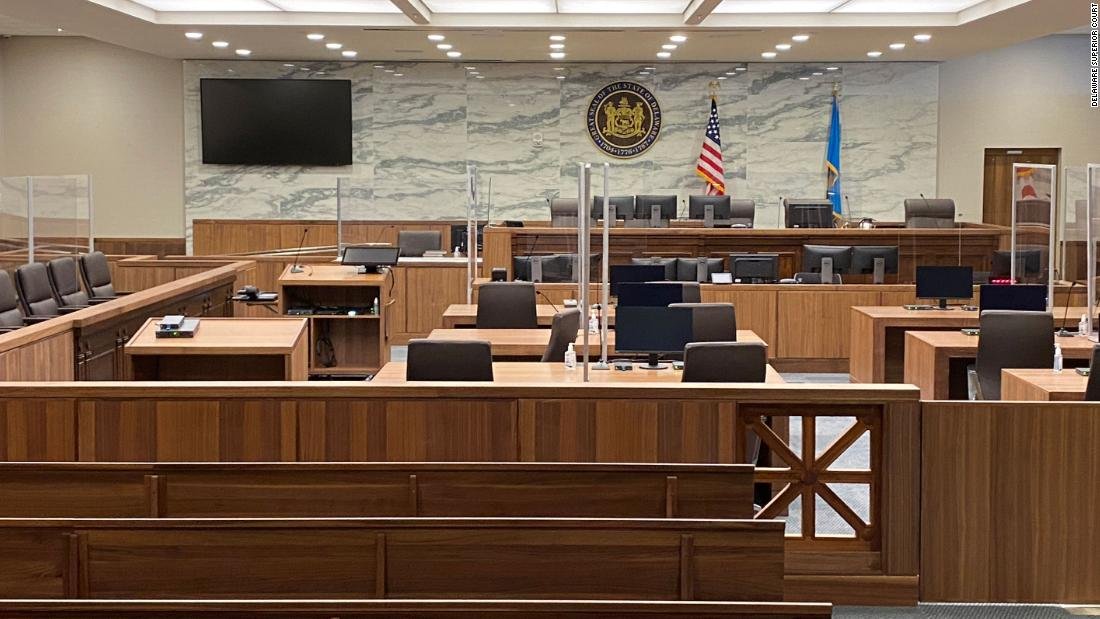
Dominion v. Fox News: The Reckoning That Exposed Media Deception The Dominion Voting Systems defamation case against Fox News stands as a defining moment in the history of American media accountability. In 2023 the lawsuit reached a critical juncture in Wilmington, Delaware, where jury selection drew 300 potential jurors to Courtroom 7E. The $1.6 billion claim centered on false
The $1.6 Billion Claim That Shook Murdoch's Empire
The lawsuit filed by Dominion Voting Systems sought $1.6 billion in damages for defamation tied directly to post-election broadcasts that questioned the integrity of voting machines. Those claims had aired across Fox programming in the weeks after the 2020 contest. The scale of the demand alone placed unprecedented pressure on the Murdoch organization and its leadership structure.
Evidence presented ahead of trial included communications involving Rupert Murdoch and Suzanne Scott that highlighted the network's internal handling of the story. Hosts such as Tucker Carlson and Sean Hannity featured prominently in the record as well. The case moved forward after earlier attempts to dismiss it failed, setting the stage for a full examination of editorial decisions.
Jury selection in Wilmington drew 300 potential jurors to Courtroom 7E, signaling the high level of public interest and the practical demands of seating an impartial panel. The presiding judge had already expressed frustration with defense arguments during pre-trial hearings. This atmosphere suggested the proceedings would not follow the network's preferred script of deflection.
The stakes extended beyond the dollar figure. A public trial risked placing decades of programming practices under sustained scrutiny in a venue where deception carried legal risk. Fox executives confronted the reality that their usual methods of managing controversy would not apply inside the courtroom.
What the Internal Documents Revealed
Internal emails and texts that emerged during discovery showed hosts privately expressing doubt about the election fraud claims they had aired. These communications stood in direct contrast to the content broadcast to millions of viewers. The gap between private assessment and public presentation formed the core of Dominion's argument.
Rupert Murdoch and Suzanne Scott appeared in portions of the record that addressed how the network managed the story internally. The documents illustrated decision-making processes at the highest levels. They also demonstrated awareness of the unsubstantiated nature of some claims even as those claims continued on air.
Tucker Carlson and Sean Hannity were referenced in exchanges that revealed their own reservations. The evidence undercut any suggestion that the false statements resulted from simple error or reliance on outside sources. Instead it pointed to deliberate choices made despite contrary information available within the organization.
Such disclosures stripped away the protective layer that had long shielded the network from accountability. They provided concrete proof that on-air narratives had diverged from internal knowledge. This body of material shaped expectations for what testimony under oath might have uncovered.
The Trial That Never Reached a Verdict
Jury selection concluded with sufficient candidates identified to begin proceedings on the scheduled Monday in Courtroom 7E. The judge had already signaled intolerance for delays or evasive tactics from the defense. Fox prepared to defend itself in an environment where facts could not be reshaped to fit a preferred narrative.
The network's standard approach of attacking external critics or refusing comment would have carried no weight under courtroom rules. Executives and hosts faced the requirement to answer questions directly. The contrast with typical programming practices highlighted why the case represented a genuine departure from past controversies.
Pre-trial rulings and the judge's expressed impatience indicated that the defense would encounter sustained pressure. The prospect of live testimony from key figures added further risk. Internal documents had already established a factual baseline that would have been difficult to reconcile with on-air statements.
Observers recognized that the trial would have tested whether the network could maintain its positions when held to evidentiary standards. The setting eliminated the ability to simply move past uncomfortable facts or redirect attention elsewhere. This framework made continuation of the case highly consequential for all parties involved.
What the $787.5 Million Settlement Meant
The case concluded with a $787.5 million settlement that avoided a full public trial and sworn testimony. Dominion received substantial compensation without the need to present its full case to a jury. Fox averted the prolonged exposure of additional internal communications and executive statements under oath.
The amount represented a significant financial consequence for the network. It also marked an acknowledgment that the broadcast claims had caused measurable harm. The settlement closed the matter without establishing a formal verdict, yet the record of internal doubts remained available for public review.
By resolving the dispute before trial, Fox prevented further scrutiny of how election-related content had been produced and aired. The outcome nevertheless demonstrated that large defamation claims could succeed when supported by clear evidence of knowing falsehoods. Media organizations took note of the precedent.
The resolution reinforced that private skepticism documented in emails and texts could not be ignored when weighed against public statements. It established a practical limit on the ability of news outlets to air unverified claims without consequence. The financial impact served as a tangible reminder of that boundary.
What It Means for Media Accountability Today
The Dominion case altered expectations around the consequences of broadcasting false information about election processes. It showed that internal records could be used effectively to demonstrate awareness of inaccuracies. Other outlets recognized the increased risk of similar litigation when evidence of private doubt exists.
The involvement of high-level figures such as Rupert Murdoch and Suzanne Scott illustrated that responsibility reaches the executive suite. Hosts including Tucker Carlson and Sean Hannity could no longer operate under the assumption that on-air statements would remain insulated from legal review. The case narrowed the space for plausible deniability.
Courtroom 7E in Wilmington became the site where standard media defenses faced direct challenge. The judge's pre-trial stance signaled that procedural maneuvers alone would not suffice. This environment forced a level of factual rigor that had been absent from much of the earlier coverage.
The outcome continues to influence how news organizations evaluate the balance between audience expectations and verifiable reporting. It demonstrated that sustained falsehoods carry financial and reputational costs when plaintiffs can access internal communications. The precedent remains relevant for ongoing questions of media responsibility.
The Bottom Line for News Consumers
Viewers who followed the case gained clearer insight into the gap that can exist between what networks broadcast and what their personnel privately believe. The internal documents provided concrete examples of that disconnect. Consumers now have additional reason to approach election-related claims with heightened scrutiny.
The settlement amount of $787.5 million underscored the value of accountability mechanisms that operate outside the media ecosystem itself. It showed that courts can compel disclosure of materials that on-air defenses typically avoid. This external check serves as a necessary counterweight to self-regulation.
News consumers benefit when organizations recognize that repeated false statements carry real exposure. The Dominion litigation made that risk tangible. It also highlighted the importance of preserving records that can later establish what decision-makers knew at the time.
The case ultimately calls on audiences to demand higher standards from the outlets they watch. When internal doubts surface against public narratives, the discrepancy should prompt questions rather than continued trust. Media accountability depends on viewers who refuse to accept unexamined claims. By Jessica Ali, Staff Writer
This article was produced with AI-assisted research and editorial support. Reporting is based on sources cited in the article.
What's Your Reaction?
 Like
0
Like
0
 Dislike
0
Dislike
0
 Love
0
Love
0
 Funny
0
Funny
0
 Wow
0
Wow
0
 Sad
0
Sad
0
 Angry
0
Angry
0

Editor-in-Chief at Global1.News. Atlanta-based journalist who cuts through the BS and tells it like it is. Lead anchor, host, and the voice you hear when the spin stops and the truth starts.















Comments (0)