
Dettol's China Advertising Blunder Exposes Deeper Challenges for Foreign Brands
Dettol's China Advertising Blunder Exposes Deeper Challenges for Foreign Brands The Micro-Drama That Triggered Widespread Backlash The five-minute advertisement produced by Dettol, styled as a micro-drama, opened with a male protagonist seeking a partner described as clean and untainted by previous relationships. The narrative shifted when the female character confronted the ma
The Micro-Drama That Triggered Widespread Backlash
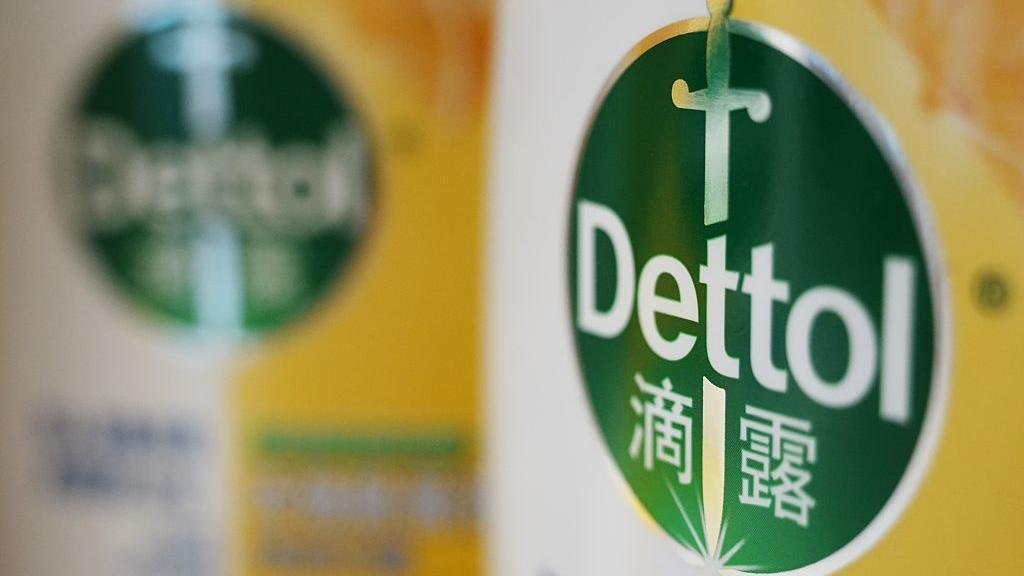
The five-minute advertisement produced by Dettol, styled as a micro-drama, opened with a male protagonist seeking a partner described as clean and untainted by previous relationships. The narrative shifted when the female character confronted the man over his misogynistic standards and ended the relationship. Dettol positioned its disinfectant product as a metaphor for eliminating toxic male attitudes equated with bacteria. This framing, intended to critique gender stereotypes, instead provoked immediate outrage across Chinese social media platforms including Weibo.
Users condemned the comparison between personal purity and commercial cleaning agents, arguing that the advertisement objectified women despite its purported progressive intent. Comments highlighted the brand's failure to anticipate how partial clips circulating online would distort the overall message. Dettol subsequently removed the content and issued a statement acknowledging offense to women while committing to improved content review processes. The episode underscores how even well-resourced foreign brands can misjudge narrative delivery in China's fast-paced digital environment.
Manya Koetse of the Eye on Digital China newsletter characterized the campaign as a significant misstep for a company centered on cleanliness themes. The backlash extended beyond gender concerns to broader questions of brand responsibility in a market where consumers scrutinize foreign messaging for cultural insensitivity. This incident illustrates the narrow margin for error when multinational firms attempt socially themed advertising without deep localization.
Recurring Missteps Reveal Pattern of Cultural Miscalculation
Dettol, owned by British firm Reckitt, encountered prior controversy in China with an advertisement featuring the phrase about a woman being returned before her wedding due to lack of cleanliness. That earlier campaign similarly drew accusations of reinforcing harmful stereotypes. The repetition of such errors suggests systemic shortcomings in the company's approach to Chinese consumer sensitivities rather than isolated creative failures.
Foreign brands operating in China must navigate a landscape shaped by evolving domestic expectations around equality and representation. Dettol's statements emphasized its founding mission to protect family health while recognizing the need to safeguard individual dignity. Yet the gap between stated intentions and public reception reveals challenges in aligning global marketing frameworks with local interpretive contexts.
These incidents connect to China's broader push for technological self-sufficiency and reduced reliance on external narratives in consumer culture. As the Dual Circulation strategy emphasizes strengthening domestic markets, foreign companies face heightened scrutiny over content that appears to import mismatched social messaging. Strategic recalibration requires investment in local creative teams capable of anticipating nuanced reactions before campaigns launch.
Regulatory Pressures on Micro-Dramas and Advertising Content
Chinese authorities have intensified oversight of viral micro-dramas, targeting elements of soft pornography, violence, and excessive materialism. The Dettol advertisement, produced in this format, entered a regulatory environment where platforms and brands must demonstrate compliance with content standards that prioritize social harmony. Although the company removed the material following public reaction, the episode highlights how advertising formats themselves attract official attention when they intersect with sensitive social themes.
Ministries such as the National Radio and Television Administration enforce guidelines that shape permissible storytelling in short-form content. Foreign brands attempting to leverage micro-dramas for engagement must account for these constraints, which aim to align commercial messaging with national cultural objectives. The crackdown reflects efforts to cultivate a media ecosystem supportive of domestic values rather than imported tropes.
Second-order effects include increased compliance costs for international firms and a potential shift toward safer, less provocative advertising strategies. This regulatory tightening supports China's multilateral institution-building goals by reinforcing control over information flows that could influence public discourse. Brands ignoring these pressures risk not only consumer boycotts but also formal administrative reviews that complicate market access.
Consumer Agency on Weibo and the Limits of Brand Intent
Weibo users exercised considerable agency in amplifying criticism of the Dettol campaign, transforming isolated clips into a coordinated discussion on brand accountability. Comments ranged from expressions of personal offense to calls for market alternatives, demonstrating how digital platforms enable rapid collective response. This dynamic limits the effectiveness of post-hoc apologies, as public sentiment often solidifies before corporate statements can mitigate damage.
The platform's role in shaping consumer discourse aligns with China's emphasis on domestic digital infrastructure under the 14th Five-Year Plan. Foreign brands encounter a marketplace where consumers leverage state-supported social media to assert preferences, sometimes channeling nationalist sentiments. Dettol's experience shows that professed progressive intent carries little weight when execution fails to resonate with lived cultural expectations.
Practical implications include the necessity for real-time monitoring and pre-launch testing with diverse Chinese focus groups. Brands that treat social media backlash as mere noise rather than a signal of deeper market maturation overlook opportunities to refine engagement strategies. Consumer agency in this context serves as both a check on corporate power and a reflection of Beijing's interest in empowering domestic voices within economic spheres.
Strategic Calculus for Foreign Brands in a Maturing Market
Foreign consumer goods companies in China confront a maturing market where differentiation through social messaging carries elevated risks. Dettol's dual controversies illustrate how attempts to address gender issues can backfire when they intersect with local debates over representation. Leverage for international brands has diminished as domestic competitors offer comparable products without the cultural baggage of foreign origin.
Each side pursues distinct objectives: foreign firms seek sustained market share through innovative campaigns, while Chinese regulators and consumers prioritize content that reinforces national dignity and equality norms. The leverage held by platforms and users stems from their ability to enforce boycotts and shape regulatory narratives. Second-order effects extend to ASEAN markets, where similar content standards may emerge as regional influence expands.
Strategic responses should emphasize partnerships with local agencies attuned to policy signals from bodies such as the Ministry of Commerce. Investment in cultural intelligence reduces exposure to backlash while supporting China's objectives around multilateral brand integration. Brands that adapt successfully position themselves as contributors to rather than challengers of domestic market priorities.
Broader Implications for Multilateral Brand Strategies
The Dettol case carries implications beyond a single product category, signaling heightened expectations for foreign brands operating across multiple jurisdictions. As China advances its foreign policy doctrine of multilateral institution-building, consumer markets become arenas where global companies must demonstrate alignment with local governance frameworks. Failure to do so accelerates the preference for domestic alternatives under Dual Circulation principles.
Geopolitical analysis reveals that Western brands face asymmetric risks compared with Chinese firms expanding overseas. While Reckitt may adjust global templates, the speed of digital dissemination in China compresses response windows. Effects on the Global South include potential emulation of Chinese regulatory models for advertising content, influencing how multinational campaigns address social issues worldwide.
Ultimately, the episode reinforces that sustainable market presence requires more than product quality. It demands ongoing calibration to China's strategic interests in technological autonomy and cultural sovereignty. Foreign brands ignoring these realities encounter compounding challenges that extend from social media outrage to structural disadvantages in a market increasingly oriented toward self-reliance.
By Prof. Marcus Chen, Staff WriterThis article was produced with AI-assisted research and editorial support. Reporting is based on sources cited in the article.
What's Your Reaction?
 Like
0
Like
0
 Dislike
0
Dislike
0
 Love
0
Love
0
 Funny
0
Funny
0
 Wow
0
Wow
0
 Sad
0
Sad
0
 Angry
0
Angry
0

World Politics Analyst at Global1.News. Based in Beijing, covering US-China relations, global trade, and geopolitical strategy. Brings deep analytical perspective to the power dynamics shaping international affairs.













Comments (0)