
Shakira and Burna Boy's 'Dai Dai' Becomes FIFA World Cup 2026 Anthem
Shakira and Burna Boy have done what few musical collaborations ever achieve — they have created a World Cup anthem that is as meaningful as it is energetic. "Dai Dai," the official song of the FIFA World Cup 2026, released in May this year, has already become a global sensation, blending Latin pop with Afrobeats in a way that feels both fresh and destined. But beyond its infec
Shakira and Burna Boy have done what few musical collaborations ever achieve — they have created a World Cup anthem that is as meaningful as it is energetic. "Dai Dai," the official song of the FIFA World Cup 2026, released in May this year, has already become a global sensation, blending Latin pop with Afrobeats in a way that feels both fresh and destined. But beyond its infectious rhythm and multilingual lyrics lies a deeper purpose: every stream and download of "Dai Dai" supports children's education around the world through the FIFA Global Citizen Education Fund.
Shakira and Burna Boy's 'Dai Dai' Becomes the Soundtrack of FIFA World Cup 2026
Dakar, Senegal – June 2026 — The streets of Dakar already echo with the opening bars of "Dai Dai" as fans prepare for the tournament that opens across three nations. Released on May 14, 2026 via Sony Music Latin, the track arrived at the perfect moment when African music seeks its rightful place on the largest stages. In markets from Lagos to Nairobi, radio stations play the song alongside classics by Youssou N'Dour and Baaba Maal, showing how new generations carry forward Senegal's musical heritage into global events.
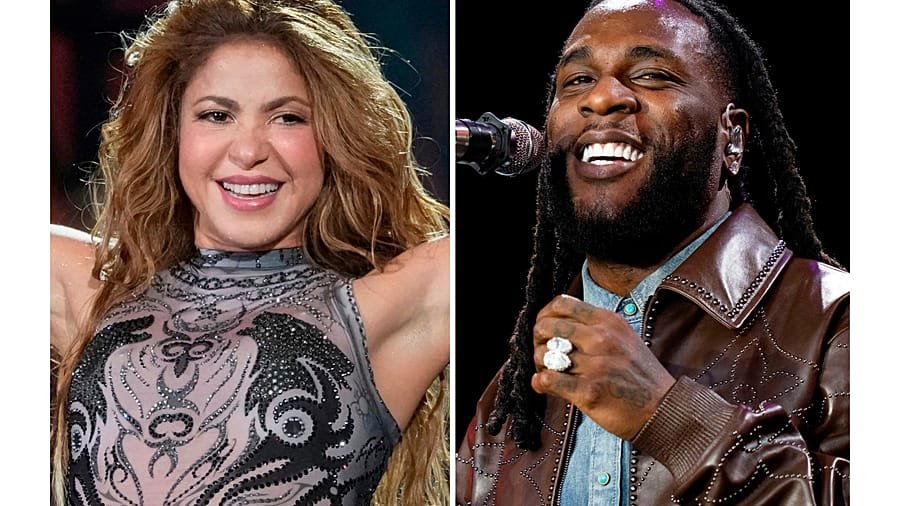
Burna Boy's Historic Moment: Afrobeats Takes the World Stage
Burna Boy stands as Nigeria's leading Afrobeats ambassador, bringing African rhythms to audiences who once knew little of the genre. His appearance on "Dai Dai" marks another step in a career that already includes multiple Grammy wins and sold-out arenas from Accra to Johannesburg.
The collaboration gave Burna Boy his ninth Billboard Hot 100 entry when "Dai Dai" debuted at number 75, the highest total for any African artist. That single chart position reflects years of consistent work by Nigerian musicians who refused to wait for permission to enter global markets.
"Dai Dai" reached number 20 on the Billboard Global 200, Burna Boy's first top-20 placement on that chart. The song also hit number 11 on global Spotify with more than 4 million daily streams, numbers that show listeners across continents pressing play repeatedly.
Burna Boy now joins the short list of African artists who headline major international sporting events rather than appear only as supporting acts. His presence signals that Afrobeats has moved from festival side stages to center field at the world's biggest tournament.
Previous World Cup anthems such as "Waka Waka" featured African dancers yet placed no African artist in the lead vocal role. Burna Boy's featured position on "Dai Dai" corrects that imbalance and opens doors for future collaborations that treat African voices as equal partners.
Shakira captured the moment when she said the track arrives in a divided world where unity matters more than ever. Her words echo across Dakar listening parties where fans discuss how one song can bridge continents during a fractured time.
Shakira's Return to the World Cup Stage with Purpose
Shakira first partnered with FIFA for the 2010 South Africa World Cup when she released "Waka Waka (This Time For Africa)," a song that remains one of the most-viewed World Cup tracks ever with billions of streams. That earlier anthem introduced many listeners to African sounds for the first time.
She noted the difference between the two eras when she said that when "Waka Waka" came out the atmosphere was totally different and today the world is very divided and fractured where it is necessary that people come together. The 2026 project therefore carries an explicit message of healing through rhythm.
Shakira has long tied her music to education, stating that she has been doing basically two things, writing songs and building schools. Her foundation has constructed classrooms across Latin America and parts of Africa, turning royalty checks into concrete buildings for children who need them.
All proceeds from "Dai Dai" flow directly to the FIFA Global Citizen Education Fund, which carries a target of 100 million dollars. The arrangement ensures that every stream contributes to classrooms rather than only filling corporate accounts.
Shakira will perform at the first-ever World Cup final halftime show on July 19 at MetLife Stadium alongside Madonna and BTS. That booking extends her role from 2010 into a new era where halftime shows feature multiple generations of global stars.
She has repeated that this cause of education has been pretty much her focus since she was 18 years old. The consistency of that commitment gives "Dai Dai" weight beyond its three-minute length and places the song inside a larger story of artists using fame for tangible results.
The Anthem That Speaks in Many Tongues
"Dai Dai" takes its title from the Italian phrase meaning "Let's go," a simple call to action that fits the tournament's spirit. The choice of an Italian phrase also nods to the global reach of football culture that crosses language borders daily.
The track contains lyrics in English, Spanish, Italian, French, and Japanese, creating a genuinely multilingual World Cup anthem. Listeners in Dakar can sing along with the French lines while fans in Tokyo catch the Japanese sections, reflecting the 48-team field spread across three host nations.
The song's core message centers on overcoming hardship to reach success, a theme that resonates with athletes who train for years before one tournament defines their careers. The multilingual delivery turns that message into a shared experience rather than a single-language slogan.
Sony Music Latin produced the track and later released a Clean Bandit remix that introduced electronic layers while preserving the original Afrobeats and Latin pop blend. The remix expanded radio play in European markets where Clean Bandit already holds strong followings.
The official music video includes appearances from Lionel Messi, Kylian Mbappé, and Vinícius Jr., placing the artists beside the sport's biggest names. Those cameos reinforce the song's status as official tournament property rather than a standard pop single.
This multilingual approach mirrors the 2026 World Cup structure itself, co-hosted by the United States, Canada, and Mexico. The song therefore functions as both soundtrack and symbol of a tournament designed to span an entire continent.

Opening Ceremony Spectacle at Estadio Azteca
The first live performance of "Dai Dai" took place on June 11, 2026 at Estadio Azteca in Mexico City before more than 80,000 fans. The stadium hosted the opening match between Mexico and South Africa, which Mexico won 2-0, setting an electric tone for the month ahead.
Shakira opened the set in a bright yellow mesh bodysuit paired with matching gloves that caught the stadium lights during every movement. Her entrance immediately connected the 2010 "Waka Waka" era to the current collaboration with Burna Boy.
Burna Boy joined her midway through the song wearing a matching denim outfit that nodded to both Afrobeats street style and the shared stage. Their joint appearance marked the first time an African lead artist performed the official anthem live at a World Cup opening ceremony.
The duo stood on a massive turquoise-and-yellow flag that covered the entire pitch, turning the field into a visual extension of the song's vibrant color palette. The flag design referenced both the Mexican host and the broader spirit of unity across the three nations.
Red and green pyrotechnics closed the performance, sending bursts of color into the Mexico City night sky. The effects created lasting images that circulated on social media within minutes and reached viewers in Senegal the same evening.
The Estadio Azteca show established "Dai Dai" as more than a studio release and proved that the collaboration could command a live audience of 80,000 while delivering the same energy captured on the recording.
Chart Success and Global Reception
"Dai Dai" debuted at number 75 on the Billboard Hot 100, giving Burna Boy his ninth entry on that chart and the most of any African artist to date. The position reflected strong pre-save numbers and immediate radio adds across Latin and African markets.
The song climbed to number 20 on the Billboard Global 200, a career milestone for Burna Boy that placed him alongside established global acts rather than only regional stars. The Global 200 ranking captures streams and sales from every major territory simultaneously.
Global Spotify numbers showed multiple days above 3.9 to 4.1 million streams, with a peak at number 11 on the daily chart. Those figures demonstrate sustained listener interest rather than a single-day spike driven by the release announcement.
Fans and media outlets quickly labeled the track a masterpiece and a banger, language that crossed from social media into formal reviews. The positive reception extended beyond music publications into sports coverage that normally ignores new song releases.
Outlets including Billboard, AP News, NBC, USA Today, and FIFA.com all covered the song within the first week. African media outlets framed the release as a major moment for Afrobeats and for the continent's growing influence on global pop culture.
The chart performance and media attention together confirm that "Dai Dai" has moved beyond niche playlists and into mainstream rotation in multiple regions at once.
A Legacy Beyond the Tournament
Proceeds from the song continue to support the FIFA Global Citizen Education Fund and its 100-million-dollar target. The financial structure ensures that the track's success translates directly into new classrooms long after the final whistle in July.
Shakira's foundation has already built schools across Latin America and Africa, giving the education focus concrete results rather than abstract promises. Burna Boy's participation extends that model to new audiences who follow Afrobeats but may not have known about the earlier school-building work.
"Dai Dai" solidifies Shakira's reputation as the Queen of the World Cup, a title earned through consistent high-profile contributions across multiple tournaments. The 2026 release adds another chapter to a catalog that began with "Waka Waka" in 2010.
For Burna Boy the song represents a new peak in a career already marked by Grammy wins and sold-out tours across continents. The collaboration places him in conversations about legacy artists who shaped how the world hears African music.
Observers now ask whether "Dai Dai" will achieve the lasting recognition of "Waka Waka," which still receives plays more than fifteen years later. Early streaming data and live-performance footage suggest the track has the same staying power.
The song also sets a template for future World Cup collaborations that feature African artists in lead roles rather than as guests, changing expectations for how the tournament soundtrack will sound in 2030 and beyond.
What This Means for African Music's Global Rise
Burna Boy's partnership with Shakira at the world's biggest sporting event demonstrates that Afrobeats can share the main stage with Latin pop without losing its core identity. The collaboration gives African producers and songwriters visible proof that their sounds travel successfully.
The success arrives at a moment when artists such as Wizkid, Davido, and Tems also headline festivals and top global charts. Burna Boy's achievement adds one more data point showing that African musicians no longer need to dilute their sound to reach international listeners.
In Senegal the news resonates with a music scene that already exports Mbalax and jazz to the world through pioneers like Youssou N'Dour and Baaba Maal. Younger Dakar artists now see clearer pathways from local studios to World Cup stages because Burna Boy has walked the route.
The 2026 tournament features 48 teams across three host nations and reaches billions of viewers, giving African music an unmatched platform. One song cannot change every industry gatekeeper, yet it shifts the conversation about which genres belong at the center of global events.
Young African artists watching the Estadio Azteca performance receive a direct message that the world is listening when the work carries both cultural depth and commercial appeal. Burna Boy's chart records and live presence together prove the point without requiring further explanation.
His place on the official anthem therefore stands as a victory not only for one Nigerian artist but for the entire continent's creative community that has waited decades for this level of recognition.
By Amara Diop, Staff Writer
This article was produced with AI-assisted research and editorial support. Reporting is based on sources cited in the article.
What's Your Reaction?
 Like
0
Like
0
 Dislike
0
Dislike
0
 Love
0
Love
0
 Funny
0
Funny
0
 Wow
0
Wow
0
 Sad
0
Sad
0
 Angry
0
Angry
0
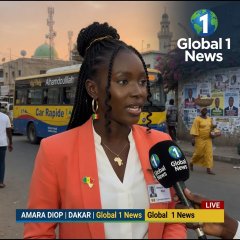
West Africa/Sahel Correspondent at Global1.News. Dakar-based journalist covering politics, security, climate, and development across Francophone and Anglophone West Africa. Tells the stories of a region undergoing profound transformation.












Comments (0)