
Gulf of Paria Widens as Trinidad Pours Oil on Troubled Venezuelan Waters
Venezuela demands compensation from Trinidad and Tobago over an oil spill in the Gulf of Paria, escalating maritime boundary tensions tied to the Dragon gas field. CARICOM urges calm as both governments conduct investigations.
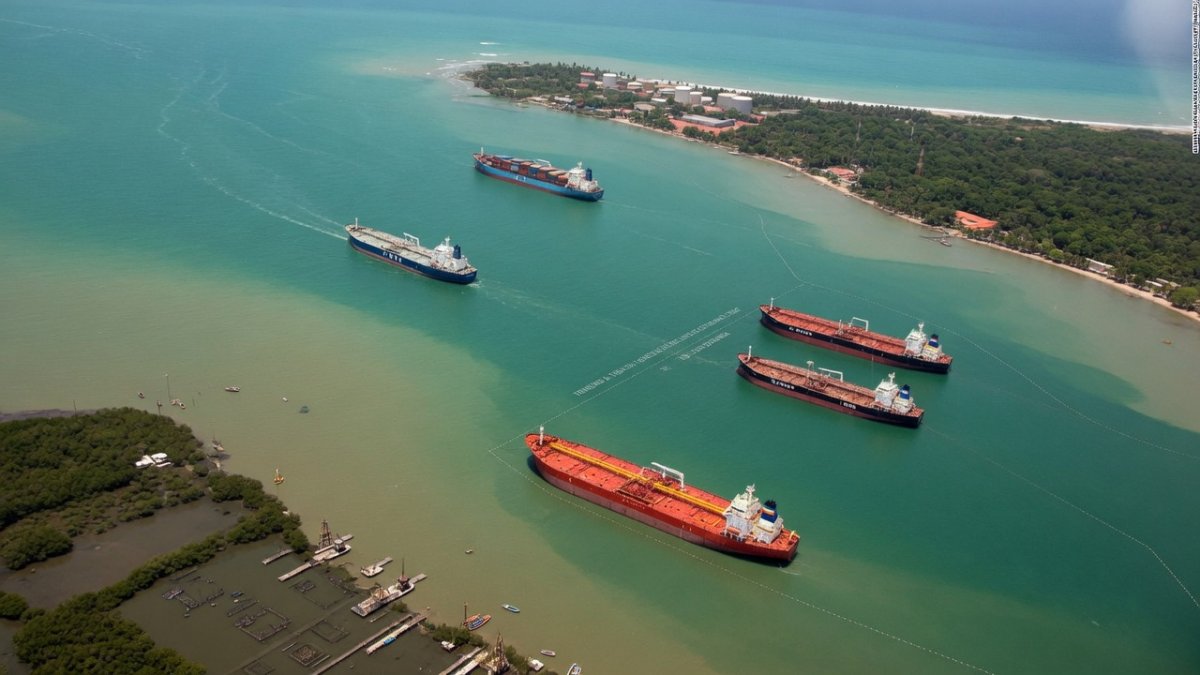
Gulf of Paria Widens as Trinidad Pours Oil on Troubled Venezuelan Waters
The Escalating Dispute in the Gulf of Paria
The waters of the Gulf of Paria have become the latest flashpoint in long-standing tensions between Trinidad and Tobago and Venezuela. An oil spill in the shared maritime zone has prompted Venezuelan officials to demand compensation from Port of Spain, accusing Trinidadian operations of causing environmental damage. This incident arrives amid broader disagreements over maritime boundaries and energy resources.
Background on the Oil Spill Incident
Venezuelan Minister of Petroleum Pedro Tellechea stated that oil from the incident crossed into Venezuelan waters, affecting marine life and coastal communities in Sucre state. Trinidad and Tobago's Ministry of Energy has initiated an internal review of all platforms in the area. CARICOM Secretary-General Carla Barnett called for calm and offered to facilitate technical assessments if both parties agree.
Venezuela's Compensation Demands
Minister Tellechea formally requested financial reparations during a press briefing in Caracas, citing damages estimated in the tens of millions of dollars. He referenced satellite imagery and reports from Venezuela's state oil company PDVSA as evidence linking the spill to Trinidadian facilities. Venezuela threatens to escalate the matter to regional forums if no response is received within 30 days.
Trinidad and Tobago's Position
Energy Minister Stuart Young rejected direct responsibility, noting that preliminary investigations point to natural seepage combined with adverse weather conditions. The government has invited independent inspectors from the International Maritime Organization to conduct a joint survey. Officials emphasized that any compensation would require conclusive proof of causation before funds are considered.
Maritime Boundaries and the Dragon Gas Field
The Gulf of Paria has been subject to overlapping claims since the 1990s. Central to current friction is the Dragon gas field, located near the disputed line. Venezuela has granted development rights to Trinidadian entities, yet Caracas now links the spill dispute to stalled progress on the project. CARICOM trade officials have warned that prolonged uncertainty could deter foreign investment across the Caribbean energy sector.
What This Means for Regional Relations
The spill dispute underscores how environmental incidents can rapidly politicize resource-sharing agreements in small island states. For Trinidad and Tobago, the episode threatens its reputation as a reliable energy partner, while Venezuela faces domestic criticism over its own aging infrastructure. Regional stability hinges on whether both sides can separate technical investigations from broader political grievances.
The Outlook for Caribbean Energy Cooperation
Renewed dialogue through CARICOM mechanisms could prevent escalation. Joint monitoring protocols and shared environmental response teams would reduce the risk of future incidents derailing energy projects. With global demand for natural gas rising, successful resolution could serve as a model for other Caribbean nations navigating similar boundary challenges.
-- Sharon Sahatoo, Caribbean Correspondent
This article was produced with AI-assisted research and editorial support. Reporting is based on sources cited in the article.
What's Your Reaction?
 Like
0
Like
0
 Dislike
0
Dislike
0
 Love
0
Love
0
 Funny
0
Funny
0
 Wow
0
Wow
0
 Sad
0
Sad
0
 Angry
0
Angry
0

Caribbean Correspondent at Global1.News. Based in Port of Spain, Trinidad, covering Caribbean politics, economy, energy, climate, and culture. Amplifying the voices and stories of the Caribbean region.











Comments (0)