
Cuba Fuel Crisis Sparks Havana Garbage Health Emergency: Dengue and Chikungunya Surge as Waste Piles Up
The Streets of Havana Choke Under Mountains of Waste Walk through neighborhoods like Centro Habana or Marianao today and the smell hits first — a thick, acrid mix of rotting food, plastic and smoke. Cuba's fuel crisis has brought waste collection to its knees. Only 44 of the capital's 106 garbage trucks remain operational. Of the 30,000 waste containers Havana needs, barely one
The Streets of Havana Choke Under Mountains of Waste
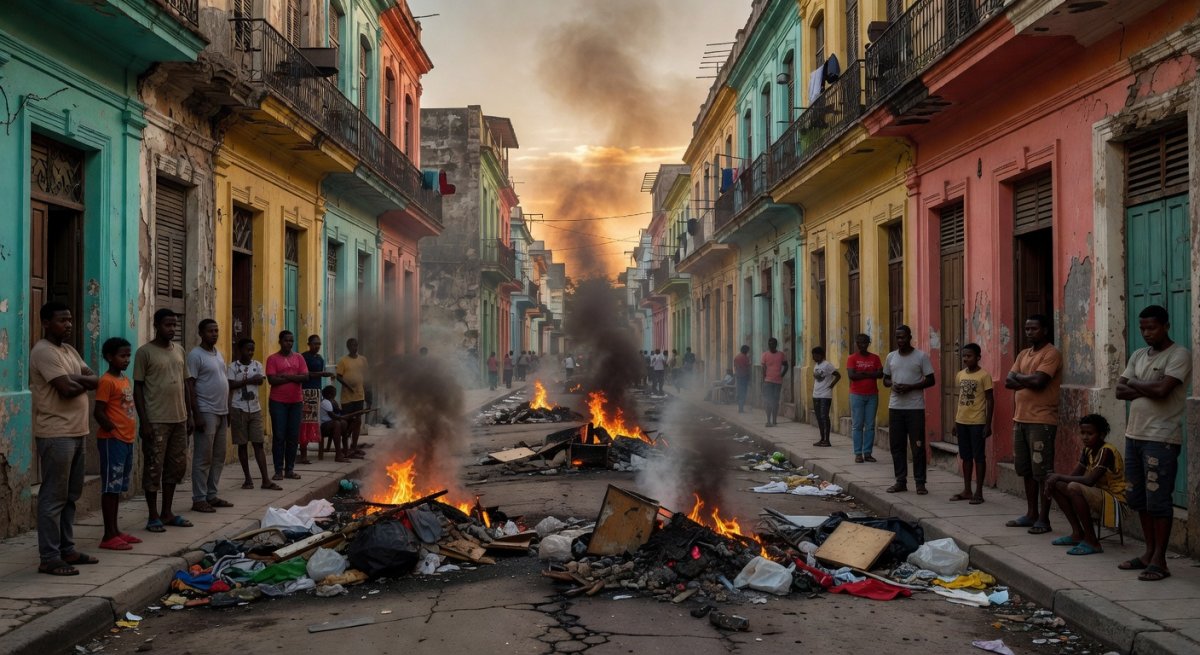
Walk through neighborhoods like Centro Habana or Marianao today and the smell hits first — a thick, acrid mix of rotting food, plastic and smoke. Cuba's fuel crisis has brought waste collection to its knees. Only 44 of the capital's 106 garbage trucks remain operational. Of the 30,000 waste containers Havana needs, barely one-third function. Residents now burn piles of rubbish in the streets, adding toxic smoke to an already dangerous mix.
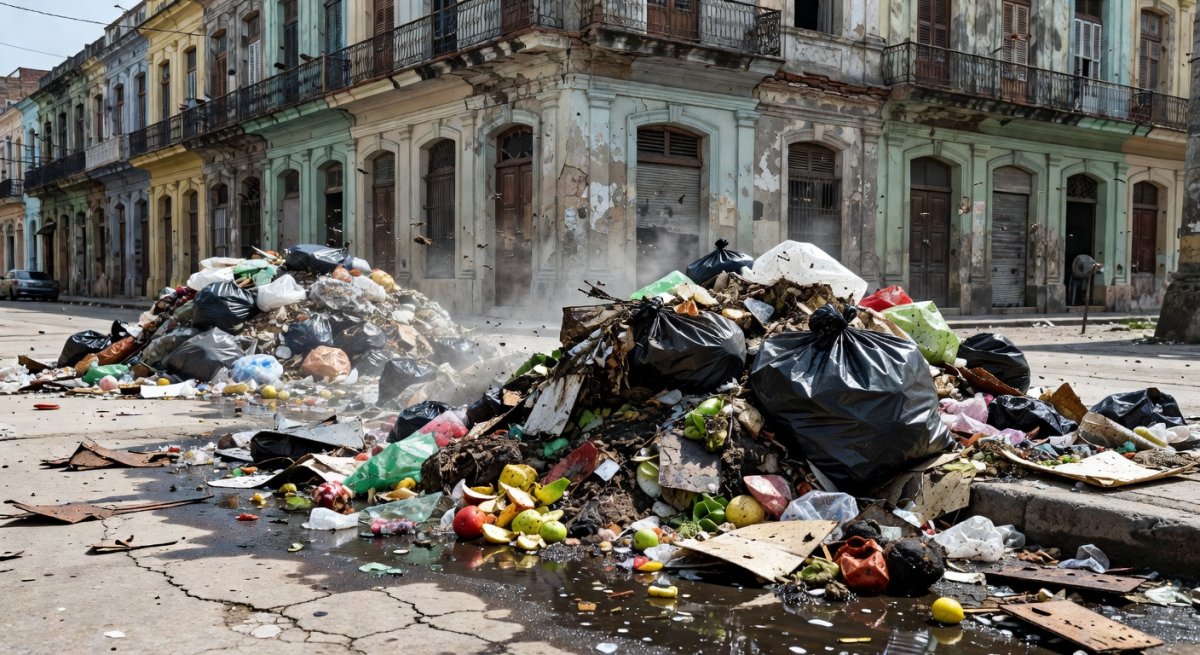
Calle 100 Landfill Becomes a Toxic Zone for 250,000 People
The main landfill on Calle 100 in Marianao has turned into a zone of continuous smoldering. Smoke blankets nearby communities where up to 250,000 residents live. Families report constant coughing, eye irritation and worsening respiratory problems, especially among children and the elderly. Independent observers measured one illegal dump stretching roughly 36 meters along a single block, a direct result of trucks unable to reach the official site.
Arbovirus Outbreak Explodes Amid Collapsed Fumigation
Cuban health authorities recorded 43,911 combined suspected cases of dengue and chikungunya by mid-January 2026. MINSAP officials privately admit these numbers understate the true scale. Independent monitoring groups tracking Havana and Matanzas estimate around 700 new chikungunya infections daily in affected areas. Dengue remains active in more than 12 provinces while chikungunya has reached all 15 provinces. The Oropouche virus is also circulating, further straining hospitals already overflowing with patients.
Fuel shortages have crippled fumigation and disinfection campaigns. Spraying vehicles sit idle for lack of diesel. The outbreak has spread eastward from Havana along major transport routes into Matanzas, Villa Clara, Ciego de Avila, Cienfuegos and Guantanamo.
Daily Life Under Blackouts and Disease
Ordinary Cubans bear the heaviest burden. In Vedado, retired teacher Maria Elena Rodriguez describes waking to find garbage bags stacked against her doorway. With 20-hour blackouts common, refrigerators fail and food spoils faster, adding to the waste. "We burn what we can at night because the trucks never come," she says. In Matanzas province, small farmers watch their children miss school with high fevers while local clinics run out of basic painkillers.
Blame Game: Sanctions Versus Systemic Failure
Cuban authorities attribute the crisis to the U.S. "fuel blockade" and sanctions tightened under measures announced in January 2026. Yet independent analysts point to deeper problems: decades of neglected waste infrastructure, absence of a coherent national recycling system, and governance shortcomings that predate the latest fuel shock. PAHO/WHO representatives have urged immediate investment in both vector control and basic sanitation, warning that the current situation risks regional spillover.
Energy Crisis Amplifies Every Hardship
The garbage emergency sits inside a wider energy collapse. Grid failures have canceled surgeries, shut down water pumps and left hospitals dependent on scarce generator fuel. When waste trucks cannot move and fumigation brigades stay grounded, diseases gain ground. Latin America has seen similar patterns in Venezuela and parts of Central America where energy and sanitation failures compound each other, hitting the poorest neighborhoods hardest.
Regional Lessons and Urgent Needs
Havana's streets serve as a warning for other Caribbean and Central American capitals facing parallel pressures from climate shocks, migration and aging infrastructure. Without swift restoration of fuel supplies and a serious overhaul of waste systems, the current wave of arboviruses will not be the last. Real people in real neighborhoods — from the narrow lanes of Old Havana to the outskirts of Guantanamo — are living the consequences today.
By Elena Vasquez, Staff Writer
This article was produced with AI-assisted research and editorial support. Reporting is based on sources cited in the article.
What's Your Reaction?
 Like
0
Like
0
 Dislike
0
Dislike
0
 Love
0
Love
0
 Funny
0
Funny
0
 Wow
0
Wow
0
 Sad
0
Sad
0
 Angry
0
Angry
0

Latin America Correspondent at Global1.News. Based in Mexico City, covering politics, economics, energy, and culture across the region. Brings an on-the-ground perspective to stories spanning from the Rio Grande to Patagonia.














Comments (0)