
Zhang Zhidong Fentanyl Network Exposes Mexico's Cartel Ties
In the sun-baked badlands of Sinaloa, a Chinese graduate turned chemical broker allegedly stitched together a fentanyl pipeline that now stretches from Asian factories to the veins of two continents, leaving a trail of bodies, bribes and broken communities in its wake.
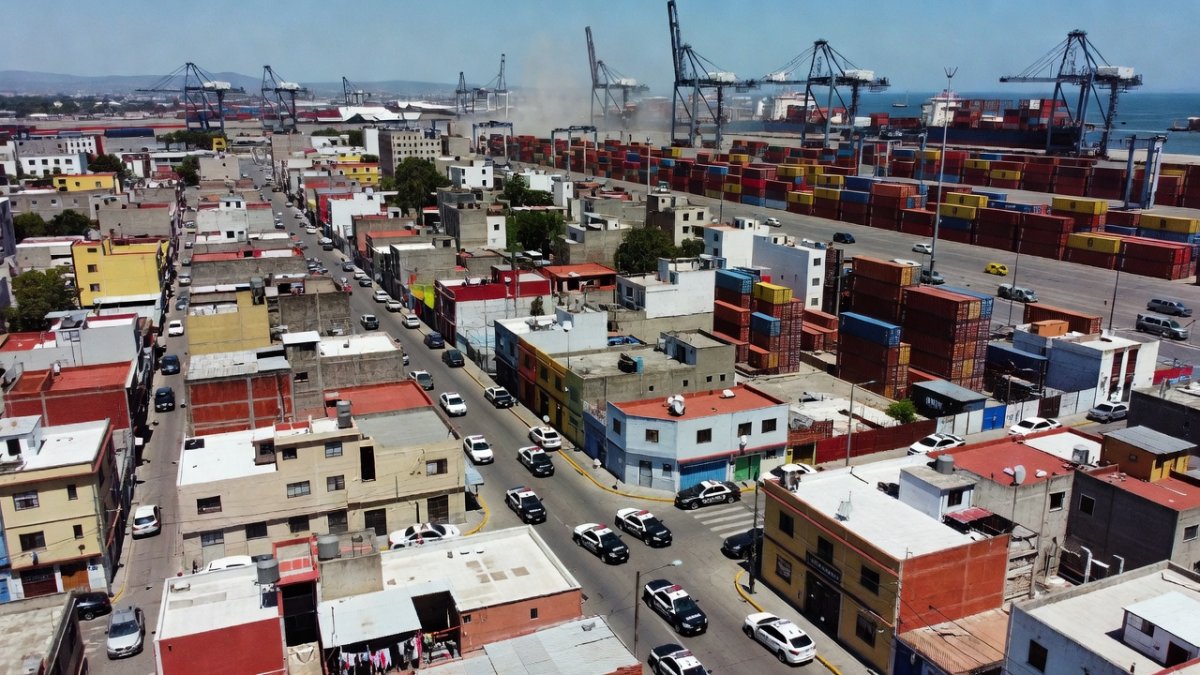
In the sun-baked badlands of Sinaloa, a Chinese graduate turned chemical broker allegedly stitched together a fentanyl pipeline that now stretches from Asian factories to the veins of two continents, leaving a trail of bodies, bribes and broken communities in its wake. Zhang Zhidong, once known only as Brother Wang, stands accused of masterminding shipments that have supercharged Mexico’s most violent cartels and exported a synthetic plague across Latin America. His dramatic arrest, escape and eventual extradition reveal how one man’s network exposed the globalized underbelly of the region’s endless drug war.
Zhang Zhidong Fentanyl Network Exposes Mexico Cartel Ties
Culiacan, Mexico - In the rugged landscapes of Sinaloa, where the echoes of Mexico's long drug war still haunt communities, the name Brother Wang once commanded quiet respect among high-level operators. Zhang Zhidong, a 39-year-old Chinese national, stands accused by the US Department of Justice as the central figure in a vast fentanyl network that has deepened the suffering across Latin America. His alleged role bridges distant chemical factories with the laboratories that feed the continent's most destructive public health emergency.
From Peking University to the Heart of Sinaloa
Zhang graduated from Peking University in 2010 with a degree in Spanish before arriving in Mexico the following year to work for a Chinese-owned mining company. When that venture collapsed in 2013, he remained in the country. Court filings claim that by June 2016 he had built a narcotics trafficking and money laundering organization that would later draw international attention. Mexican authorities accuse him of overseeing the export of more than 1,000 kilograms of cocaine, 1,800 kilograms of fentanyl and 600 kilograms of methamphetamine while handling more than 150 million dollars in annual drug proceeds.
The Deadly Chemistry of Fentanyl and Its Regional Toll
Fentanyl, a synthetic opioid fifty times more potent than heroin, has killed tens of thousands each year, mostly in the United States, yet its production and transit routes cut directly through Latin American territory. President Trump has described such dealers as narco-terrorists. For communities already scarred by decades of cartel violence and overwhelmed health systems, the arrival of this substance represents another layer of crisis that no border can contain. Zhang's alleged coordination of precursor shipments from Chinese factories into Mexican labs illustrates how the crisis now links continents and deepens the wounds of the region's drug war. Fentanyl's infiltration into Latin American societies extends far beyond its role as a transit commodity, devastating local communities through rising addiction rates and associated social breakdown. In Mexico, where the opioid has gained traction among urban and rural populations alike, families face intergenerational trauma as young users turn to the drug for its potency and low cost, eroding community cohesion and increasing petty crime. Historical parallels to the 1990s crack epidemic in the region highlight how synthetic opioids accelerate dependency cycles, with Mexican health authorities reporting a tripling of treatment admissions since 2018. The strain on Mexico's public health infrastructure is acute, as underfunded clinics and hospitals grapple with overdose reversals, long-term rehabilitation needs, and infectious disease spikes from injection practices. Economic analyses estimate annual costs exceeding $2 billion in direct medical expenses and lost productivity, diverting resources from other pressing issues like diabetes and infectious diseases. In comparison to the U.S. crisis, which saw over 70,000 fentanyl-related deaths in 2021, Mexico's toll remains lower in absolute numbers but shows steeper proportional growth among youth, prompting community-led prevention programs such as school-based education campaigns and naloxone distribution networks that have reduced local fatalities by up to 15% in pilot regions. Regional reactions include grassroots protests in border states demanding greater government accountability, alongside policy shifts toward harm reduction that echo successful models from Portugal. These efforts underscore the need for integrated strategies addressing both supply interdiction and demand-side vulnerabilities unique to Latin America's socioeconomic landscape.
Arrest, Escape and the Dramatic Path to Extradition
Zhang was arrested in Mexico on 31 October 2024 and placed under house arrest. He escaped through a hole in a wall, fleeing first by private jet to Cuba and then to Russia before being detected, returned and extradited to the United States in 2025. The sequence of events underscores the challenges Latin American authorities face when confronting transnational networks that operate with sophisticated logistics and international reach.
Brother Wang's Place in the Sinaloa Cartel Structure
Enrique, a high-level coordinator within the Sinaloa cartel, described Zhang as "number one" and credited him with ensuring the steady flow of ingredients needed to produce fentanyl. Victoria Dittmar of InSight Crime notes that brokers like Zhang occupy the critical intersection between chemical producers and the cartels that transform those substances into finished products. His alleged activities highlight how external actors have become embedded in the operational core of Latin America's most powerful trafficking organizations. Chinese brokers like Brother Wang occupy pivotal intermediary roles within the Sinaloa Cartel's ecosystem, facilitating the procurement and smuggling of precursor chemicals essential for fentanyl synthesis. These actors leverage established trade networks from ports in Guangdong and Fujian, routing shipments through legal chemical exports that are then diverted upon arrival in Mexican free-trade zones. Historical context traces this pattern to post-2000 globalization of pharmaceutical supply chains, where lax oversight in China enabled the flow of substances like NPP and 4-ANPP, with seizure data from Mexican authorities showing over 1,200 tons of precursors intercepted between 2019 and 2023. The regulatory cat-and-mouse game intensifies as governments impose bans on specific analogs, prompting cartels to adapt by synthesizing novel variants or shifting production to third countries. Economic incentives remain high, with brokers reportedly earning commissions of 10-20% on multimillion-dollar deals, sustaining a shadow economy that undercuts legitimate chemical industries. Comparable cases involve Chinese nationals embedded in Colombian cocaine networks and Peruvian methamphetamine operations, where similar brokerage models have led to extraditions and asset seizures, illustrating a hemispheric pattern of transnational criminal integration. Regional reactions from Latin American governments have included heightened scrutiny of diaspora communities and joint task forces with Chinese authorities, though enforcement gaps persist due to corruption and jurisdictional complexities.
The Human Cost Across Latin America's Public Health Landscape
While the immediate victims are often counted in the United States, the production and movement of fentanyl have intensified violence, corruption and health-system strain throughout Mexico and neighboring countries. Families in Culiacan and beyond continue to bury loved ones lost to cartel conflicts fueled by these profits. The public health crisis is not abstract; it manifests in overcrowded morgues, strained rehabilitation centers and communities where fear has become a daily companion.
Resilience of the Networks and the Cycle That Persists
Cartel members have already indicated that Zhang's removal changes little in the long run. "If he is gone, someone else will step in," one operative stated. This reality reflects the structural nature of the trade that has persisted through years of enforcement efforts across Latin America. The replacement of key figures has become a predictable feature of a system that adapts faster than governments can respond.
Connecting Mexico's Crisis to the Wider Latin American Struggle
Zhang's story is not merely that of one individual but a window into how Latin America's drug war has evolved into a globalized enterprise. Precursor chemicals arrive from Asia, laboratories operate in Mexican territory, and the resulting devastation ripples through Central and South American societies already burdened by inequality and weak institutions. The fight against synthetic opioids now demands regional cooperation that acknowledges these shared wounds rather than treating them as isolated national problems. Transit routes through Guatemala, Honduras, and El Salvador have become critical arteries for synthetic drug flows, intertwining with established migration corridors controlled by local gangs and Mexican cartels. This convergence amplifies violence, as armed groups extort migrants while simultaneously protecting precursor shipments, contributing to homicide rates exceeding 30 per 100,000 in key corridor municipalities. Historical analysis links this dynamic to the post-2010 surge in U.S.-bound migration, where economic desperation in Central America creates both labor pools for cartel operations and vulnerable populations exposed to drug-related exploitation. The synthetic trade's intersection with migration fuels cycles of displacement and instability, with economic data indicating billions in regional GDP losses from disrupted trade and tourism. Initiatives like the Mérida Initiative have expanded to include Central American partners, providing over $3 billion in U.S. aid since 2008 for interdiction equipment and judicial training, yet critics note limited success against adaptive trafficking networks. Future implications for Latin America suggest escalating fragmentation unless coordinated regional frameworks prioritize development aid alongside enforcement. Reactions across the isthmus include calls for multilateral summits to address root causes, emphasizing that sustainable solutions must integrate economic opportunity with cross-border intelligence sharing to mitigate the crisis's spillover effects.
By Elena Vasquez, Staff WriterThis article was produced with AI-assisted research and editorial support. Reporting is based on sources cited in the article.
What's Your Reaction?
 Like
0
Like
0
 Dislike
0
Dislike
0
 Love
0
Love
0
 Funny
0
Funny
0
 Wow
0
Wow
0
 Sad
0
Sad
0
 Angry
0
Angry
0

Latin America Correspondent at Global1.News. Based in Mexico City, covering politics, economics, energy, and culture across the region. Brings an on-the-ground perspective to stories spanning from the Rio Grande to Patagonia.











Comments (0)