
Chimamanda Ngozi Adichie's Heartbreaking Struggle for Justice
Chimamanda Ngozi Adichie's Heartbreaking Struggle for Justice In the rich tapestry of African storytelling, Chimamanda Ngozi Adichie stands as a towering figure whose words have illuminated the complexities of identity, history, and belonging for readers across the globe. Born in Nigeria and now residing in the United States, she has crafted narratives that resonate deeply with
Chimamanda Ngozi Adichie's Heartbreaking Struggle for Justice
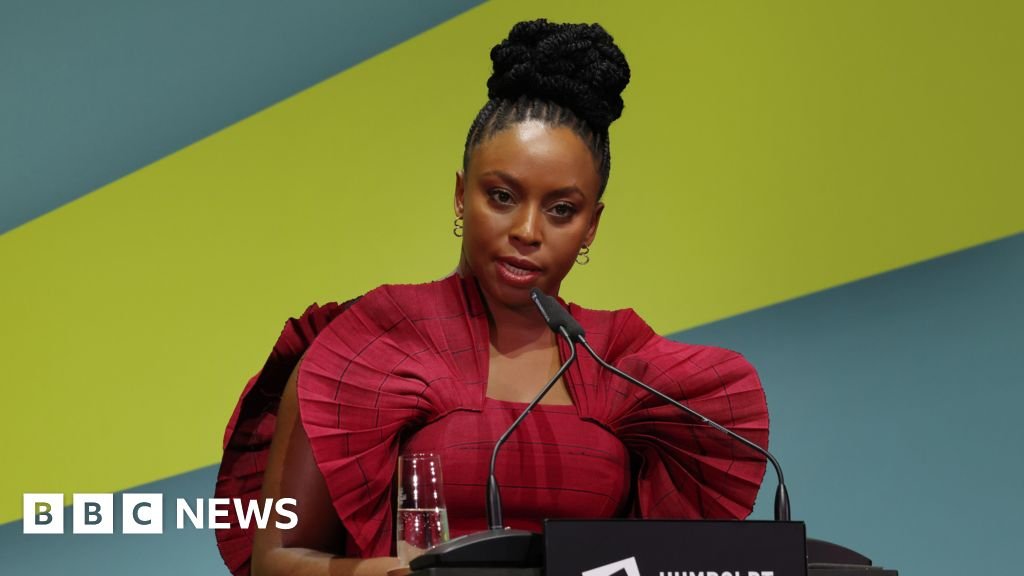
In the rich tapestry of African storytelling, Chimamanda Ngozi Adichie stands as a towering figure whose words have illuminated the complexities of identity, history, and belonging for readers across the globe. Born in Nigeria and now residing in the United States, she has crafted narratives that resonate deeply with the lived experiences of many on the continent and in the diaspora. Her presence in Lagos during the Christmas holidays last year turned into an unimaginable ordeal when her 21-month-old son, Nkanu, one of twin boys born in 2024 through a surrogate, passed away at Euracare hospital. What began as a medical emergency has evolved into a determined pursuit of clarity, with Adichie accusing the facility of obstructing an inquest into the circumstances of his death. The author has publicly stated that Euracare has stalled, muddied, and obfuscated efforts to uncover the truth, even going so far as to request that Nigeria's Federal High Court block the inquiry altogether. This situation highlights the profound challenges families face when seeking accountability in healthcare settings, particularly in private institutions that promise international standards of care. From my vantage point as a Senegalese journalist observing this Nigerian story, the case echoes familiar tensions in West African societies where trust in medical systems intersects with cultural expectations of transparency and communal support during times of loss. Adichie's decision to share her letter to the hospital director on social media marks her first public comment since the tragedy, underscoring a mother's resolve to honor her child's memory through persistent advocacy rather than silent endurance.
The Tragic Events Unfolding at Euracare Hospital
The sequence of events leading to Nkanu's death on 7 January paints a picture of a family navigating urgent medical decisions across multiple facilities in Lagos. Initially admitted to Atlantis Hospital with what was described as a worsening but mild illness, the toddler was slated for transfer to Baltimore's Johns Hopkins Hospital in the United States for advanced treatment. Before that journey could begin, he was referred to Euracare for essential pre-flight inspections that included an MRI and a spinal tap, also known as a lumbar puncture. It was during these diagnostic procedures at Euracare that Nkanu died, leaving his family to grapple with profound questions about the care provided. Adichie and her relatives have leveled specific allegations against the hospital, claiming that medical staff denied the child oxygen and administered excessive sedation, which they believe precipitated a cardiac arrest. The hospital recorded bacterial meningitis as the cause of death on the certificate, yet Adichie has countered that no medical evidence supported such a determination. These details emerge from submissions made to the court by her legal team, revealing a timeline marked by rapid transfers and critical interventions that ultimately ended in tragedy. In the broader context of Nigerian healthcare, where private hospitals often cater to those with resources for international transfers, this case raises quiet reflections on the vulnerabilities even prominent families encounter when illness strikes during holiday seasons spent reconnecting with roots in the homeland.
Pursuing an Inquest: Legal Battles and Allegations of Obstruction
Adichie's fight for an inquest has encountered significant procedural hurdles, beginning with an inquiry scheduled to start in April that was ultimately blocked. In a letter sent to the hospital's director and later shared publicly, she questioned why Euracare would create delays and distractions if it truly valued the truth, culminating in an attempt to halt the process entirely. An investigation panel established by the Medical and Dental Council of Nigeria had earlier identified a possible case of medical negligence at the facility, yet Adichie points to incomplete medical records as a major obstacle, describing one document as inaccurate and the overall handling as strikingly unprofessional. Her legal team has now turned to the Federal High Court, submitting evidence that underscores the family's desire for a full coronial examination to clarify what transpired during those final hours. The BBC has sought comment from Euracare, which has expressed deepest sympathies while maintaining that its care aligned with international standards and denying any wrongdoing. This legal maneuvering reflects the intricate pathways available within Nigeria's judicial system for families confronting potential lapses in private medical care. Observing from Senegal, where similar calls for institutional accountability in health matters often draw on communal traditions of dialogue, one sees how Adichie's approach blends personal grief with a structured demand for systemic examination, ensuring that the pursuit of answers does not fade amid bureaucratic complexities.
Grief in African Society: The Cultural Weight of Loss
Losing a child carries an especially heavy burden in African societies, where communal mourning rituals provide both solace and structure for families navigating the depths of sorrow. In Nigeria as in Senegal, extended networks of relatives and neighbors traditionally gather to share stories, prepare meals, and affirm the enduring presence of the departed within the collective memory, transforming individual pain into a shared journey toward healing. Adichie captured this isolation poignantly in her public statement, noting that the ultimate and utter loneliness of grief means only the bereaved can truly fathom the depth of despair, and that Euracare has robbed her even of the peace to mourn. Her words resonate with the cultural expectation that hospitals and communities alike should facilitate rather than hinder this process, particularly when questions linger about medical decisions. The hospital's response, offering sympathies while rejecting allegations of negligence, stands in contrast to these traditions of open acknowledgment and collective reckoning. From a Senegalese perspective, where griots and elders often mediate between personal loss and societal understanding, Adichie's public articulation of her experience serves as a modern extension of storytelling practices that honor the dead by insisting on truth. This cultural lens reveals how the fight extends beyond legal filings into the realm of restoring dignity to a family whose holiday visit to ancestral lands ended in unforeseen heartbreak.
A Literary Icon's Global Voice and Personal Vulnerability
Chimamanda Ngozi Adichie's literary achievements have established her as one of Africa's most influential voices, with novels such as Half of a Yellow Sun from 2006 and Americanah from 2013 earning widespread acclaim for their exploration of war, migration, and cultural intersections. These works have not only garnered awards but have also fostered global conversations about what it means to navigate multiple worlds while remaining rooted in Nigerian realities. Beyond the page, she has hosted panels featuring world leaders, including former US Vice-President Kamala Harris during the promotion of her autobiography and former German Chancellor Angela Merkel, demonstrating her capacity to bridge literary insight with international discourse. Yet this global stature exists alongside the intimate vulnerability of a mother seeking answers after her son's death at Euracare, a contrast that underscores the universal nature of parental loss regardless of public prominence. Living in the United States but returning to Nigeria for the Christmas holidays, Adichie embodies the transnational lives many Africans lead, where professional success abroad meets the pull of home and family. In reflecting on this duality from Senegal, where writers and thinkers similarly balance local heritage with worldwide engagement, one appreciates how Adichie's advocacy transforms personal tragedy into a testament to resilience, reminding audiences that even those who shape narratives on the world stage must contend with the raw uncertainties of life and loss.
Implications for Healthcare Accountability in Nigeria's Private Healthcare System
The case surrounding Nkanu's death at Euracare carries significant weight for discussions about medical accountability within Nigeria's private healthcare landscape, where facilities often market themselves as providers of world-class services yet face scrutiny over record-keeping and procedural transparency. The push for a coronial inquest highlights the critical role such mechanisms play in establishing facts and fostering trust, particularly when families allege negligence involving oxygen denial or sedation practices. Adichie's legal efforts through the Federal High Court suggest a path forward that could set precedents for how similar incidents are addressed, emphasizing the need for complete and accurate documentation to support thorough investigations. From a Senegalese viewpoint, where healthcare systems in West Africa grapple with comparable issues of access and oversight, this situation invites reflection on strengthening regulatory frameworks to protect patients during vulnerable moments. The family's ongoing quest, rooted in a desire for peace amid mourning, points toward broader reforms that could benefit countless others navigating private hospitals during emergencies. Ultimately, the emphasis remains on ensuring that institutions prioritize truth-seeking over procedural delays, allowing communities to honor the departed through clarity rather than prolonged uncertainty, and reinforcing the shared African commitment to dignity in both life and its inevitable transitions.
By Amara Diop, Staff WriterThis article was produced with AI-assisted research and editorial support. Reporting is based on sources cited in the article.
What's Your Reaction?
 Like
0
Like
0
 Dislike
0
Dislike
0
 Love
0
Love
0
 Funny
0
Funny
0
 Wow
0
Wow
0
 Sad
0
Sad
0
 Angry
0
Angry
0

West Africa/Sahel Correspondent at Global1.News. Dakar-based journalist covering politics, security, climate, and development across Francophone and Anglophone West Africa. Tells the stories of a region undergoing profound transformation.











Comments (0)