
Caribbean hot sauce producers warn of shortages and higher prices
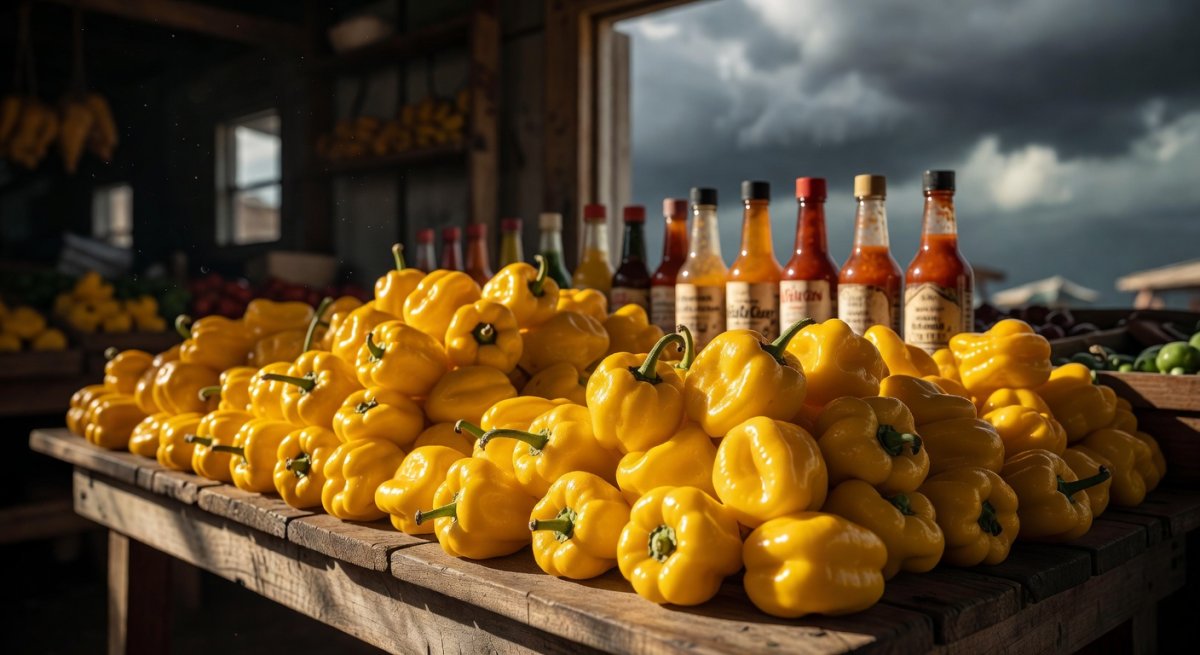
The Climate Crisis Hits Caribbean Kitchens Scotch bonnet peppers form the fiery heart of Caribbean hot sauces, a staple as essential as rice and peas on dining tables from Jamaica to the wider region. Yet extreme weather, disease and pests now threaten supplies, driving up costs for producers who export to supermarkets across North America, Europe and Australia. As a climate jo
The Climate Crisis Hits Caribbean Kitchens
Scotch bonnet peppers form the fiery heart of Caribbean hot sauces, a staple as essential as rice and peas on dining tables from Jamaica to the wider region. Yet extreme weather, disease and pests now threaten supplies, driving up costs for producers who export to supermarkets across North America, Europe and Australia. As a climate journalist, I see this shortage as another stark warning of how rising global temperatures reshape daily life and local economies in vulnerable islands.
Hurricanes Devastate Prime Growing Regions
Jamaica stands as a key source of the yellow Scotch bonnet peppers prized for their heat and vibrant color. Hurricane Melissa, which struck last October as the strongest storm in the island's recorded history, followed closely on the heels of Hurricane Beryl the previous year. These back-to-back disasters battered agricultural fields already struggling with heavy rains that promote fungal growth and reduce pepper potency. Manufacturers report that such events leave little room for recovery in a crop sensitive to both excess moisture and viruses.
Producers Face Soaring Costs and Canceled Orders
Sean Garbutt of Associated Manufacturers, the company behind Walkerswood sauces, described how the firm had to cancel overseas shipments after the storms. Walkerswood sends more than 95 percent of its output abroad, with two-thirds reaching the United States. The company relies on fresh peppers processed within days to preserve the signature color without artificial dyes. Garbutt noted that many farmers shifted to hardier crops like sweet potatoes after Beryl because those offer steadier prices per pound, leaving pepper supplies even tighter.
Cultural Identity and Export Pressures Intertwine
Hot sauce appears on nearly every table in Jamaican cook shops and restaurants, reflecting a deep pride in local seasonings. Drew Gray of Gray's Pepper, a family business founded more than 50 years ago, explained that Scotch bonnets define the island's bold cuisine. His company exports roughly two-thirds of its production, yet it now maintains six months of inventory to buffer against disruptions. Prices for the peppers rose sharply after Melissa, climbing as much as tenfold in the immediate aftermath and showing a sustained 40 to 50 percent increase over two years. Gray emphasized that large retail chains demand consistent delivery regardless of weather setbacks.
Government Efforts Meet Persistent Environmental Threats
Jamaica's Rural Agricultural Development Authority has distributed Scotch bonnet seeds to 650 growers in an attempt to rebuild stocks. Dwight Forrester of the authority highlighted the crop's vulnerability to pests such as gall midges and various viruses across the Caribbean. The agency views the peppers as a flagship export item, with 40 percent of local production shipped overseas. Still, these interventions cannot fully offset the broader pattern of intensifying storms and shifting rainfall that climate scientists link to human-driven warming.
Resilience Required as Storms Keep Coming
Both Garbutt and Gray stress that maintaining cash reserves for inventory allows their operations to continue exporting despite damaged facilities and scarce raw materials. Gray's Pepper resumed shipments within two weeks after Melissa's eye passed directly over its premises. Their experiences reveal how Caribbean food producers adapt daily routines around an unpredictable climate while sustaining cultural traditions and livelihoods tied to global markets. The shortages serve as a reminder that protecting small-scale agriculture demands urgent attention to emissions and adaptation strategies worldwide.
By Elena Vasquez, Staff WriterThis article was produced with AI-assisted research and editorial support. Reporting is based on sources cited in the article.
What's Your Reaction?
 Like
0
Like
0
 Dislike
0
Dislike
0
 Love
0
Love
0
 Funny
0
Funny
0
 Wow
0
Wow
0
 Sad
0
Sad
0
 Angry
0
Angry
0

Latin America Correspondent at Global1.News. Based in Mexico City, covering politics, economics, energy, and culture across the region. Brings an on-the-ground perspective to stories spanning from the Rio Grande to Patagonia.













Comments (0)