
British Airways Extends Flight Cancellations to Israel Through October
Security Concerns Drive Airline Pullbacks from Israel British Airways announced this week an extension of its flight suspensions to Tel Aviv and several other Middle East destinations through at least October 25, 2026. The decision stems directly from ongoing regional security uncertainty tied to the conflict with Iran and the challenges in securing stable arrangements with Teh
Security Concerns Drive Airline Pullbacks from Israel
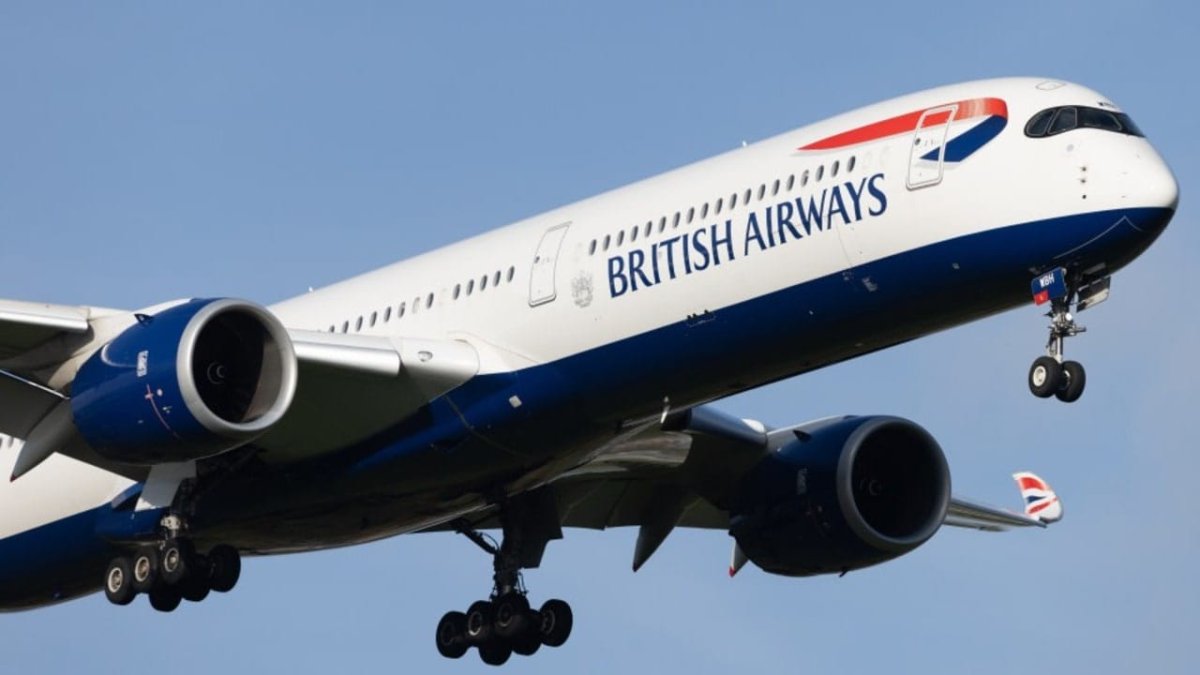
British Airways announced this week an extension of its flight suspensions to Tel Aviv and several other Middle East destinations through at least October 25, 2026. The decision stems directly from ongoing regional security uncertainty tied to the conflict with Iran and the challenges in securing stable arrangements with Tehran. Israeli officials at the Prime Minister's Office and the Foreign Ministry have repeatedly highlighted how Iranian-backed threats continue to affect civilian aviation routes into Ben Gurion Airport near Tel Aviv.
These cancellations arrive during what would normally be peak summer travel months, leaving many Israeli families without direct options to Europe and beyond. The airline cited difficulties in maintaining reliable operations amid the broader fallout from the Iran conflict, which has already prompted multiple carriers to reassess their presence in the region.
Impact on Israeli Travelers and Tourism
Israeli travelers planning summer trips now face limited choices, with British Airways routes to Tel Aviv frozen alongside those to Dubai, Bahrain, and Amman. This hits families in Jerusalem and Tel Aviv particularly hard, as they lose convenient connections for vacations or visits to relatives abroad. Tourism operators in Eilat and the Dead Sea region report early signs of reduced inbound bookings from Europe as a result.
Delta Air Lines will not restart its New York–Tel Aviv service before September 6, while its Atlanta route remains suspended until December 18. The planned Boston–Tel Aviv route has been postponed indefinitely. American Airlines has pushed its Tel Aviv and Doha cancellations through January 2027, meaning the carrier will have been absent from the Israeli market for more than three years by the time it potentially returns.
Business and Economic Consequences
Israeli businesses reliant on frequent travel to the Gulf and Europe are already adjusting schedules. Tech firms in Herzliya and pharmaceutical companies in Rehovot depend on reliable air links for meetings and supply chains. The prolonged absence of major carriers raises costs as companies turn to indirect routings through Istanbul or Athens.
United Airlines still lists a September 7 resumption for Tel Aviv and Dubai flights, though that date remains subject to change. The cumulative effect across carriers threatens to slow recovery in sectors tied to international commerce, especially as security assessments linked to Iran continue to evolve.
Ben Gurion Airport Connectivity Challenges
Ben Gurion Airport near Tel Aviv serves as Israel's primary international gateway, yet the wave of suspensions is reducing its direct reach. With British Airways, Delta, and American scaling back, passengers from central Israel must now consider longer journeys or alternative hubs. Airport officials have noted increased pressure on remaining European carriers to absorb displaced demand.
The situation underscores how security developments tied to the Iran conflict directly shape daily connectivity for residents of Tel Aviv, Haifa, and Beersheba. Reduced flight options also complicate medical evacuations and diplomatic travel coordinated through the Foreign Ministry.
Etihad's Expansion and the Abraham Accords Dimension
While most carriers retreat, Etihad Airways based in Abu Dhabi stands apart. The airline currently operates two daily flights to Israel and plans to increase that to as many as six daily services starting June 15. This move reflects the deeper commercial ties established under the Abraham Accords between Israel and the United Arab Emirates.
Unlike carriers from countries without normalized relations, Etihad benefits from direct government-to-government coordination that has kept the Abu Dhabi–Tel Aviv corridor stable. The expansion provides a rare bright spot for travelers in southern Israel seeking Gulf connections, even as broader regional tensions with Iran persist.
Regional Dynamics and Future Outlook
Qatar Airways' 25 percent stake in British Airways' parent company, International Airlines Group, adds another layer to route decisions, yet the carrier still intends to resume flights to Doha and Riyadh in August. This selective approach highlights how individual airline strategies diverge even amid shared security concerns.
Israeli aviation authorities continue to monitor developments closely, emphasizing that any return of suspended routes will depend on concrete improvements in the security environment. For now, the contrast between Etihad's growth and the extended pullbacks by British Airways and American Airlines illustrates the uneven landscape facing Ben Gurion Airport and Israeli travelers in the months ahead.
By Hannah Berg, Staff WriterThis article was produced with AI-assisted research and editorial support. Reporting is based on sources cited in the article.
What's Your Reaction?
 Like
0
Like
0
 Dislike
0
Dislike
0
 Love
0
Love
0
 Funny
0
Funny
0
 Wow
0
Wow
0
 Sad
0
Sad
0
 Angry
0
Angry
0

Israel Correspondent at Global1.News. Based in Tel Aviv, covering Israeli politics, security, technology, and society. Provides balanced, deeply-sourced reporting on one of the most closely-watched regions in the world.















Comments (0)