
Bank of Japan Governor Signals Ongoing Rate Increases to Address Inflation Pressures
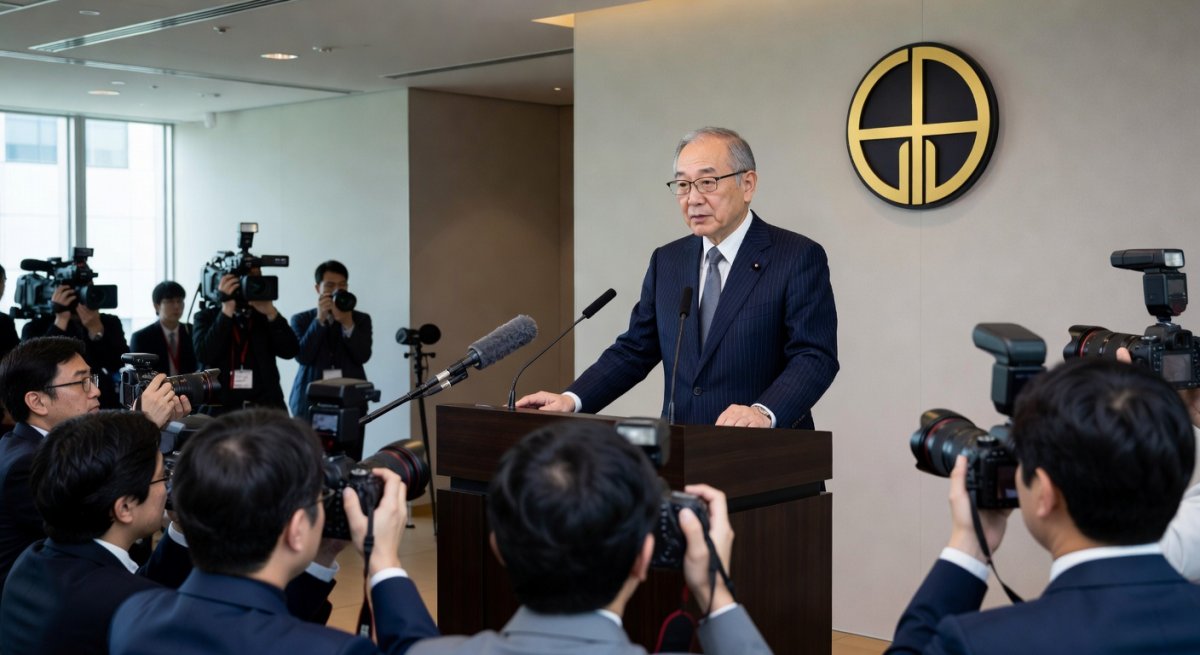
Bank of Japan Governor Signals Ongoing Rate Increases to Address Inflation Pressures Ueda's Statements at the Recent Forum Bank of Japan Governor Kazuo Ueda spoke on June 3, 2026, at a forum in Tokyo, highlighting the need for continued rate hikes to manage inflation. His comments pointed to a solid possibility of an adjustment at the central bank's upcoming policy meeting late
Ueda's Statements at the Recent Forum
Bank of Japan Governor Kazuo Ueda spoke on June 3, 2026, at a forum in Tokyo, highlighting the need for continued rate hikes to manage inflation. His comments pointed to a solid possibility of an adjustment at the central bank's upcoming policy meeting later in the month. This aligns with the gradual shift away from the extended period of accommodative measures that defined prior years.
The Path of Monetary Policy Normalization
The Bank of Japan raised its policy rate in March 2026, moving it from 0.75 percent to 1.0 percent. Ueda, who assumed the governorship in April 2023, has overseen this sequence of steps as part of efforts to normalize policy following the tenure of his predecessor. The current inflation rate has remained above the bank's 2 percent target, providing the backdrop for these decisions. Any further move in June would represent another measured increment rather than a rapid reversal of the prior framework.
Inflation Dynamics in Japan
Persistent inflation above the target level has shaped the central bank's recent communications. Ueda's remarks focused on containing these pressures through incremental tightening. In the Japanese context, where wage growth and consumer spending patterns have shown mixed recovery signals since 2023, sustained inflation readings influence both household budgets and corporate planning. The March adjustment already reflected this environment, and data trends leading into June will likely inform the scale of any additional action.
Potential Impact on Japanese Businesses and Consumers
Higher borrowing costs from successive rate increases affect financing decisions for Japanese firms, particularly those in export-oriented sectors and domestic real estate. For households, adjustments to mortgage rates and deposit yields could gradually alter saving and spending behavior. These changes occur against the backdrop of Japan's aging population and productivity challenges, where monetary policy shifts must balance growth support with price stability objectives.
Outlook for the June Policy Meeting
The Bank of Japan's next scheduled policy meeting falls in June 2026. Ueda's forum comments suggest officials will review fresh economic indicators before determining the timing and size of any rate move. Market participants have been monitoring statements from the governor for clues on the pace of normalization, with attention centered on whether inflation data supports another step beyond the March increase.
Historical Context of BOJ Leadership
Ueda's approach builds on the transition initiated after April 2023. The central bank has moved from an era of negative rates and aggressive asset purchases toward a more conventional stance. This evolution reflects broader global monetary trends while remaining attuned to Japan-specific factors such as yen fluctuations and external demand. Future decisions will continue to weigh domestic inflation against risks of overly rapid tightening that could dampen fragile growth momentum.
By Kenji Tanaka, Staff WriterThis article was produced with AI-assisted research and editorial support. Reporting is based on sources cited in the article.
What's Your Reaction?
 Like
0
Like
0
 Dislike
0
Dislike
0
 Love
0
Love
0
 Funny
0
Funny
0
 Wow
0
Wow
0
 Sad
0
Sad
0
 Angry
0
Angry
0

Japan Correspondent at Global1.News. Tokyo-based voice covering Japanese politics, technology, economy, and culture. Tracks the intersection of tradition and innovation in one of the world's most dynamic societies.















Comments (0)