
24 Pinoys Held in Russia Return to the Philippines
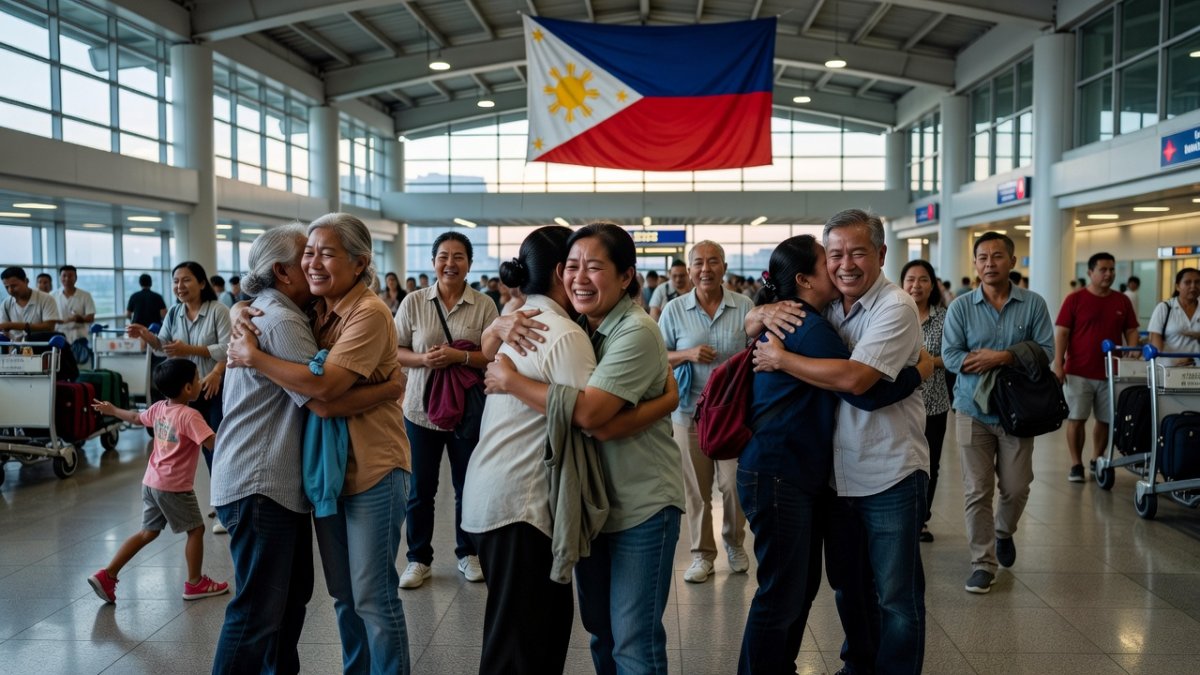
Welcoming Our Heroes Home After Months of Uncertainty The arrival of 24 Filipino workers at Philippine soil brought a wave of relief to families and communities across the country. These individuals, who had been detained for nearly nine months in Russia, stepped off their flights in the early hours, marking the end of a long and difficult chapter. The first group of six women
Welcoming Our Heroes Home After Months of Uncertainty
The arrival of 24 Filipino workers at Philippine soil brought a wave of relief to families and communities across the country. These individuals, who had been detained for nearly nine months in Russia, stepped off their flights in the early hours, marking the end of a long and difficult chapter. The first group of six women landed at 12:05 a.m., followed later by 18 more, including 16 women and two men. Their return was made possible after Russian President Vladimir Putin ordered their release following a request from President Marcos during a bilateral meeting in Kazan on June 17.
(Global 1 News)
Ordinary Filipinos know the weight of having loved ones far from home. Many OFWs send remittances that keep sari-sari stores running and help pay for school fees in barangays from Luzon to Mindanao. When news of the detention first spread, kapitbahay networks began organizing prayers and support drives, reflecting the bayanihan spirit that binds communities together during times of trial. The early morning arrivals at the airport allowed relatives to witness the first moments of reunion, turning what could have been another night of waiting into one of quiet celebration.
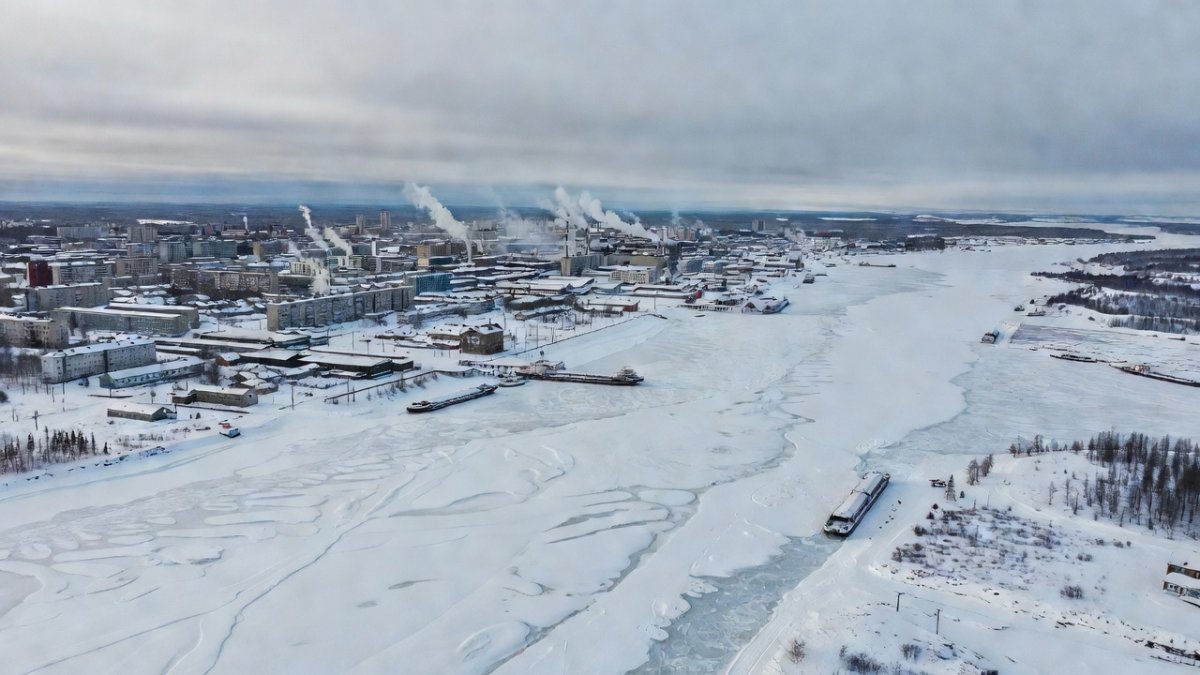
Communities across the archipelago have long tracked the journeys of workers who leave for opportunities abroad. The safe return of these 24 individuals after nine months of detention in Yakutsk underscores how each repatriation carries meaning beyond the individual stories. Families who had prepared for continued uncertainty now face the practical steps of reintegration, from updating household budgets to reconnecting with children who grew older during the separation.
(Global 1 News)
The Long Months of Detention in Yakutsk
Details about the nine-month detention in the city of Yakutsk in eastern Siberia remain under verification by Philippine authorities. Initial reports pointed to alleged immigration violations, though no charges were filed against the workers. Interviews are now ongoing to document their experiences and check for any signs of recruitment irregularities or possible trafficking.
For families back home, the lack of clear information created months of anxiety. Parents, spouses, and children waited for updates, often relying on barangay captains and local networks to share what little news trickled through. The experience highlights how distance can turn even routine work arrangements into sources of deep worry for those left behind. The fact that the workers were held without charges for nearly nine months adds another layer to the challenges faced by overseas Filipino communities when communication lines are limited.
Authorities continue to gather accounts from the returning group to understand the full sequence of events that led to their detention. This careful approach ensures that any findings about recruitment practices or other factors can inform future guidance for those considering work in similar regions. The ongoing interviews connect directly to the need for accurate records that protect both the workers and their families who depend on steady overseas income.
Diplomatic Steps That Led to Their Release
President Marcos raised the matter directly with President Putin during their meeting in Kazan on June 17. This personal request opened the door for the workers' release and eventual repatriation. Officials from the Department of Foreign Affairs, the Department of Migrant Workers, and the Overseas Workers Welfare Administration met the returning group at the airport to provide immediate assistance.
Such bilateral conversations matter to millions of Filipino households that depend on overseas employment. When leaders engage on behalf of detained workers, it sends a message that the government recognizes the sacrifices made by those who leave to support their families. The process also shows how quiet diplomacy can resolve situations that affect real people rather than abstract statistics. The specific timing of the request during the Kazan meeting illustrates one pathway through which Philippine officials address cases involving citizens held abroad.
The involvement of multiple agencies upon arrival reflects the coordinated response that follows such diplomatic interventions. Department of Foreign Affairs personnel, together with representatives from the Department of Migrant Workers and the Overseas Workers Welfare Administration, ensured that the 24 workers received support right after landing. This sequence of events, from the June 17 meeting to the early morning arrivals, demonstrates the practical outcomes that can emerge when high-level discussions focus on individual cases.
Immediate Assistance and Ongoing Interviews
Upon landing, the 24 workers received help from government agencies tasked with migrant welfare. This included basic needs and the start of interviews to understand what happened during their time in Russia. Authorities are taking care to gather accurate accounts without rushing conclusions about how the workers ended up detained.
These steps are important because they connect directly to the daily lives of families who count on steady income from abroad. When workers return safely, communities can begin to rebuild routines, whether that means restocking a tricycle business or preparing for the next fiesta. The focus now remains on verifying facts so that future cases can be handled with greater clarity. The interviews also serve as a bridge between the experiences in Yakutsk and the support systems available back home.
Agency officials continue to work with the returning Filipinos to document every relevant detail from the nine-month period. This methodical process helps identify whether any patterns related to immigration procedures or recruitment require closer attention. By prioritizing accurate information over speculation, the government supports both the immediate needs of the workers and the longer-term goal of strengthening protections for others who may seek employment in similar locations.
How This Affects Families Across the Philippines
The return of these workers touches households in provinces where remittances form the backbone of local economies. Children who waited for a parent’s return can now plan for school supplies and daily meals with more certainty. Spouses who managed households alone can share the load again, easing the emotional strain that builds over months of separation.
In many barangays, stories like this circulate quickly through neighborhood conversations. They remind everyone of the risks that come with working far from home, yet they also reinforce the resilience that Filipino families show when supporting one another. The human side of migration often gets lost in headlines, but it lives in the small moments of reunion at airports and in living rooms. The arrival of the first six women at 12:05 a.m. and the subsequent group of 18 marked the beginning of these personal recoveries for dozens of households.
Local economies that rely on regular transfers from overseas workers feel the effects when such detentions end. The safe return after nine months in Yakutsk allows families to resume contributions to community activities and daily expenses without the added pressure of unresolved cases. This outcome, made possible through the request at the Kazan meeting, offers a concrete example of how diplomatic actions translate into tangible relief for ordinary citizens.
Broader Implications for Protecting Overseas Workers
Incidents involving Filipino workers abroad draw attention to the need for stronger safeguards before departure. While specific details of this case are still being checked, the situation underscores how quickly problems can arise when information about contracts or immigration rules is unclear. Government agencies continue to monitor such cases to improve processes for those seeking employment overseas.
The involvement of the Department of Foreign Affairs, Department of Migrant Workers, and Overseas Workers Welfare Administration in both the diplomatic request and the airport assistance highlights the layered approach required for effective protection. As interviews proceed to examine possible recruitment irregularities or trafficking indicators, the findings may contribute to refined guidelines that benefit future OFW deployments. This case, centered on the 24 workers held without charges in eastern Siberia, serves as a reminder that verification remains essential even after repatriation.
Broader policy discussions often reference the importance of timely intervention when citizens face difficulties abroad. The sequence from the June 17 bilateral meeting in Kazan to the release ordered by President Putin shows one mechanism through which such interventions occur. Continued attention to these processes helps ensure that the contributions of migrant workers are matched by adequate support systems at home and clearer pathways for resolution when issues arise.
Moving Forward with Community Support
As the 24 workers settle back into life in the Philippines, their communities stand ready to offer the same solidarity that helped sustain families during the detention period. The focus remains on accurate documentation and practical assistance rather than speculation. This approach respects the dignity of those who have already endured months of uncertainty.
Filipino culture places high value on caring for one another, whether through simple acts of neighborly help or larger efforts by national agencies. The safe return of these workers offers a chance to reflect on how collective action, from the barangay level upward, can ease the burdens carried by OFWs and their loved ones. Their story adds one more chapter to the ongoing narrative of Filipinos working abroad while staying rooted in the values that define home.
The experiences documented through ongoing interviews will likely inform how similar situations are approached in the future. By centering the needs of returning workers and their families, Philippine institutions continue to build on the foundation of support that has long characterized the nation’s response to overseas challenges. The arrivals at 12:05 a.m. and the subsequent batch represent not only individual homecomings but also a collective step toward greater clarity in protecting those who sustain communities through their labor abroad.
By Bella Reyes, Staff WriterThis article was produced with AI-assisted research and editorial support. Reporting is based on sources cited in the article.
What's Your Reaction?
 Like
0
Like
0
 Dislike
0
Dislike
0
 Love
0
Love
0
 Funny
0
Funny
0
 Wow
0
Wow
0
 Sad
0
Sad
0
 Angry
0
Angry
0

Philippines/Southeast Asia Correspondent at Global1.News. Manila-based journalist covering Philippine politics, environment, maritime security, and social issues. Passionate about marine conservation and the communities protecting the Philippines' natural heritage.













Comments (0)