
Venezuela Oil Resurgence to India Highlights Energy Choices
Venezuela's Oil Resurgence to India Puts Latin America's Energy Choices in the Spotlight Delcy Rodríguez Advances Bilateral Talks in New Delhi Delcy Rodríguez, Venezuela's acting president who serves in that role after Maduro's removal, arrived in India for high-level meetings with Prime Minister Narendra Modi. The agenda covers trade, investment, healthcare, and renewable ener
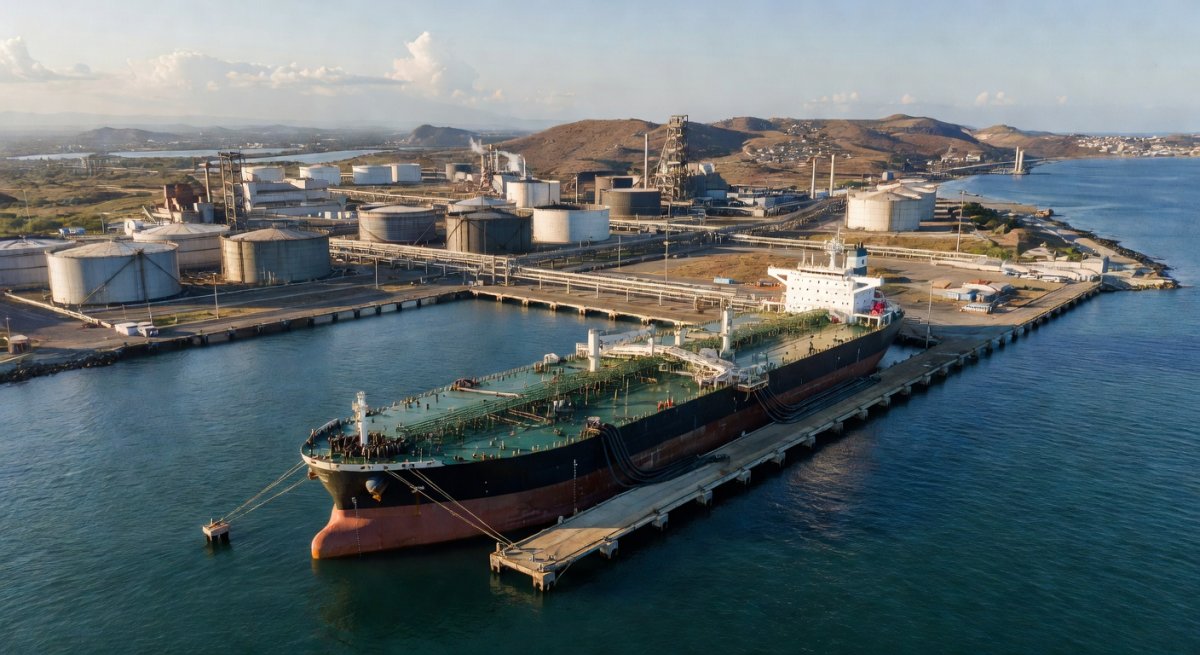
Venezuela's Oil Resurgence to India Puts Latin America's Energy Choices in the Spotlight
Delcy Rodríguez Advances Bilateral Talks in New Delhi
Delcy Rodríguez, Venezuela's acting president who serves in that role after Maduro's removal, arrived in India for high-level meetings with Prime Minister Narendra Modi. The agenda covers trade, investment, healthcare, and renewable energy, yet the core of the relationship between the two nations remains centered on oil. Rodríguez's visit underscores how Venezuela continues to leverage its hydrocarbon resources even amid shifting political circumstances at home.
India Turns to Venezuelan Crude Amid Middle East Disruptions
India, the world's third-largest importer of oil, has sharply increased purchases of Venezuelan crude in recent months. This development positions the South American producer as an increasingly useful supplier precisely as the Iran war has restricted energy flows from the Gulf. India imports roughly 90 percent of its oil needs, with approximately half of its crude imports—around 2.5 to 2.7 million barrels a day—normally passing through the Strait of Hormuz, a chokepoint now effectively closed by ongoing conflict.
Data from Kpler shows Venezuela ranked as India's fifth-largest source of crude oil imports in May, delivering about 266,000 barrels a day and accounting for roughly 5.3 percent of India's total crude imports. For Indian refiners, Venezuelan crude offers a relatively cheaper purchase price, although it presents refining challenges due to its heavy, sulphur-rich composition. India's sophisticated refineries handle this grade efficiently, turning a potential drawback into a practical advantage during periods of supply uncertainty.
Separate Sanctions Events Shape Import Patterns
US sanctions halted imports from Venezuela in 2019, at which point the South American nation had already risen to become one of India's most important oil suppliers, reaching third place by 2012. Separately, after a year-long interruption triggered by US measures against buyers of Venezuelan crude, Indian refiners resumed imports in February following a sanctions-easing agreement between Washington and Caracas. These represent two distinct episodes rather than a continuous pause beginning in 2019.
Venezuela's output has risen by roughly 400,000 to 500,000 barrels per day this year, although production remains far below historic peaks. Michael Kugelman of the Atlantic Council noted that Venezuela offers India an opportunity to diversify its energy supplies. Indian state-owned firms already hold significant stakes in Venezuela's oil sector, providing an established foundation for expanded cooperation as global supply routes face new pressures.
Latin America's Energy Trade Choices Under Scrutiny
The strengthening Venezuela-India oil relationship places Latin America's broader energy decisions under examination. While the immediate story centers on barrels moving from Caracas to Indian refineries, the pattern raises questions about how nations across the region balance short-term revenue needs against longer-term climate commitments. Venezuela's return to the Indian market illustrates the pull of established fossil-fuel ties even as global attention turns toward cleaner alternatives.
Regional producers continue to weigh similar options, with oil exports offering immediate economic relief yet locking in infrastructure and diplomatic alignments that may constrain future flexibility. The climate implications emerge most clearly when such deals are viewed alongside the urgent need to reduce dependence on heavy crude grades that contribute to sustained emissions. One concise connection appears in the way Brazilian energy firms have at times navigated parallel sanctions environments, reminding observers that Latin American exporters often face comparable pressures when seeking stable buyers outside traditional Western markets.
Outlook for Sustained Venezuela-India Energy Ties
With Rodríguez scheduled to meet Modi on Thursday, the talks may lay groundwork for further oil-sector coordination even as both sides reference healthcare and renewable energy on the official agenda. Venezuela's increased shipments coincide with genuine concerns over Middle East supply stability, giving Indian refiners a concrete incentive to maintain and potentially expand volumes. The data from Kpler and commentary from the Atlantic Council together paint a picture of pragmatic diversification rather than a dramatic geopolitical realignment.
Output gains in Venezuela remain modest relative to past capacity, yet they arrive at a moment when alternative suppliers face logistical constraints. Indian refineries' technical ability to process Venezuelan grades efficiently supports the commercial logic behind the resumed trade. Observers will watch whether the February resumption marks the beginning of a steadier flow or remains subject to further shifts in sanctions policy between Washington and Caracas.
By Elena Vasquez, Staff WriterThis article was produced with AI-assisted research and editorial support. Reporting is based on sources cited in the article.
What's Your Reaction?
 Like
0
Like
0
 Dislike
0
Dislike
0
 Love
0
Love
0
 Funny
0
Funny
0
 Wow
0
Wow
0
 Sad
0
Sad
0
 Angry
0
Angry
0

Latin America Correspondent at Global1.News. Based in Mexico City, covering politics, economics, energy, and culture across the region. Brings an on-the-ground perspective to stories spanning from the Rio Grande to Patagonia.













Comments (0)