
Venezuela Earthquakes: 7.2 and 7.5 Magnitude Hit Coast
**Keywords:** Venezuela earthquake, Caracas, Delcy Rodriguez, USGS, Falcon state, Canadian diaspora, Global Affairs Canada, Lima Group, Moron, Simon Bolivar Airport, humanitarian aid, Maria Corina Machado Powerful Quakes Strike Venezuela's Coast The back-to-back earthquakes measuring 7.2 and 7.5 magnitude struck off Venezuela's Caribbean coast Wednesday evening. These events co
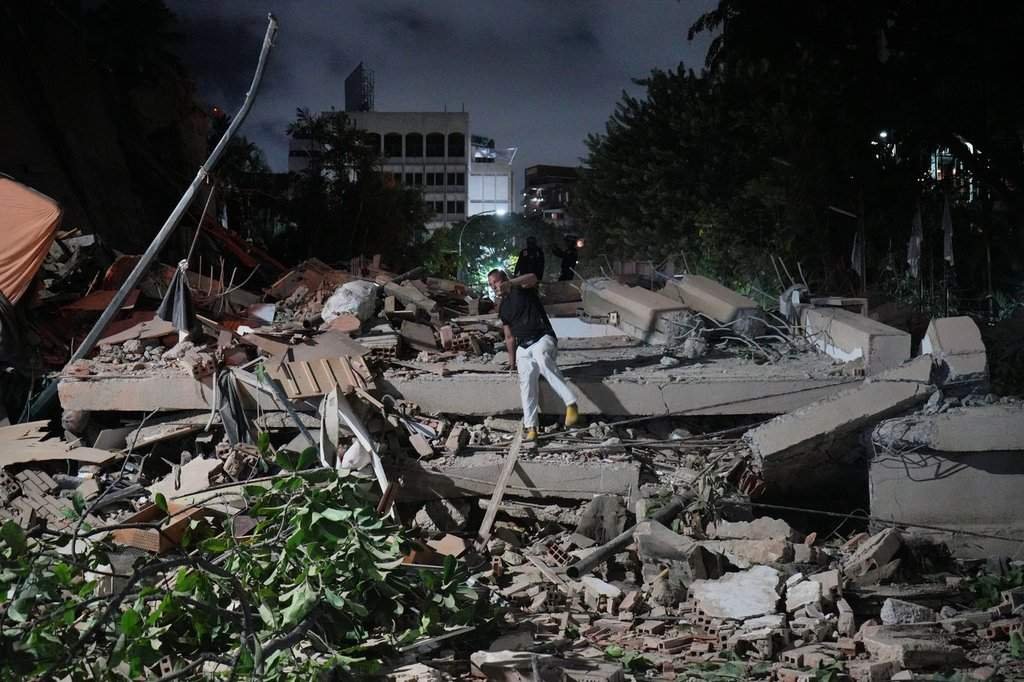
Powerful Quakes Strike Venezuela's Coast
The back-to-back earthquakes measuring 7.2 and 7.5 magnitude struck off Venezuela's Caribbean coast Wednesday evening. These events collapsed buildings and forced residents into the streets of multiple cities. The US Geological Survey recorded the first tremor at 7.1 before revising it to 7.2. This quake was centred west of Moron at a depth of 22 kilometres. The tremors caused widespread alarm across the region. One minute later a second 7.5 magnitude quake struck 16 kilometres southwest of Moron at 10 kilometres depth. The sequence created immediate panic among coastal populations.
The events rank among the strongest to hit Venezuela in more than a century. This fact underscores the unusual intensity of the seismic activity. The tremors were felt across a vast region. Buildings were evacuated as far away as Brazil's Amazon roughly 1,700 kilometres from the epicentre. Such distance highlights how powerful the quakes truly were. Residents in distant areas experienced noticeable shaking. The scale of impact extended well beyond Venezuela's borders.
Analysis of the timing shows the quakes occurred in rapid succession. This left little time for initial recovery efforts. The depth variations between the two events influenced how the shaking propagated. Shallower depths often amplify surface damage. Canadian observers noted the potential for aftershocks in the following days. The overall strength exceeded typical regional seismic patterns. These details help explain the extensive evacuations reported.
Immediate Damage and Government Response
Acting President Delcy Rodriguez confirmed damage across multiple states late Wednesday. This included the closure of Simon Bolivar International Airport. Classes were cancelled for several days as a safety measure. She called on health care professionals to report to hospitals immediately. The call aimed to bolster medical capacity amid rising needs. Rodriguez urged the population to remain calm during the crisis. She also stressed the importance of unity among citizens.
In Falcon state Governor Victor Clark reported 32 people hospitalised. Fifteen individuals remained trapped four hours after the quakes. Interior Minister Diosdado Cabello described alarming situations in Caracas's Altamira neighbourhood. He urged motorists to give way to emergency vehicles. These instructions sought to prevent further delays in rescue operations. The government activated protocols to coordinate aid distribution. Officials emphasised checking on vulnerable groups such as children and the elderly.
The response highlighted challenges in communication due to power outages. This affected coordination between different regions. Rodriguez's statements focused on maintaining public order. The emphasis on unity aimed to reduce panic in affected communities. Canadian analysts viewed the airport closure as a significant logistical hurdle. It limited the movement of supplies and personnel. The overall approach mirrored standard emergency procedures in seismic events.
Destruction in the Capital
Entire walls collapsed in Caracas making furniture visible from the street. Dust columns rose in two neighbourhoods where restaurants and businesses are typically busy. Collapsed buildings toppled power poles and debris blocked streets. Parts of the capital lost electricity and cellphone service. These outages compounded difficulties for residents seeking help. The visual damage indicated severe structural failures in older buildings. Many areas resembled disaster zones shortly after the shaking stopped.
Residents described the shaking as initially gentle before intensifying rapidly. Hector Ricci recounted leaving his home to gather with neighbours. Roberto Gamas said the building shook from side to side with incredible force. Everything in the apartment fell according to his account. Many remained outdoors after sunset some holding pets amid the dust. The sudden escalation left little time for preparation. Neighbours supported one another during the prolonged period outside.
The destruction disrupted daily commerce in central districts. Businesses faced immediate losses from structural damage. Power failures affected hospitals and emergency services. This created additional strain on response teams. Observers noted that cellphone outages isolated families temporarily. The scenes in Caracas illustrated the human cost of the quakes. Recovery efforts would require significant resources over coming weeks.
Falcon State and Rescue Operations
Governor Victor Clark confirmed 32 people were hospitalised in Falcon state. Fifteen remained trapped more than four hours after the quakes. Interior Minister Cabello urged motorists to give way to ambulances and other emergency vehicles. He acknowledged that some people may feel desperate in the moment. Protocols were activated to organise aid and rescue efforts. The focus remained on helping those who needed it most. Cabello spoke on state television to reach a wide audience.
Residents received instructions to check on children and the elderly. They were advised to remain outside damaged structures for safety. These measures aimed to prevent secondary injuries from aftershocks. The trapped individuals required specialised equipment for extraction. Hospital capacity in the state faced immediate pressure from the influx. Coordination between local and national authorities proved essential. The situation in Falcon state demonstrated both challenges and organised responses.
Analysis of the rescue timeline reveals delays caused by debris. Blocked roads slowed the arrival of teams. Cabello's public messages sought to calm tensions among motorists. The emphasis on protocols ensured systematic aid delivery. Canadian observers compared these efforts to domestic emergency plans. The human impact included both physical injuries and emotional distress. Ongoing monitoring would determine the full extent of needs in the area.
Regional Impact Across Borders
Buildings were evacuated in Manaus Belem and Macapa in Brazil's Amazon region. The distance from the epicentre reached approximately 1,700 kilometres. This spread demonstrated the quakes' exceptional reach. Colombia's Caribbean and northeast regions felt the tremors. No damage was reported in those Colombian areas despite the shaking. The cross-border effects surprised some observers initially. Evacuations proceeded smoothly in Brazilian cities as a precaution.
The regional response involved temporary halts in normal activities. People moved to open spaces until assessments concluded. Such actions prevented potential casualties from falling objects. The lack of damage in Colombia provided some relief to officials there. Brazilian authorities monitored for any secondary effects like landslides. The vast area affected highlighted the interconnected nature of seismic events. International communication helped share information quickly.
Further analysis shows how depth influenced the felt intensity at distance. Shallower quakes transmit energy more broadly. This factor explains why distant cities experienced noticeable motion. Canadian diplomats tracked these developments for diaspora implications. The border impacts underscored the need for regional cooperation. No major incidents occurred beyond Venezuela yet vigilance remained high. The events served as a reminder of nature's unpredictability across South America.
Canada's Venezuelan Diaspora
Canada's Venezuelan diaspora numbers more than 4,000 people. These individuals are concentrated in Toronto and Montreal. Many maintain family ties in affected areas of Venezuela. The quakes created immediate concern among these communities. Cellphone outages deepened distress for families separated by Venezuela's protracted crisis. More than 7.7 million people have left the country due to ongoing challenges. The recent events added another layer of worry for those abroad.
Community organisations in Canada began checking on members with connections to Venezuela. The concentration in major cities facilitated quicker information sharing. Outages in Venezuela hindered direct contact with relatives. This situation increased reliance on official channels for updates. The diaspora has grown over years of economic and political difficulties. Canadian officials recognised the emotional toll on these families. Support networks played a key role in providing reassurance.
The protracted crisis mentioned in reports has shaped migration patterns. Many Venezuelans arrived in Canada seeking stability. The earthquakes risked disrupting any remaining connections to home. Officials monitored the situation closely for signs of increased calls for assistance. The 4,000 figure represents a modest yet significant community. Their experiences reflect broader regional humanitarian concerns. Canadian responses aimed to address both practical and emotional needs.
Canada's Diplomatic Role
Canada has participated actively in the Lima Group. This involvement supports diplomatic efforts to address Venezuela's protracted crisis. Global Affairs Canada maintains consular services for Canadians in Venezuela. The department coordinates with international partners on humanitarian matters. These activities ensure Canadians receive necessary assistance during emergencies. The Lima Group provides a forum for regional dialogue on Venezuela. Canada's role emphasises peaceful resolution and support for affected populations.
Consular services include tracking citizens and offering guidance. Coordination with partners helps deliver aid efficiently. The diplomatic framework allows for rapid response to events like earthquakes. Officials assess risks to Canadian interests in the region. The protracted crisis requires sustained attention from multiple nations. Canada's contributions focus on stability and humanitarian access. These efforts complement domestic monitoring of the diaspora.
Further context reveals how the Lima Group emerged from shared concerns. Canada joined to promote collective approaches. Global Affairs Canada updates travel advisories based on developments. The coordination extends to health and safety protocols. Canadian involvement reflects a commitment to multilateral solutions. The recent quakes tested these mechanisms in real time. Outcomes depend on continued collaboration among member states.
Earthquake Preparedness Lessons for Canadians
The Venezuelan quakes serve as reminders for Canadians in seismic zones. This applies particularly to British Columbia's coastal region and parts of Quebec. Preparedness measures include securing furniture to prevent injuries. Identifying safe outdoor gathering spots is another key step. Staying outside during aftershocks reduces risks from falling debris. Cabello's advice to check on children and the elderly mirrors Canadian emergency protocols. These similarities highlight universal best practices in disaster response.
Canadian authorities often promote similar steps in public campaigns. Securing heavy items can prevent accidents during shaking. Community education programs emphasise quick evacuation routes. The Venezuelan example shows how rapidly situations can escalate. Residents in at-risk areas benefit from regular drills. The depth and magnitude data from the quakes offer learning opportunities. Officials encourage families to prepare emergency kits in advance.
Analysis of the events suggests that early warnings save lives. Canada's seismic monitoring systems provide valuable alerts. Lessons from Venezuela reinforce the need for personal responsibility. Neighbours checking on one another proved effective in Caracas. This behaviour aligns with Canadian community resilience strategies. The quakes prompted renewed discussions on building codes in vulnerable zones. Preparedness ultimately reduces the human and economic costs of such disasters.
International Solidarity
Venezuelan opposition leader Maria Corina Machado in exile since December posted on X to send prayers. El Salvador President Nayib Bukele expressed solidarity with the affected population. U.S. Rep. Maria Elvira Salazar of Florida offered thoughts and prayers. These messages came from various international figures shortly after the events. Humanitarian organisations are mobilising to provide medical supplies and emergency relief. The responses demonstrate global awareness of the crisis. Canadians wishing to assist can contribute through established charities active in the region.
The exile status of Machado adds context to her public statement. International leaders often use social media for rapid outreach. Solidarity expressions help maintain morale among survivors. Humanitarian groups focus on immediate needs like medical care. The mobilisation of supplies requires coordination across borders. Canadian donors have access to reputable channels for contributions. These efforts complement official government responses.
Further examination shows how such events draw attention to Venezuela's challenges. The combination of natural disaster and existing difficulties amplifies needs. Prayers and statements provide emotional support while practical aid addresses physical requirements. Organisations assess damage before deploying resources. The involvement of figures like Bukele and Salazar broadens the response network. Canadians are encouraged to verify charity credentials before donating. Overall the international reaction reflects shared concern for human welfare in times of crisis.
Tags: Venezuela earthquake, Caracas, Canadian diaspora, Global Affairs Canada, Falcon state, Lima Group, humanitarian aid
By Alex Thompson, Staff Writer
This article was produced with AI-assisted research and editorial support. Reporting is based on sources cited in the article.
What's Your Reaction?
 Like
0
Like
0
 Dislike
0
Dislike
0
 Love
0
Love
0
 Funny
0
Funny
0
 Wow
0
Wow
0
 Sad
0
Sad
0
 Angry
0
Angry
0

Canada Correspondent at Global1.News. Based in Toronto, covering Canadian politics, energy, trade, and US-Canada relations. Provides the Canadian perspective on North American and global affairs.











Comments (0)