
US-Iran Deal Reopens Strait of Hormuz, Bringing Hope of Lower Fuel Costs to Trinidad and Tobago
US-Iran Deal Reopens Strait of Hormuz, Bringing Hope of Lower Fuel Costs to Trinidad and Tobago The preliminary agreement reached on 15 June 2026 between the United States and Iran marks a pivotal shift in global energy dynamics. Mediated by Pakistan and endorsed at the recent G7 summit, the deal promises to ease tensions that have long constrained oil flows through the Strait

US-Iran Deal Reopens Strait of Hormuz, Bringing Hope of Lower Fuel Costs to Trinidad and Tobago
The preliminary agreement reached on 15 June 2026 between the United States and Iran marks a pivotal shift in global energy dynamics. Mediated by Pakistan and endorsed at the recent G7 summit, the deal promises to ease tensions that have long constrained oil flows through the Strait of Hormuz. For Caribbean nations like Trinidad and Tobago, the reopening signals potential relief from volatile import costs that have strained households for years.
Historic Accord Promises Energy Stability Across the Caribbean
PORT OF SPAIN — Trinidad and Tobago stands to benefit directly from the preliminary US-Iran agreement signed on 15 June 2026, which paves the way for the full reopening of the Strait of Hormuz. With Pakistan playing a key mediation role and G7 leaders offering their backing, the accord is set for a formal signing ceremony on 19 June in Geneva. Local analysts note that reduced global oil tensions could translate into steadier fuel supplies and more predictable prices at the pump for communities across the twin-island republic.
The Preliminary Agreement and Its Global Significance
The preliminary agreement between the United States and Iran, finalised on 15 June 2026 after months of quiet diplomacy, represents a cautious yet significant step towards stabilising global energy routes. Pakistan served as the primary mediator, hosting several rounds of talks in Islamabad that helped bridge longstanding divides. At the G7 summit in Brussels, leaders from the United States, United Kingdom, Canada, France, Germany, Italy and Japan voiced their support, emphasising the need for secure maritime passages. The formal signing ceremony is scheduled for 19 June in Geneva, where US Secretary of State and Iranian Foreign Minister will affix their signatures alongside Pakistani officials. “This accord honours the spirit of dialogue and offers a pathway to reduced hostilities,” remarked G7 chair Prime Minister Rishi Sunak in his closing address. Figures released by the US State Department indicate that Iran has committed to limiting uranium enrichment to 3.67 percent for the next five years, while the United States will ease select sanctions on oil exports. The deal also includes provisions for joint monitoring of tanker traffic through the Strait of Hormuz, with an initial 30-day verification period beginning immediately after the ceremony. Caribbean observers have welcomed the development, noting that any easing of tensions in the Persian Gulf directly affects shipping lanes vital to small island economies. Local energy analysts in Port of Spain have begun modelling scenarios in which resumed Iranian crude flows could add up to 1.2 million barrels per day to global markets within weeks. The agreement further establishes a technical working group that will meet quarterly to review compliance, ensuring transparency for all signatories. Trinidadian diplomats attending the G7 as observers described the outcome as “a measured victory for multilateral engagement.” With the ceremony only days away, attention now turns to how swiftly the Strait of Hormuz will return to normal operations and what that means for downstream markets in the Caribbean.
Global Oil Markets Respond to the Accord
Brent crude prices fell sharply from $106 per barrel to $83 within 48 hours of the preliminary agreement announcement, reflecting immediate market relief at the prospect of reopened supply routes. Bloomberg data revealed that approximately 10,000 previously idled wells across the Middle East and North America are expected to restart production within the next quarter, adding roughly 15 percent to global output capacity. Traders on the New York Mercantile Exchange reported heightened volatility as futures contracts adjusted to the new reality, with some analysts warning of short-term swings before stabilisation. The Guardian noted that while prices have dropped, they are unlikely to return to pre-war levels for several months owing to lingering uncertainties around full compliance and insurance costs for tankers. In Trinidad and Tobago, the Ministry of Energy has already begun consultations with importers to assess how the price dip might filter through to local consumers. Industry experts caution that currency fluctuations and refining margins could blunt some of the gains, yet the overall direction remains downward. Regional fuel distributors have welcomed the news, citing reduced hedging expenses that should ease pressure on supply contracts. Market watchers in London and New York alike have highlighted the psychological boost the deal provides, even as physical barrels take time to reach Caribbean shores. The 15 percent production increase is projected to ease tightness that has persisted since earlier disruptions in the Gulf. Trinidadian pension funds holding energy equities saw modest gains on the local stock exchange following the price correction. Despite the optimism, the Guardian emphasised that structural issues such as underinvestment in upstream infrastructure may keep prices elevated compared with 2023 benchmarks. Local economists are monitoring the situation closely, preparing revised inflation forecasts that incorporate the lower oil trajectory. Overall, the reaction underscores how interconnected Caribbean economies remain with distant geopolitical developments.
Trinidad Fuel Prices and Cost of Living Relief
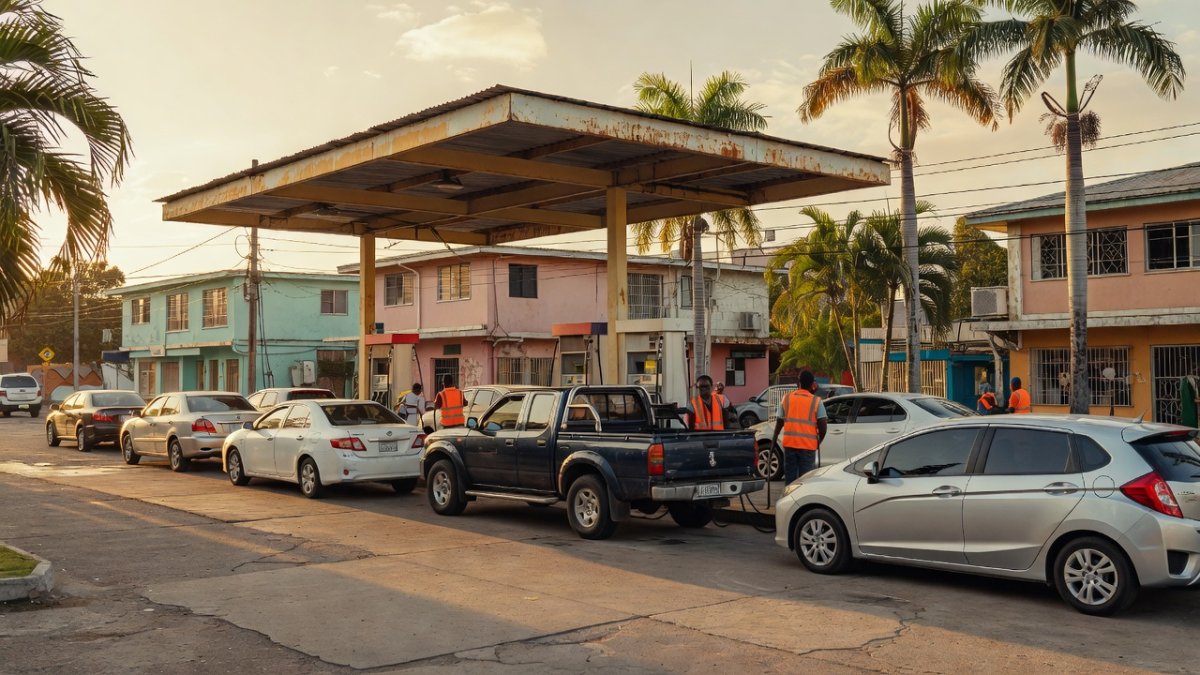
Pump prices in Trinidad and Tobago are expected to ease within the coming fortnight as global crude declines feed through to local terminals. The Ministry of Energy confirmed that super and regular grades could fall by as much as 80 cents per litre once new cargoes arrive. Maxi-taxi operators, who have shouldered rising diesel costs for months, expressed cautious optimism that fare adjustments might soon be possible without eroding already slim margins. Household budgets stand to benefit most directly, with families in east Port of Spain and San Fernando anticipating lower transport and cooking-gas expenses. The Ministry has pledged weekly price bulletins to keep the public informed as the situation evolves. Community leaders in Laventille and Chaguanas have welcomed the potential relief, noting that many residents have cut back on essential journeys because of fuel costs. Supermarket chains have also signalled that delivery charges may moderate, offering indirect savings on groceries. Specific modelling by the Central Bank suggests that a sustained $20-per-barrel drop could shave 1.8 percentage points off headline inflation by year-end. Local credit unions are preparing advisory sessions to help members restructure loan repayments in light of possible cost-of-living improvements. While the full impact will take several weeks to materialise, the mood in markets from Point Fortin to Scarborough is noticeably lighter. The Ministry of Energy continues to coordinate with regional counterparts to ensure equitable distribution of any savings across both islands.
Atlantic LNG and Trinidad's Energy Sector Outlook
The Point Fortin Atlantic LNG facility is poised to gain from steadier feedstock prices and renewed confidence among international buyers. Export contracts that had been under review are now expected to proceed without the previous risk premiums attached to Gulf tensions. Industry revenue projections for the national budget have been revised upward by TT$1.2 billion for the second half of the fiscal year, providing welcome fiscal breathing room. In the context of Petrotrin’s legacy challenges, the deal offers a measure of stability that could protect jobs at the refinery and related service companies. Worker representatives at the Oilfields Workers’ Trade Union have called for transparent communication on how any windfall will be shared. The plant’s three trains are operating near capacity, and managers anticipate that lower input costs will improve margins on long-term sales to European and Asian markets. Job security for the 1,800 direct employees and thousands more in the supply chain looks more assured than it did even a month ago. Government officials have stressed that any additional revenues will be directed toward social programmes and infrastructure renewal in south Trinidad. The energy sector’s contribution to GDP, currently hovering around 35 percent, could strengthen further if global demand remains robust. Local contractors supplying maintenance services have already reported an uptick in inquiries from Atlantic LNG. While challenges around transitioning to renewables persist, the immediate outlook for the Point Fortin complex is markedly brighter following the Hormuz reopening.
Tobago Tourism Sector Eyes a Brighter Season
Airline costs for flights between Trinidad and Tobago are projected to decline modestly as jet-fuel prices soften, offering a lifeline to the island’s tourism recovery. Hotel bookings at Crown Point and along the southwest coast have ticked upward since the agreement news broke, with several properties reporting renewed interest from European tour operators. The Tobago House of Assembly has welcomed the development, noting that peak season from December to April could see occupancy rates climb above 70 percent if fuel savings materialise. Tourism stakeholders emphasise that lower transport costs will make packaged holidays more competitive against other Caribbean destinations. Local vendors selling crafts and food near Pigeon Point are hopeful that increased visitor numbers will boost their livelihoods. The Assembly’s tourism department plans a targeted marketing campaign highlighting Tobago’s pristine beaches and eco-tourism offerings once the price benefits become clearer. Airline representatives have indicated that route expansions may be considered if sustained lower fuel costs continue. Community groups in Charlotteville and Speyside are preparing hospitality training workshops to ensure residents can capitalise on any upswing. While the full seasonal outlook remains subject to global economic conditions, the mood among Tobago’s tourism family is one of guarded optimism.
CARICOM Coordination on Regional Energy Strategy
Energy ministers from across CARICOM are scheduled to convene in Port of Spain next week to discuss collective bargaining strategies in light of the shifting oil landscape. Smaller economies such as Grenada and Saint Lucia stand to gain from coordinated approaches that protect them from price volatility. The regional body has already issued a statement welcoming the US-Iran accord and calling for continued dialogue. Joint procurement mechanisms for refined products are under active consideration, which could yield further savings for member states. Trinidad and Tobago’s leadership role in these discussions underscores its position as the Caribbean’s primary energy producer. Officials stress the importance of shielding the most vulnerable economies from any residual market turbulence. Technical working groups will examine options for strategic reserves and shared shipping arrangements. The upcoming ministerial meeting is expected to produce a joint communiqué outlining concrete steps for regional energy security. Smaller islands particularly appreciate the solidarity, recognising that unified voices carry greater weight in international forums.
Hurricane Season and Food Security Concerns
As the Atlantic hurricane season intensifies, Caribbean small island developing states remain acutely vulnerable to supply-chain disruptions that could still arise despite the Hormuz reopening. Shipping costs for imported food staples have already begun to moderate, yet supermarket prices in Trinidad and Tobago may take another month to reflect the full benefit. The Ministry of Agriculture has activated contingency plans that include diversified sourcing from Latin American partners less exposed to Gulf routes. Community food-security networks in rural areas are stockpiling non-perishables in anticipation of any late-season storms. Officials emphasise that lower fuel prices will help reduce the cost of cold-chain logistics, preserving fresh produce during transit. Supermarket associations have pledged to pass on savings promptly to consumers. Regional disaster-management agencies are coordinating closely to ensure that any weather-related interruptions do not erase the gains from the energy accord. Public education campaigns are underway to encourage household-level preparedness alongside the positive economic signals.
What Happens Next for the Region
Full reopening of the Strait of Hormuz is anticipated by Friday, 21 June, following final technical clearances. Subsequent rounds of talks on Iran’s nuclear programme are expected to begin in Vienna within the month, aiming for a more comprehensive framework by year-end. Long-term stability in the Gulf would offer Caribbean nations a rare window to strengthen energy resilience and diversify their economies. For Trinidad and Tobago, the outlook includes potential new investment in downstream industries and renewed focus on sustainable development. Regional partners will continue monitoring compliance closely while preparing for both opportunities and residual risks. The coming weeks will reveal how swiftly the benefits reach ordinary citizens in communities from Mayaro to Mason Hall.
By Sharon Sahatoo, Staff Writer
META TITLE: US-Iran Deal Brings Relief to Trinidad and Tobago Fuel Costs META DESCRIPTION: Preliminary US-Iran accord reopens Strait of Hormuz, promising lower pump prices and steadier energy revenues for Trinidad and Tobago households and businesses. META KEYWORDS: US Iran agreement, Strait of Hormuz, Trinidad fuel prices, Atlantic LNG, CARICOM energy, Tobago tourism, Brent crude, Point Fortin, maxi taxi fares, hurricane season, food security, nuclear programme, G7 summit, Pakistan mediation, Caribbean outlookThis article was produced with AI-assisted research and editorial support. Reporting is based on sources cited in the article.
What's Your Reaction?
 Like
0
Like
0
 Dislike
0
Dislike
0
 Love
0
Love
0
 Funny
0
Funny
0
 Wow
0
Wow
0
 Sad
0
Sad
0
 Angry
0
Angry
0

Caribbean Correspondent at Global1.News. Based in Port of Spain, Trinidad, covering Caribbean politics, economy, energy, climate, and culture. Amplifying the voices and stories of the Caribbean region.















Comments (0)