
Ukraine-Russia war latest: Russian oil depot and tanker struck by drones in ‘massive attack’ by Kyiv
In the continuing conflict between Russia and Ukraine, reports of targeted strikes on energy facilities underscore the persistent vulnerability of critical infrastructure and the shifting dynamics of aerial operations that could influence both military calculations and wider economic pressures across Europe.
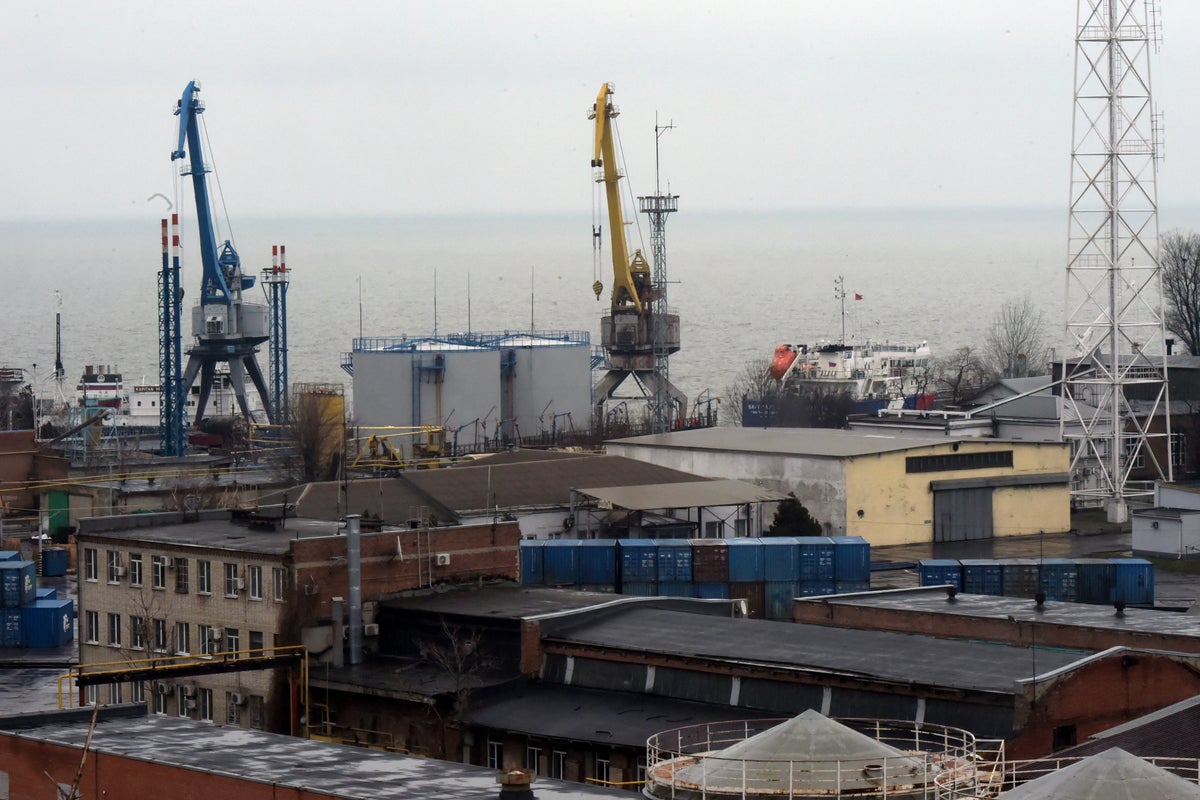
Authorities in Russia’s southern regions of Rostov and Krasnodar stated on Saturday that Ukrainian drones had struck a tanker at the port of Taganrog overnight and had also hit an oil depot in the city of Armavir. These incidents form part of a pattern of long-range unmanned aerial activity that has become increasingly prominent in recent phases of the war.
Reported Incidents at Taganrog and Armavir
The strikes occurred during the hours of darkness, with one drone reportedly impacting a vessel at the Taganrog facility on the Sea of Azov and another affecting storage infrastructure at Armavir in Krasnodar region. Russian regional authorities confirmed the locations and described the events as attacks by Ukrainian drones. No further operational specifics have been released by the sources cited in available reporting. Such actions against port and storage sites illustrate the reach that Ukrainian forces have developed for unmanned systems, allowing strikes hundreds of kilometres inside Russian territory. The choice of energy-related targets aligns with efforts to disrupt logistics chains that support military and civilian needs.Background to the Ukraine-Russia Conflict
The war, now in its third year, has seen both sides employ a widening array of weapons systems, including increasingly sophisticated drones. Ukraine has relied on domestically produced and adapted unmanned aerial vehicles to conduct operations beyond the immediate front lines, while Russia has used similar technology alongside missiles for strikes on Ukrainian cities and energy networks. The Sea of Azov and surrounding southern Russian regions have featured repeatedly in reporting of cross-border activity because of their proximity to occupied areas of Ukraine and their role in maritime transport. Ports such as Taganrog provide access to inland waterways and coastal routes, making them strategically relevant for the movement of goods, including petroleum products. Armavir lies further inland within Krasnodar region, an area known for agricultural and industrial activity. The presence of an oil depot there indicates the dispersed nature of energy storage across Russia’s southern districts, which can serve both local consumption and wider distribution networks.Implications for Energy Security and Regional Stability
Attacks on oil storage and tanker facilities carry the potential to affect supply routes and local availability, even if immediate global market effects remain limited. Disruptions at individual depots can create temporary shortages or require rerouting, adding logistical strain during winter months when demand for heating fuel rises. For Ukraine, demonstrating the capacity to reach such sites serves as a signal of resilience and an attempt to impose costs on Russian military sustainment. For Russia, the incidents highlight ongoing challenges in defending extensive rear-area infrastructure against low-cost, long-range threats. European observers continue to monitor these developments closely because any sustained interference with Russian energy exports or internal distribution could influence prices and availability on the continent, particularly as countries seek to diversify away from previous dependencies.Evolving Use of Drone Technology
The reported strikes reflect broader trends in the conflict where unmanned systems have moved from tactical battlefield roles to strategic deep-strike missions. Both sides have invested in countermeasures, including electronic jamming and air-defence adjustments, yet the low cost and producibility of drones make them difficult to neutralise entirely. Ukrainian operations of this type have increased in frequency and range over successive months, enabled by improvements in navigation and payload capacity. Russian authorities have responded by strengthening protection around key installations, though the geography of the country makes comprehensive coverage a complex undertaking. These technological shifts carry lessons for other militaries observing the conflict, particularly regarding the defence of dispersed civilian and commercial infrastructure that may not have been designed with such threats in mind.Outlook and Next Developments
Further incidents involving unmanned aerial systems are likely as winter progresses and both sides seek to maintain pressure. The extent to which Ukrainian forces can sustain operations against Russian rear areas will depend on production rates, supply of components, and the effectiveness of Russian defensive adaptations. Regional authorities in Rostov and Krasnodar have indicated that assessments of damage and any required repairs are under way. International attention remains focused on whether these strikes prompt changes in Russian operational priorities or elicit responses elsewhere along the front. Continued reporting from independent sources will be essential to track the cumulative impact of such activity on the wider conduct of the war.By Erica Thornton, Staff Writer
This article was produced with AI-assisted research and editorial support. Reporting is based on sources cited in the article.
What's Your Reaction?
 Like
0
Like
0
 Dislike
0
Dislike
0
 Love
0
Love
0
 Funny
0
Funny
0
 Wow
0
Wow
0
 Sad
0
Sad
0
 Angry
0
Angry
0

Erica Thornton
US Politics and Policy Correspondent at Global1.News. Based in Washington DC, covering American politics, policy, elections, and the courts. Knows how the system works and tells you what it actually means.















Comments (0)