
Ukraine's Drone Assault on Crimea Fuel Lines Exposes Moscow's Fragile Grip
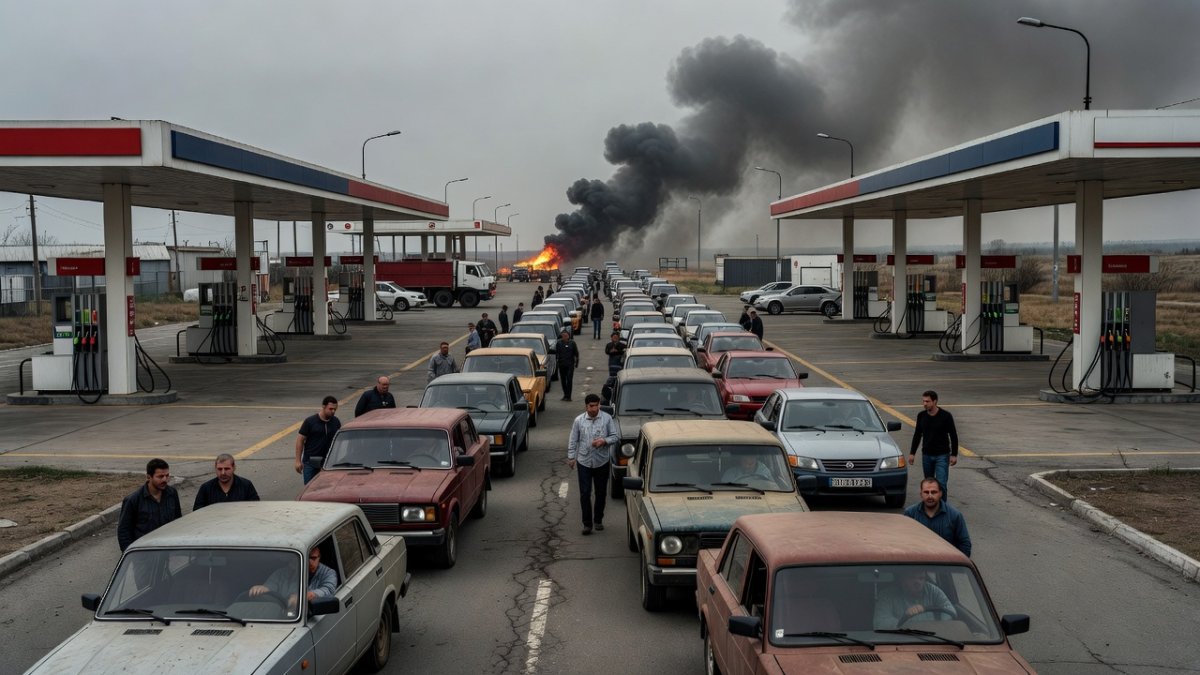
Ukraine's Drone Assault on Crimea Fuel Lines Exposes Moscow's Fragile Grip The Current Crisis Ukrainian drone strikes on refineries, depots, pipelines, and fuel convoys have choked fuel supplies to Russian-held Crimea, according to multiple verified reports. NBC News reported on June 12 that attacks on the R-280 highway triggered a growing fuel crisis on the peninsula. This dir
The Current Crisis
Ukrainian drone strikes on refineries, depots, pipelines, and fuel convoys have choked fuel supplies to Russian-held Crimea, according to multiple verified reports. NBC News reported on June 12 that attacks on the R-280 highway triggered a growing fuel crisis on the peninsula. This direct targeting of supply routes leaves Russian forces scrambling without reliable alternatives.
AP reported on June 11 that Ukraine hit fuel supplies to Crimea, sparking a fuel crisis on the Russian-held peninsula. The strikes focus on the main land bridge, cutting off steady deliveries that Moscow once took for granted. Local operations now face immediate constraints that were not present months earlier.
NYT reported on June 17 that Ukraine is sending fuel trucks up in flames to cut off Crimea. These actions target the infrastructure sustaining Russian positions, forcing reroutes that prove slower and more vulnerable. The result is a tightening noose around daily logistics.
WSJ reported on June 20-21 that Russia faces spreading fuel shortages after Ukrainian drones pummel refineries. This pattern shows sustained pressure rather than isolated incidents. Russian-held areas must now operate under conditions they previously dismissed as temporary.
The Scale of the Shortage
Ukraine cut Russian supplies to Crimea by two-thirds, as reported by Reuters, AP, and NYT. This reduction stems directly from repeated drone strikes on key transport corridors. The scale leaves Russian authorities without enough volume to maintain pre-strike distribution levels.
Reuters reported on June 1 that Crimea's largest gas station chain suspended fuel vouchers as the shortage worsens. This move signals that even basic allocation systems can no longer function. Cash sales of gasoline were also suspended in some areas, per Reuters and Moscow Times.
AP and LA Times described the situation as the worst gasoline crisis since the 2014 annexation. The comparison highlights how current shortages exceed earlier disruptions in duration and reach. Local authorities warn the shortage could last at least another month, according to AP and Moscow Times.
BBC reported on June 9 that Russia's fuel crisis intensifies as Ukraine steps up strikes. The cumulative effect across multiple facilities creates a shortfall that single repairs cannot resolve quickly. Every verified source ties the drop in volume to ongoing Ukrainian operations on the R-280.
Daily Life in Crimea
Residents face suspended fuel vouchers from the largest gas station chain, as noted by Moscow Times and Reuters on June 1. This change disrupts routine travel and small business operations that depend on steady access. Lines form where limited cash sales remain available.
Tourism has been severely impacted in Crimea, according to NYT and LA Times. Visitors encounter restricted mobility because of the same supply cuts affecting locals. The peninsula's role as a destination now collides with the practical limits imposed by drone strikes on the R-280 highway.
Local warnings indicate the shortage could extend another month, per AP and Moscow Times. Families and workers must adjust schedules around fuel availability rather than demand. These adjustments reflect the direct outcome of Ukrainian strikes on fuel convoys and depots.
Cash sales restrictions compound the voucher suspension in affected zones. Moscow Times and Reuters confirm these measures were enacted after supplies fell sharply. Daily routines that once relied on predictable refueling now require advance planning or outright cancellation.
Moscow's Response
Russian forces banned military cargo from the R-280 after drone strikes, according to WSJ and Moscow Times. This order acknowledges that the main land bridge can no longer guarantee safe passage for essential shipments. Alternative routes add time and exposure.
Authorities have not restored full access despite the ban. The decision follows sustained Ukrainian drone activity on the highway, as reported by NBC News on June 12. Military logistics now compete with civilian needs under tighter constraints.
NYT reporting from June 17 shows continued targeting of fuel trucks along the same corridor. Moscow's adjustments remain reactive rather than preventive. Each new restriction traces back to verified losses on the R-280 and connected pipelines.
WSJ coverage on June 20-21 links these bans to broader refinery damage. Russian commanders prioritize protecting remaining assets over restoring normal traffic. The pattern reveals a defensive posture shaped entirely by Ukrainian strike results.
Spreading Beyond Crimea
The crisis is spreading to other Russian-held territories, per WSJ and BBC. Fuel shortfalls that began on the peninsula now affect adjacent areas dependent on the same supply lines. BBC noted on June 9 that Ukraine's stepped-up strikes are driving this expansion.
AP reporting from June 11 already flagged early signs of wider disruption. Strikes on refineries and depots reduce the total pool available for redistribution. Neighboring zones inherit the same two-thirds cut documented by Reuters, AP, and NYT.
WSJ on June 20-21 described shortages moving outward from Crimea after repeated drone hits. Russian-held regions share the same vulnerable highway network. The spread follows the geography of the original supply routes rather than random chance.
BBC and WSJ both tie the intensification to ongoing Ukrainian operations. No new infrastructure has offset the losses on the R-280. The result is a widening zone where fuel access remains curtailed.
The Strategic Shift
Ukraine's focus on the R-280 "Novorossiya" highway as the main land bridge has forced Russian forces into a defensive ban on military cargo, according to NBC News and NYT. This change marks a clear departure from earlier assumptions of secure overland access. Strikes continue to target the corridor.
NYT reported on June 17 that fuel trucks are being sent up in flames to isolate Crimea. The strategy prioritizes sustained pressure on logistics over single decisive blows. Russian responses remain limited to rerouting and restrictions.
WSJ coverage confirms that refinery damage compounds the highway attacks. Ukrainian operations now address both transport and storage nodes. The combined effect produces the two-thirds supply reduction cited across Reuters, AP, and NYT.
NBC News on June 12 documented the initial trigger on the R-280. Subsequent reports from AP and BBC show the approach has scaled. Moscow's showcase territory now operates under conditions dictated by these verified strikes.
A Blow to Moscow's Showcase
Crimea was meant to demonstrate stable Russian control, yet the fuel crisis contradicts that narrative. AP and LA Times both frame the current shortage as the worst since 2014. Tourism and local commerce suffer directly from the documented supply cuts.
Reuters reported on June 1 that the largest gas station chain suspended vouchers. This practical failure undercuts claims of reliable administration. Moscow Times confirms cash sales limits followed the same supply collapse.
NYT and LA Times note the tourism impact as visitors confront the same shortages. The R-280 strikes, per NBC News, removed the reliable land bridge that supported visitor traffic. Russian authorities warn of at least another month of constraints.
WSJ and BBC describe the crisis moving beyond the peninsula. The showcase status erodes as shortages spread through the same networks Moscow once controlled. Every restriction traces to Ukrainian drone activity on refineries and highways.
The Bottom Line
Ukrainian drone strikes have reduced Russian fuel supplies to Crimea by two-thirds, with attribution from Reuters, AP, and NYT. The R-280 highway remains under sustained attack, prompting a military cargo ban confirmed by WSJ and Moscow Times. These facts leave no room for claims of uninterrupted control.
Local gas stations suspended vouchers and cash sales, per Reuters and Moscow Times on June 1. Authorities project the shortage lasting another month, according to AP and Moscow Times. Tourism and daily movement have contracted sharply.
The crisis has spread to other Russian-held territories, as reported by WSJ and BBC on June 9. Refinery and convoy strikes continue to tighten the available pool. No verified repair has restored prior volumes.
Moscow's responses consist of bans and restrictions rather than restored capacity. The worst shortage since 2014, documented by LA Times and AP, now defines conditions on the peninsula. Ukrainian operations on the documented targets have produced measurable, ongoing effects.
By Jessica Ali, Staff WriterThis article was produced with AI-assisted research and editorial support. Reporting is based on sources cited in the article.
What's Your Reaction?
 Like
0
Like
0
 Dislike
0
Dislike
0
 Love
0
Love
0
 Funny
0
Funny
0
 Wow
0
Wow
0
 Sad
0
Sad
0
 Angry
0
Angry
0

Editor-in-Chief at Global1.News. Atlanta-based journalist who cuts through the BS and tells it like it is. Lead anchor, host, and the voice you hear when the spin stops and the truth starts.











Comments (0)