
The crisis at Tnuva: The technicians refuse to come to Israel
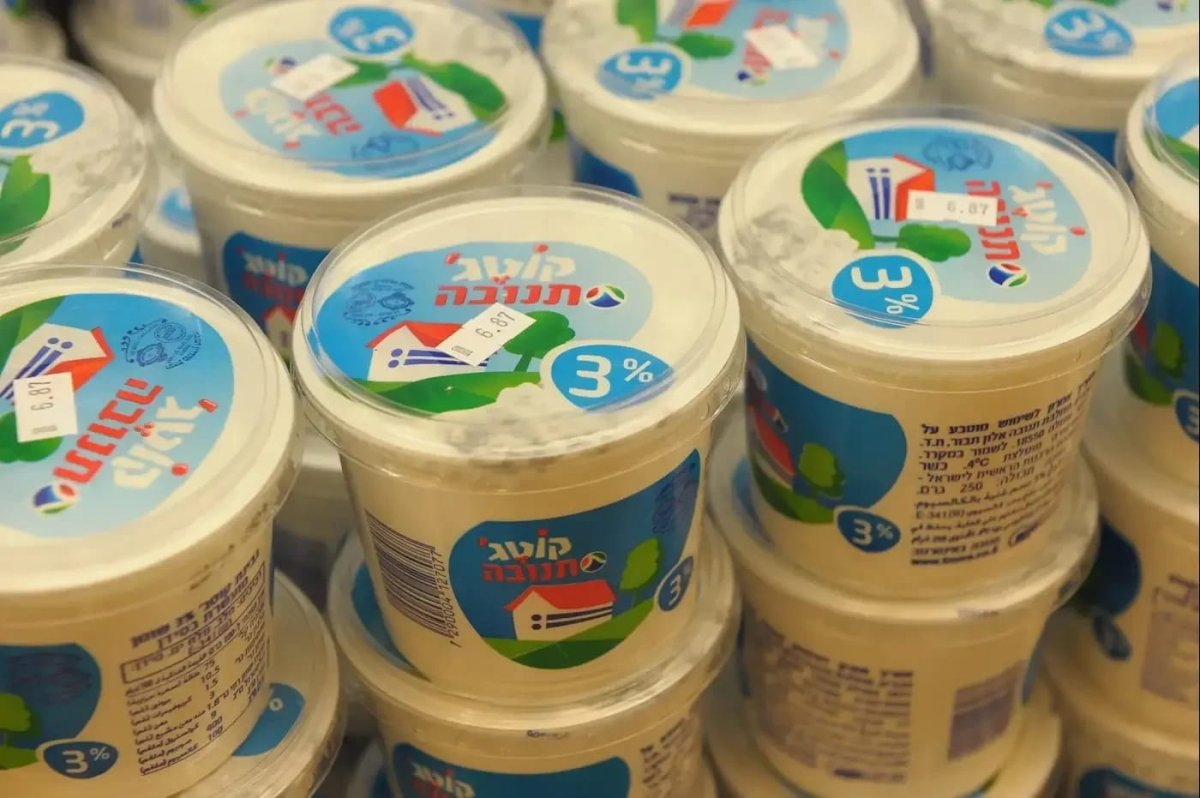
<h2>The Ongoing Cottage Cheese Shortage Affecting Israeli Households</h2> <p>Israeli consumers across the country have encountered persistent difficulties finding cottage cheese on supermarket shelves in recent months. The issue stems from a logistics breakdown at Tnuva's Alon Tavor dairy plant rather than any interruption in production itself. Production lines at the facility continue to operate normally, packaging cottage cheese in standard volumes. Yet the finished goods remain trapped inside

The Ongoing Cottage Cheese Shortage Affecting Israeli Households
Israeli consumers across the country have encountered persistent difficulties finding cottage cheese on supermarket shelves in recent months. The issue stems from a logistics breakdown at Tnuva's Alon Tavor dairy plant rather than any interruption in production itself. Production lines at the facility continue to operate normally, packaging cottage cheese in standard volumes. Yet the finished goods remain trapped inside the automated warehouse system, unable to reach distribution trucks or retail outlets.
This situation highlights how even routine consumer products can become entangled in broader security and operational challenges. Residents in Tel Aviv, Jerusalem, and other urban centers report empty dairy sections during regular shopping trips. The shortage remains confined mainly to cottage cheese, with milk, white cheese, and yogurt supplies holding steady at most locations.
Technical Malfunction at the Alon Tavor Automated Warehouse
The core problem lies in a computer system failure within the warehouse managed by international automation company Dematic. This system controls pallet movement and truck loading operations. When the glitch occurred, large quantities of packaged cottage cheese could not be retrieved or dispatched, leaving inventory stranded despite ongoing output from the production floor.
Tnuva personnel have attempted manual interventions to bypass the automation. However, the highly mechanized design of the warehouse limits the effectiveness of these workarounds. Industry officials note that the facility was built for efficiency through robotics and software, making human-scale adjustments slow and incomplete. The malfunction has now persisted beyond one month without full resolution.
Security Situation Delays Arrival of Specialized Technicians
Repairs require expertise from Dematic technicians based overseas. These specialists have declined to travel to Israel because of the current security environment. Without their on-site presence, Tnuva cannot fully restore the warehouse controls. Company representatives confirm that remote troubleshooting has proven insufficient for this type of complex automation issue.
The refusal of foreign personnel to enter the country reflects wider patterns seen across multiple sectors. Similar hesitations have affected other technical services and maintenance operations in recent periods. This dynamic adds another layer of friction to daily economic activity in Israel, where reliance on international expertise remains common in advanced manufacturing and logistics.
Increased Domestic Demand Compounds Supply Pressures
Alongside the warehouse problem, demand for dairy products has risen by roughly four percent since the start of the year. Fewer Israelis have traveled abroad amid ongoing security concerns, leading to higher consumption within the country. This shift has placed additional strain on available stocks of cottage cheese once the logistics failure took hold.
Households in the north and central regions, including areas near Haifa and the Jezreel Valley close to Alon Tavor, feel the effects most directly during weekly grocery runs. The combination of trapped inventory and elevated local purchasing has extended the duration of empty shelves beyond what a simple production shortfall would cause.
Company Position and Rejection of Speculation
Tnuva officials have dismissed suggestions that the shortage was created deliberately to influence consumer choices toward alternative items. They emphasize that the company incurs financial losses on every unsold container of cottage cheese. The focus remains on restoring normal operations rather than any strategic redirection of sales.
Importing cottage cheese from abroad is viewed as impractical. The product holds a distinct formulation tied to local tastes and production methods not commonly replicated elsewhere. This uniqueness prevents quick substitution through foreign suppliers, keeping the resolution dependent on fixing the domestic logistics chain.
Expected Timeline for Restoring Regular Deliveries
Company statements indicate that regular deliveries could resume within approximately two weeks once technicians address the system. Full restocking of supermarket shelves may require several additional weeks beyond that point. Officials caution that exact dates remain uncertain given the ongoing need for overseas expertise.
Consumers in cities such as Be'er Sheva and Netanya continue to monitor availability during this period. The episode underscores how security conditions intersect with everyday supply chains, affecting items central to Israeli diets. Tnuva continues to explore interim measures while awaiting the arrival of Dematic specialists.
By Hannah Berg, Staff WriterWhat's Your Reaction?
 Like
0
Like
0
 Dislike
0
Dislike
0
 Love
0
Love
0
 Funny
0
Funny
0
 Wow
0
Wow
0
 Sad
0
Sad
0
 Angry
0
Angry
0














Comments (0)