
Threads of Teranga: African World Cup Shirts & Stories
(Global 1 News) The Threads of Teranga Woven Through African Football As a Senegalese woman who grew up watching matches under the mango trees in Dakar, I have always felt that football shirts carry more than fabric and colour. They hold our stories, our ancestors' pride, and the quiet strength we pass from one generation to the next. When African teams step onto the World Cup
(Global 1 News)
The Threads of Teranga Woven Through African Football
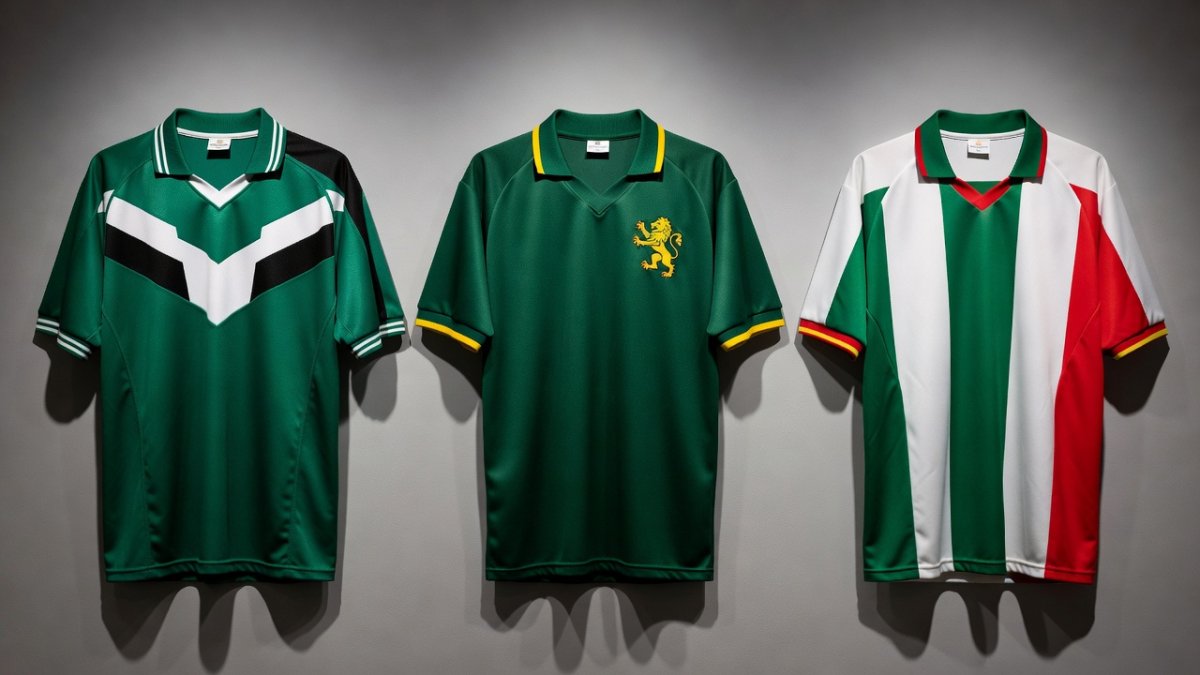
As a Senegalese woman who grew up watching matches under the mango trees in Dakar, I have always felt that football shirts carry more than fabric and colour. They hold our stories, our ancestors' pride, and the quiet strength we pass from one generation to the next. When African teams step onto the World Cup stage, their kits speak of where we come from and where we are going. In Senegal we say that to move forward you must first look back, and these iconic shirts let us do exactly that while celebrating the continent's shared joy.
Zaire 1974 and Algeria 1982: Bold Beginnings from the Heart of the Continent
The oldest and perhaps most daring of them all remains Zaire's 1974 kit, a striking vision in yellow and green that carried both the country's name and the Leopards nickname and logo across the chest. Congolese designer Alvin Junior Mak, who recently went viral for the current squad's leopard-print arrival suits, returned to those 1974 fashions for inspiration. "When you are in Africa, we say if you want to move forward, you have to see where you come from," he told BBC Sport Africa. That same respect for roots echoes in every Senegalese household where elders remind us of our lineage before we chase new dreams.
Algeria's 1982 shirt carried its own quiet power, a shiny beauty marked by a deep neck and generous collar. Produced by the state-owned firm Sonitex during the country's socialist era, the design now lives freely because the company no longer exists. Algerian sports journalist Maher Mazahi noted, "The company is defunct now, so there's no copyright protection on the design, hence many smaller clothing companies copying and selling it in Algeria and to the diaspora. That's also one of the reasons it's so popular among our football hipsters." In Dakar markets I see similar echoes when young people proudly wear faded replicas of past Senegalese kits, keeping memory alive through everyday wear.
Cameroon's Lions Roaring Across Two Eras
Cameroon 1990 brought the world an unforgettable lion roaring across the chest, a symbol of pride, courage and determination as explained by Paul Njie of the BBC World Service in Yaounde. That shirt carried the Indomitable Lions to the quarter-finals, Africa's first such achievement. President Paul Biya called 38-year-old Roger Milla out of retirement, and the veteran scored four goals while dancing his famous corner-flag wiggle. The image still warms Senegalese hearts because it reminds us that wisdom and experience belong on the pitch just as much as youthful fire.
Twelve years later, Cameroon 2002 introduced a basketball-style sleeveless vest that first appeared during their Africa Cup of Nations triumph. Midfielder Eric Djemba-Djemba recalled the moment: "The players didn't know we would play with a shirt with no sleeves. When we came to the dressing room we said, 'Wow, this is a new generation of shirt'. When we went on to the pitch the world was watching and it became famous." FIFA later required black sleeves for the World Cup, yet the original sleeveless version remains a beloved symbol of bold reinvention, much like the way Senegalese tailors adapt traditional boubou styles into modern football wear.
Nigeria's Super Eagles and South Africa's Geometric Joy
Nigeria 1994 set a new standard the moment the Super Eagles appeared. Rashidi Yekini, Daniel Amokachi and Emmanuel Amunike scored in victories over Bulgaria and Greece while wearing the away colours. Former captain William Troost-Ekong captured its lasting magic: "We see the legends, the players that made the difference for Nigerian football, and if I close my eyes that's the first shirt that comes to mind." That same feeling lives in Senegal whenever we remember our own 2002 heroes; certain shirts become family heirlooms passed between cousins.
South Africa 1998 offered a geometric update on the beloved 1996 Africa Cup of Nations shirt. Josh Warwick of Cult Kits observed, "These days South Africa tend to wear yellow, but back in the 1990s their shirts were much more fun. In our opinion, Kappa were one of the great brands from that era." The playful patterns remind me of the vibrant wax prints our mothers drape across their shoulders during family gatherings, turning everyday cloth into celebration.
(Global 1 News)
Senegal 2002: The Shirt That Still Beats in Our Chests
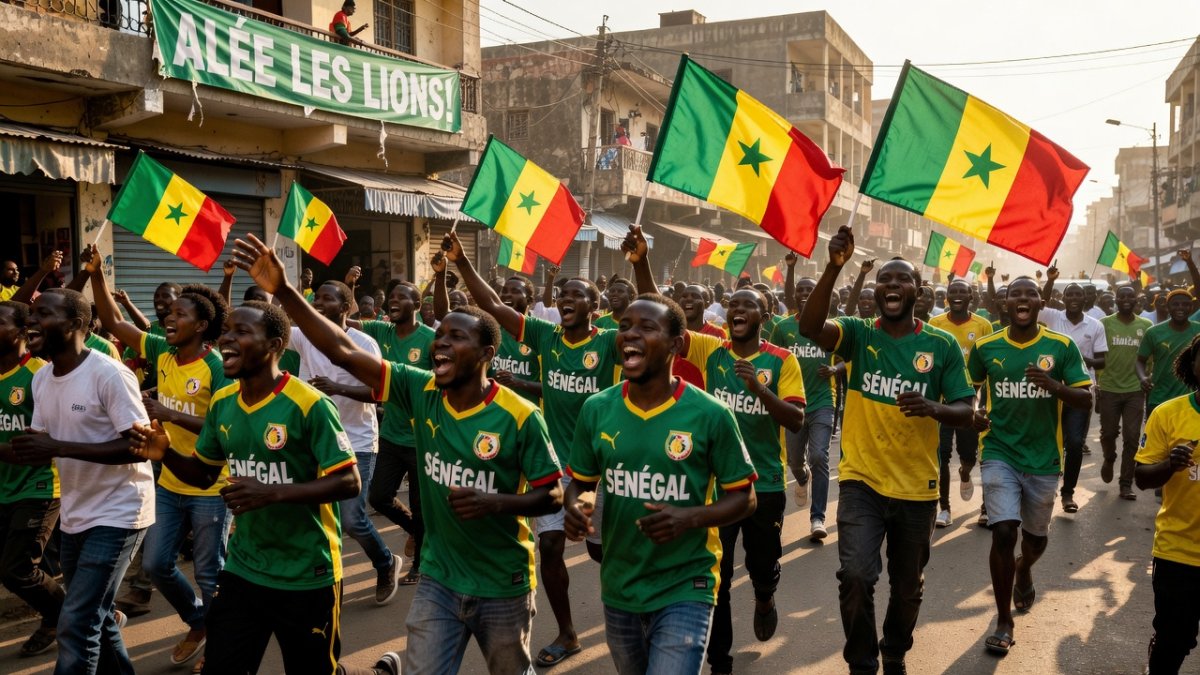
No kit sits closer to my own heart than Senegal 2002. The Teranga Lions shocked the holders France 1-0 in Seoul, with Papa Bouba Diop scoring the winner. The giant midfielder earned the nickname "The Wardrobe" for his imposing presence. Fan Mamour Insa, following the team in New York at the current World Cup, spoke for many of us: "Of all our kits, 2002 is the best. All our generation, they wear just that kit. A lot of young people wear it more than new designs. It is very difficult to find." In Dakar streets you still see young men and women in those green, yellow and red jerseys, the colours of our flag and our hospitality. The shirt carries the spirit of teranga itself, welcoming the world while standing tall for our nation.
Ghana's Bright Stars and the Spiderweb of Tomorrow
Ghana 2010 brought a bright sensation that carried the Black Stars within touching distance of Africa's first World Cup semi-final. After Uruguay's Luis Suarez was sent off, Asamoah Gyan's penalty struck the bar. Michael Essien remembered its emotional weight: "Once the fans see it, they remember the Uruguay game. I think it was a great shirt, the players loved it." That near-miss still stirs conversations under Senegalese night skies, where we discuss what might have been while honouring the courage shown.
Looking ahead, Ghana 2026 features a colourful spiderweb design honouring Kwaku Ananse, the trickster spider of Ghanaian folklore. FIFA has ruled the Black Stars will not wear their home strip in the group stage, yet the shirt already feels destined for legend. Like the Ananse tales our griots tell, it weaves cleverness and heritage into one garment, reminding us that African stories continue to shape the world's game.
The Enduring Fabric of Our Shared Pride
Nigeria 2018 added another neon-green classic that broke the internet and created long queues outside shops. Elements in the Nike design paid tribute to the 1994 kit, closing a circle from Nigeria's first World Cup appearance. Troost-Ekong and his teammates wore it during their 2-0 win over Iceland. Each of these shirts, from Zaire's leopards to Ghana's spiderweb, carries the same message we hold dear in Senegal: our colours are not merely worn, they are lived. They connect us across borders, generations and oceans, stitching together a continent that continues to offer the world its warmth, its rhythm and its unbreakable spirit.
By Amara Diop, Staff WriterThis article was produced with AI-assisted research and editorial support. Reporting is based on sources cited in the article.
What's Your Reaction?
 Like
0
Like
0
 Dislike
0
Dislike
0
 Love
0
Love
0
 Funny
0
Funny
0
 Wow
0
Wow
0
 Sad
0
Sad
0
 Angry
0
Angry
0

Canada Correspondent at Global1.News. Based in Toronto, covering Canadian politics, energy, trade, and US-Canada relations. Provides the Canadian perspective on North American and global affairs.









Comments (0)