
The AI-generated movie set to raise eyebrows at major film festival
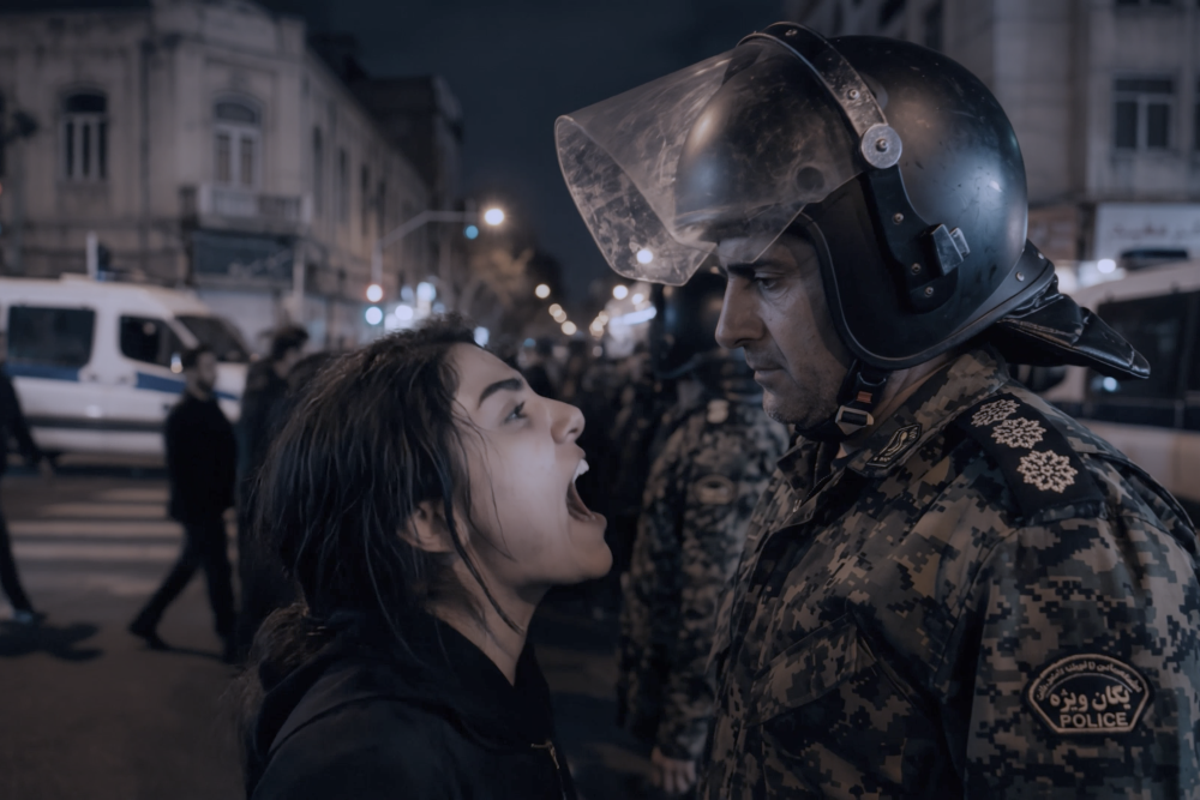
AI-Generated Film to Premiere at Cannes, Igniting Fierce Debate on Cinema's Soul
The Cannes Film Festival has long been the stage for cinematic provocations, yet this year's selection promises to test the boundaries of art itself. An entirely AI-generated feature, titled Synthetic Reverie, will screen in the Directors' Fortnight section, marking the first time a film crafted without human actors, writers or directors has secured such a prominent slot. The announcement, made this morning by festival organisers, has already sent ripples through the industry.
The Film and Its Creation
Synthetic Reverie runs 98 minutes and weaves a narrative of memory, loss and digital resurrection in a near-future London. Every frame, line of dialogue and musical cue emerged from a proprietary system developed by London-based studio Aether Labs. The tool ingested millions of hours of existing cinema, literature and oral histories before generating the script, casting virtual performers and rendering scenes in photorealistic detail. No human performed on set; instead, the AI simulated facial expressions, lighting and camera movements drawn from its training corpus.
Studio founder Dr Lena Voss, who oversaw the project's parameters, described the process as “a collaboration between code and collective human imagination.” She emphasised that the system was instructed to avoid direct replication of any single existing work. The result, she claims, offers emotional nuance that traditional VFX pipelines struggle to match at this scale.
Industry Reactions and Sharp Divisions
Initial responses from filmmakers have been predictably polarised. Acclaimed British director Steve McQueen, whose own work often explores themes of identity, called the development “fascinating yet deeply unsettling.” In a statement released through his production company, he questioned whether a machine can authentically portray the lived experience of grief that underpins the film’s central arc.
Conversely, some younger creators see opportunity. Rising screenwriter Priya Patel, whose debut feature premiered at last year’s festival, argues that AI tools could democratise production for those without access to large budgets. “The barrier to entry has always been money and connections,” she told Global1 News. “If this technology lowers those walls responsibly, it might allow more diverse voices to reach the screen.”
Festival director Thierry Frémaux defended the programming choice, noting that Cannes has historically embraced technological shifts—from the arrival of sound to the digital revolution. “We programme cinema that challenges,” he said. “This is no different.”
Ethical and Legal Fault Lines
Beneath the artistic arguments lie thorny questions of copyright and consent. Aether Labs trained its model on publicly available films and licensed archives, yet several guilds have already signalled intent to investigate whether residual payments or clearances were properly handled. The Writers’ Guild of Great Britain has demanded transparency on the precise datasets used, warning that unchecked scraping risks devaluing human labour.
Data from the UK Intellectual Property Office shows a 340% rise in AI-related copyright queries since 2022. Legal experts anticipate test cases emerging within months. “The law currently treats authorship as a human endeavour,” explains Professor Marcus Hale of King’s College London. “Once that assumption fractures, entire revenue models in film, music and publishing will require urgent recalibration.”
Broader Context: AI’s March Through the Arts
This is not an isolated experiment. Last year’s Venice Biennale featured AI-generated installations that drew record crowds, while music platforms now host millions of algorithmically composed tracks. The global AI creative tools market is projected to reach £15.2 billion by 2028, according to research firm Statista. Film, long protected by high production costs, now faces the same disruption that photography experienced in the nineteenth century.
Yet history also offers cautionary tales. When colour film arrived, many predicted the death of black-and-white artistry; instead, both forms flourished. The sharper concern today centres on authenticity. Audiences have already grown wary of deepfakes; a fully synthetic feature risks eroding trust in what they see on screen.
Implications for the Future of Storytelling
If Synthetic Reverie receives positive reviews, it could accelerate investment in AI-first productions. Studios are already quietly experimenting with AI-assisted editing and pre-visualisation. Should the film flop or provoke widespread backlash, the technology may retreat to supporting roles rather than centre stage.
What remains certain is that the conversation has shifted from “if” to “how.” Regulators in Brussels are drafting the EU AI Act with specific clauses on generative media. The UK government’s creative industries strategy, published last month, allocates £50 million for ethical AI research in the arts. Audiences, meanwhile, will decide with their attention whether machine-made stories resonate or repel.
The Cannes screening on 20 May will serve as an early referendum. Whatever the verdict, cinema’s relationship with technology has entered a new, unpredictable chapter—one where the author may no longer be human.
This is Erica Thornton for Global1 News, reporting from London. 🇬🇧
This article was produced with AI-assisted research and editorial support. Reporting is based on sources cited in the article.
What's Your Reaction?
 Like
0
Like
0
 Dislike
0
Dislike
0
 Love
0
Love
0
 Funny
0
Funny
0
 Wow
0
Wow
0
 Sad
0
Sad
0
 Angry
0
Angry
0

US Politics and Policy Correspondent at Global1.News. Based in Washington DC, covering American politics, policy, elections, and the courts. Knows how the system works and tells you what it actually means.











Comments (0)