
Starmer Resignation: Burnham Poised as Next Prime Minister
Sir Keir Starmer has resigned as Labour leader and prime minister after less than two years in office, triggering a leadership contest that is widely expected to install Andy Burnham as the country's next prime minister. The announcement, delivered from the steps of 10 Downing Street on Monday 22 June, marks the sixth change of prime minister in seven years and sets in motion a
Sir Keir Starmer has resigned as Labour leader and prime minister after less than two years in office, triggering a leadership contest that is widely expected to install Andy Burnham as the country's next prime minister. The announcement, delivered from the steps of 10 Downing Street on Monday 22 June, marks the sixth change of prime minister in seven years and sets in motion a compressed timetable that will see nominations open on 9 July and conclude before the summer recess.
Starmer Resignation: Burnham Poised as Next Prime Minister as Labour Opens Leadership Contest
London, UK – 22 June 2026 —
Starmer Announces Resignation Outside No 10
Keir Starmer stood outside Downing Street on 22 June 2026 and confirmed he would resign as Labour leader and prime minister. He listed achievements from his landslide victory less than two years earlier and confirmed nominations would open on 9 July. Starmer became emotional when he thanked his wife and children for their support during his time in office. The announcement came days after Labour suffered heavy losses in the May 2026 local elections. Six prime ministers have now held office in seven years: Cameron, May, Johnson, Truss, Sunak and Starmer. Starmer will remain in post until the contest concludes.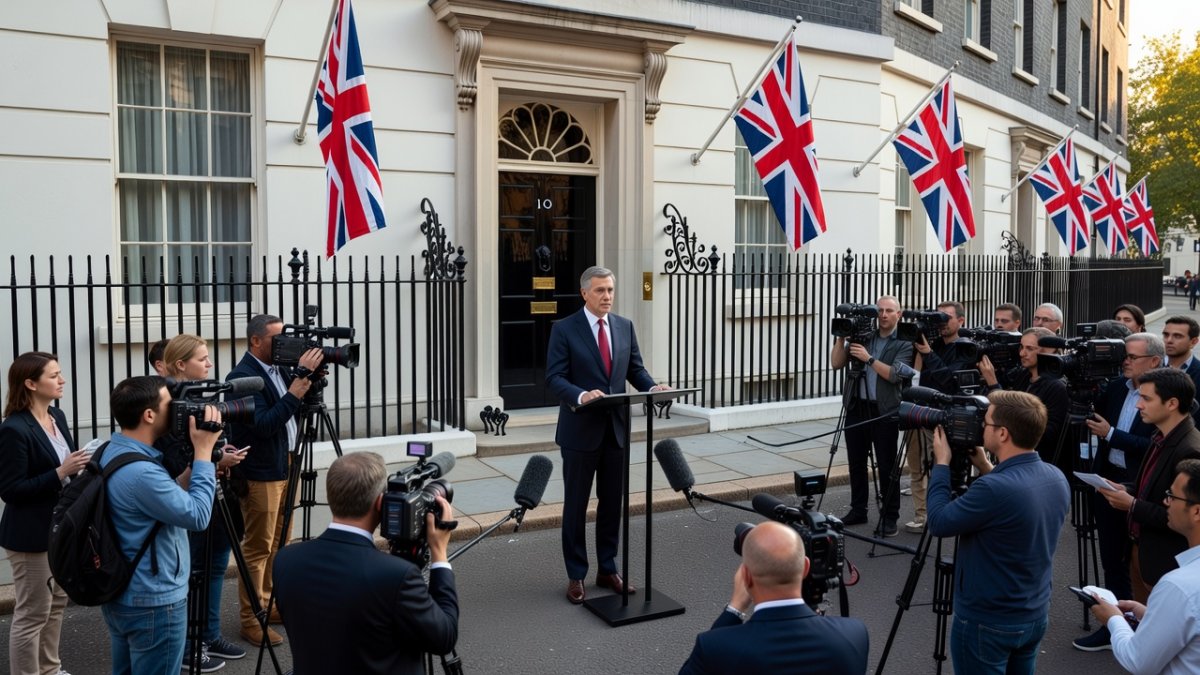
Leadership Timetable and Parliamentary Schedule
Nominations open on 9 July and close on 16 July during the summer recess. A new leader must be in place by 1 September when Parliament returns from recess. The Ministry of Justice and Home Office will continue routine operations under the existing ministerial team until the handover. This compressed timetable follows the precedent set after previous rapid leadership changes. Party members and MPs will select the successor through the standard Labour process. The Treasury has already begun briefing incoming advisers on fiscal constraints facing the next administration. Daily life for civil servants across Whitehall remains unchanged in the short term. Regional offices of the Department for Education and NHS England await clearer signals on future funding streams once the new leader is confirmed.Burnham Secures Makerfield By-Election Victory
Andy Burnham won the Makerfield by-election on 18 June with a majority of 9,231 over Reform UK candidate Robert Kenyon. He had served as Greater Manchester Mayor since 2017, winning re-election in both 2021 and 2024. Burnham previously represented Leigh as MP from 2001 to 2017 and held the posts of Culture Secretary and Health Secretary under Gordon Brown. This marks his third attempt at the Labour leadership after bids in 2010 and 2015. Wes Streeting, the current Health Secretary, immediately ruled himself out and endorsed Burnham. David Lammy, the Foreign Secretary, has remained neutral for now. Burnham said goodbye to his Manchester staff on the same day he confirmed his candidacy. Greater Manchester Combined Authority already controls transport, health and skills budgets, giving him direct experience of devolved powers that could shape national policy.Manchesterism and Devolution at the Centre
Burnham’s philosophy of Manchesterism emphasises rolling back Westminster control and strengthening local decision-making. Greater Manchester Combined Authority already manages integrated transport, health and skills funding worth billions of pounds annually. The approach contrasts with the centralised model that has dominated since the 2010s. If implemented, Manchesterism would extend similar powers to combined authorities in the West Midlands, West Yorkshire and the North East. The Department for Levelling Up, Housing and Communities would need to rewrite funding formulas currently administered from London. Local leaders in Newcastle and Birmingham have already signalled interest in matching Greater Manchester’s model. Residents in northern regions could see faster decisions on bus franchising and hospital reconfiguration. Southern councils, however, fear reduced access to discretionary Treasury grants if the focus shifts decisively northwards. The policy would mark a structural change to how the UK governs itself outside the capital.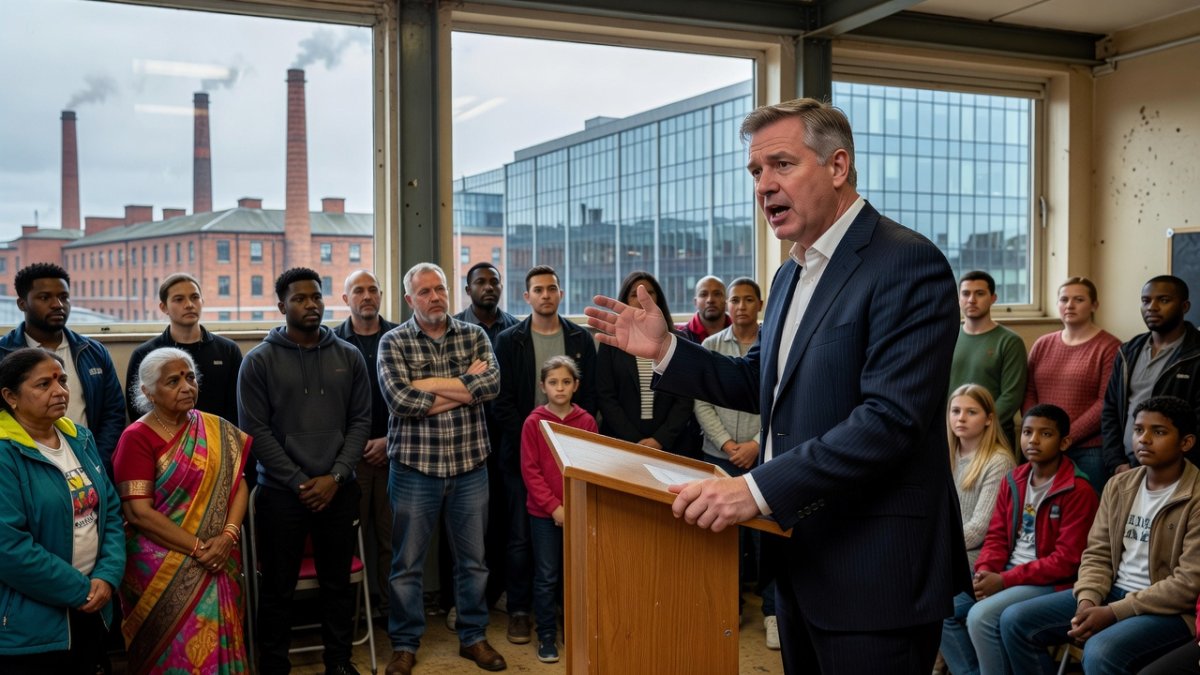
Proposed Cabinet and Northern Representation
Burnham has indicated he would appoint northern MPs and metro mayors to key roles. Potential Treasury and Business Department posts could go to figures already running combined authorities. The Home Office and Ministry of Justice might retain some continuity while new ministers settle. Wes Streeting’s endorsement suggests he could remain at Health and Social Care, bringing NHS England into closer alignment with Greater Manchester’s integrated care model. Foreign policy under David Lammy would likely continue without immediate disruption. Such appointments would alter the geographic balance of power inside the Cabinet room. Civil servants in the Treasury have begun modelling the fiscal consequences of transferring more spending decisions to regional bodies. Daily operations at Jobcentre Plus offices across the North would feel the first practical effects of any new devolution settlement.Economic Policy Direction and Honeymoon Risks
Burnham’s economic plans centre on local growth deals rather than large-scale national spending programmes. Greater Manchester’s existing skills and transport budgets provide a template for rolling out similar arrangements elsewhere. The Treasury has warned that any shift in funding must remain within existing fiscal rules set after the May 2026 local election results. A short honeymoon period is possible given Labour’s recent polling difficulties. However, the UK’s record of six prime ministers in seven years means public patience may be limited. Markets will watch the first statement from the new chancellor for signals on borrowing and tax policy. Households in Manchester and Leeds could benefit from quicker infrastructure decisions. Voters in the South West and East Anglia may question whether their regions receive equivalent attention. The next prime minister will need to balance these competing demands within weeks of taking office.Regional Effects on Daily Life Across Britain
Devolution reforms would reach transport users in Greater Manchester first through expanded bus franchising powers. Patients in northern hospitals could see faster integration between social care and NHS England services. Teachers in combined authority areas might gain more influence over skills training budgets currently held centrally. In Scotland and Wales the changes would interact with existing devolution settlements, requiring coordination with the Scotland Office and Wales Office. Residents in rural Norfolk or Cornwall would continue to rely on Westminster-controlled funding streams unless new combined authorities form. The Ministry of Justice has already begun assessing how court backlogs might be tackled through local pilot schemes. These shifts would affect voting behaviour in the next general election. Northern communities that backed Labour in 2024 could consolidate support if visible improvements appear quickly. Southern constituencies may drift further if they perceive reduced priority under the new leadership. By Erica Thornton, Staff WriterThis article was produced with AI-assisted research and editorial support. Reporting is based on sources cited in the article.
What's Your Reaction?
 Like
0
Like
0
 Dislike
0
Dislike
0
 Love
0
Love
0
 Funny
0
Funny
0
 Wow
0
Wow
0
 Sad
0
Sad
0
 Angry
0
Angry
0

US Politics and Policy Correspondent at Global1.News. Based in Washington DC, covering American politics, policy, elections, and the courts. Knows how the system works and tells you what it actually means.















Comments (0)