
Sinaloa Meth Seizure Strikes Cartels, Protects Communities
**Keywords:** Sinaloa Cartel, liquid methamphetamine, Los Mochis seizure, Defensa, Guardia Nacional, FGR, Omar García Harfuch, Claudia Sheinbaum, Pacific Cartel, Mexican security strategy, cross-border cooperation, addiction prevention, Sinaloa communities, clandestine labs The Coordinated Operation in Los Mochis Federal authorities carried out a targeted operation on June 19 a
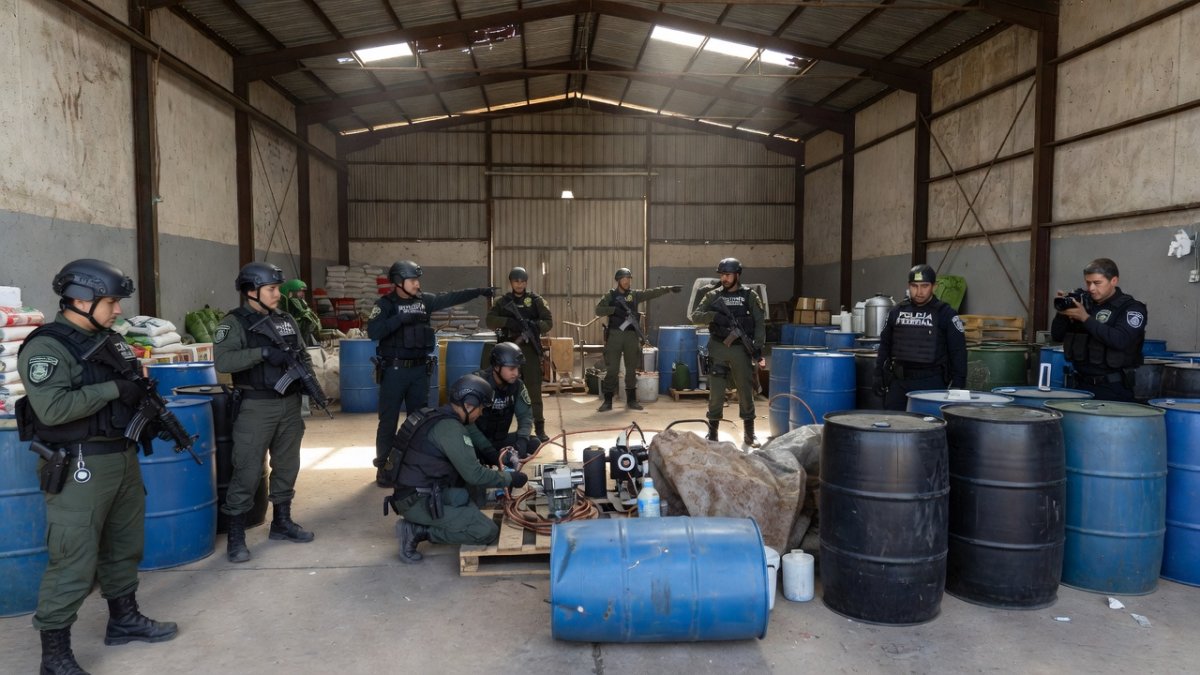
The Coordinated Operation in Los Mochis
Federal authorities carried out a targeted operation on June 19 and 20 in Los Mochis that resulted in the seizure of 24,400 liters of liquid methamphetamine. The Ministry of National Defense confirmed that the National Guard led the effort, with support from the Mexican Army and personnel from the Federal Attorney General's Office. One individual, identified as Jorge "N," was detained at an agricultural warehouse and later placed in the custody of the FGR. Authorities also recovered two vehicles, magazines for long guns, and ammunition of various calibers during the action.
The scale of the find stands out because it ranks as the second-largest seizure of liquid methamphetamine in Mexican history. Security Minister Omar García Harfuch highlighted on social media that this operation marks the largest liquid methamphetamine confiscation since the current government began its term in October 2024. The presence of 98,640 liters and 59,425 kilograms of chemical substances used for synthetic drug production shows how the site functioned as a key production point. Families living near such warehouses in Los Mochis often notice unusual activity but hesitate to speak out due to safety concerns in their colonias.
Local residents describe the relief that comes when federal forces remove these hidden operations from their neighborhoods. The coordinated work between Defensa, the National Guard, and the FGR demonstrates how multiple agencies can combine resources to disrupt supply chains before products reach distribution networks. This approach directly supports communities that have long dealt with the presence of organized crime in agricultural zones around the city.
Economic Blow to Criminal Networks
The Defense Ministry estimated that the Los Mochis seizure delivered an economic blow exceeding 9 billion pesos, or roughly 512.3 million US dollars, to organized crime groups. Such figures illustrate the financial pressure placed on networks that rely on large-scale synthetic drug manufacturing. When authorities remove both finished product and precursor chemicals in one action, they interrupt multiple stages of the production process at once.
Security Minister Omar García Harfuch noted that these operations prevent mass production and directly affect the operational capacity of criminal organizations. The seizure also included equipment and materials that would have supported continued output for months. In rural areas of Sinaloa, where legitimate agriculture provides income for many families, the removal of illicit facilities helps reduce the shadow economy that competes with honest work.
Ordinary people feel the effects when criminal groups lose revenue streams that fund recruitment and territorial control. Young adults in nearby communities who might otherwise face pressure to participate in these activities gain breathing room as the financial incentives shrink. The consistent application of such enforcement measures builds confidence among residents that sustained pressure can gradually shift local economies toward safer, legal opportunities.
The Sinaloa Context: A Community Under Pressure
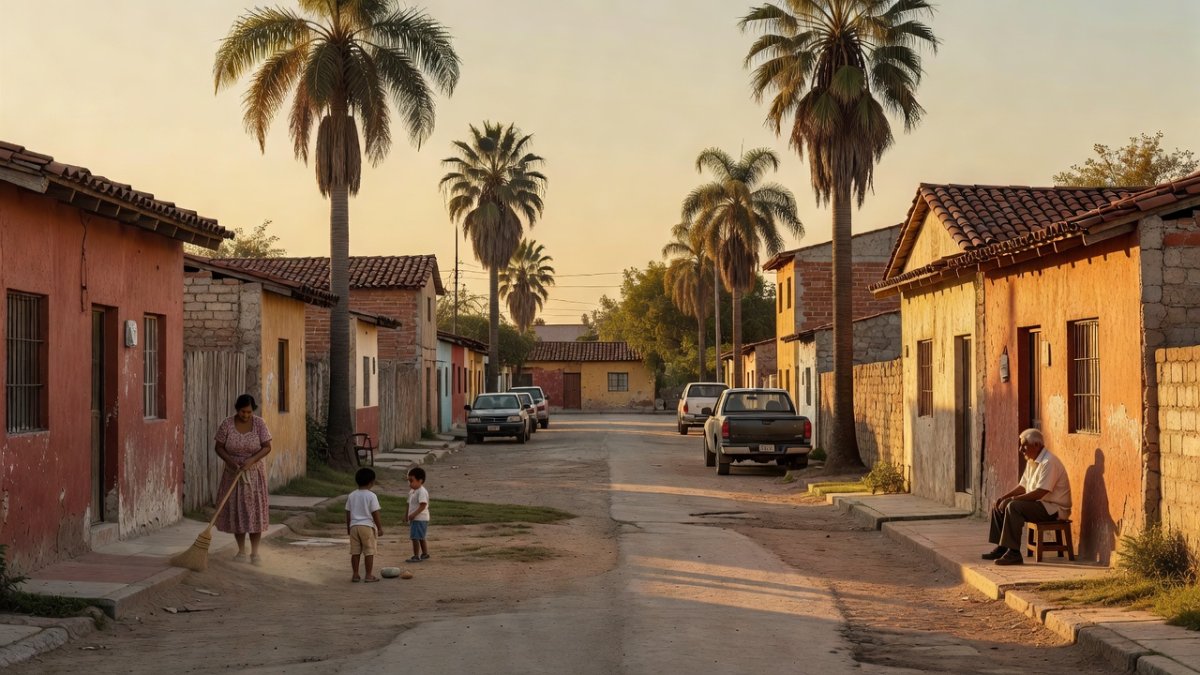
Sinaloa has long balanced its rich agricultural traditions with the challenges posed by organized crime presence. In Los Mochis and surrounding areas, families work the land while navigating the influence of groups like the Sinaloa Cartel, also referred to as the Pacific Cartel. The June operation at the agricultural warehouse highlights how legitimate rural properties can sometimes be repurposed, placing additional stress on local communities.
Residents in colonias near Culiacán and Los Mochis often discuss the need for stronger state presence that protects daily life without disrupting honest livelihoods. The arrest of Jorge "N" and the removal of large quantities of chemicals represent steps that reduce the immediate risks faced by families raising children in these regions. Homicides have shown a 29.8 percent annual decline in the first five months of 2026, according to government data, offering a measure of cautious hope for those who have lost relatives to violence.
Community leaders emphasize that lasting change requires attention to both enforcement and the social fabric that holds neighborhoods together. When federal forces act in coordination with state agencies, they create space for schools, markets, and family gatherings to occur with greater security. This balance remains essential for the young people who represent Sinaloa's future and deserve environments free from the shadow of synthetic drug production.
Addiction and Prevention: The Human Toll
The 24,400 liters of liquid methamphetamine seized in Los Mochis would have reached streets across Mexico and beyond, contributing to addiction cycles that tear apart families. Young people in Sinaloa communities face particular vulnerability when these substances become more available, leading to health crises that strain local clinics and support networks. Prevention efforts gain importance as authorities continue to dismantle production sites.
Security Minister Omar García Harfuch has reported that 2,407 clandestine laboratories have been taken apart since October 2024, alongside the seizure of 419.3 tonnes of narcotics. These actions aim to keep dangerous substances out of circulation before they affect households in rural towns and urban colonias alike. Families who have witnessed addiction firsthand understand that every liter prevented from distribution represents potential lives shielded from harm.
Community programs focused on education and early intervention become more effective when production volumes drop. In Sinaloa, where many households include multiple generations living under one roof, the protection of youth carries special weight. The daily work of the Security Cabinet, as described by President Claudia Sheinbaum, includes these broader goals of reducing both supply and the human suffering that follows when synthetic drugs reach vulnerable populations.
Sheinbaum Administration's Security Strategy
President Claudia Sheinbaum described the Los Mochis confiscation as a good seizure during her Tuesday morning press conference, noting that it forms part of the Security Cabinet's ongoing efforts. The administration has emphasized dismantling laboratories, cutting production chains, and stopping substances from reaching communities. Since October 2024, authorities have detained 56,134 people linked to high-impact crimes and confiscated 29,572 firearms, according to figures presented last week.
These results reflect a sustained approach that combines intelligence, interagency coordination, and consistent pressure on criminal infrastructure. Omar García Harfuch has stressed that the instruction remains clear: continue operations that weaken the financial and operational foundations of groups involved in synthetic drug manufacturing. The decline in homicides during the first five months of 2026 provides one indicator that the strategy may be contributing to improved conditions in affected regions.
Residents in Sinaloa watch these developments closely because security improvements directly influence daily decisions about work, school, and family travel. The Sheinbaum administration's focus on measurable actions rather than announcements helps build trust among communities that have experienced the consequences of unchecked criminal activity. Continued attention to both enforcement and social support will determine how lasting these gains become for ordinary families.
Cross-Border Cooperation and Shared Safety
U.S. Ambassador to Mexico Ronald Johnson posted on social media that the seizure represents a significant blow against cartels and helps protect families on both sides of the border. He noted that cooperation between the two countries delivers real results when leadership from both nations aligns on shared security priorities. The Los Mochis operation illustrates how joint efforts can target production points before products cross into distribution networks.
Communities in Sinaloa and in U.S. border regions share an interest in reducing the flow of synthetic drugs that fuel addiction and violence. When Mexican federal forces act decisively, as they did with support from Defensa and the National Guard, the benefits extend beyond national boundaries. Families in rural Sinaloa who have lost members to cartel-related conflicts recognize that sustained collaboration strengthens the overall environment for safer living.
President Sheinbaum and her security team have maintained open channels that allow for timely information sharing. This practical cooperation supports the broader goal of protecting young people from the reach of organized crime. As operations continue, residents on both sides of the border look for evidence that these partnerships translate into fewer substances available on streets and in schools.
What to Watch For
Observers will monitor whether additional operations follow the Los Mochis model in other parts of Sinaloa where agricultural facilities have been linked to synthetic drug activity. The FGR's handling of Jorge "N" and any related investigations may reveal further details about how these networks operate within the region. Continued reporting on laboratory dismantlements and chemical seizures will show whether the pace established since October 2024 holds steady.
Community organizations in Los Mochis and Culiacán will track how enforcement actions affect local safety and economic conditions over the coming months. Families hope that reduced production capacity leads to fewer recruitment attempts targeting young adults in rural areas. The Sheinbaum administration's Security Cabinet has indicated that ongoing work will focus on both supply reduction and prevention measures that support vulnerable populations.
Attention will also center on homicide trends and the broader impact on daily life in Sinaloa colonias. When federal agencies maintain coordination with state partners, residents gain confidence that progress can continue. The coming period will test whether the economic and operational pressure applied through actions like the 24,400-liter seizure produces lasting improvements for communities that have carried the weight of these challenges for years.
Tags: Sinaloa Cartel, liquid methamphetamine, Los Mochis, Defensa, Guardia Nacional, FGR, Omar García Harfuch, Claudia Sheinbaum, addiction prevention, cross-border security, Mexican communities
By Rosa Martinez, Staff Writer
This article was produced with AI-assisted research and editorial support. Reporting is based on sources cited in the article.
What's Your Reaction?
 Like
0
Like
0
 Dislike
0
Dislike
0
 Love
0
Love
0
 Funny
0
Funny
0
 Wow
0
Wow
0
 Sad
0
Sad
0
 Angry
0
Angry
0
Latin America/Andes Correspondent at Global1.News. Based in Bogota, covering politics, environment, energy, and social movements across the Andean region. Passionate about environmental journalism and communities protecting their land.












Comments (0)