
Shell's Pipeline Operations Amid Pollution Concerns in Niger Delta
Shell's Pipeline Operations Amid Pollution Concerns in Niger Delta The British multinational Shell continued operating a major oil pipeline in Nigeria for years despite internal awareness of risks from uncontrolled theft and infrastructure failures. Internal documents obtained by the BBC show that executives discussed these issues as early as 2008 regarding the Nembe Creek Trun
Shell's Pipeline Operations Amid Pollution Concerns in Niger Delta
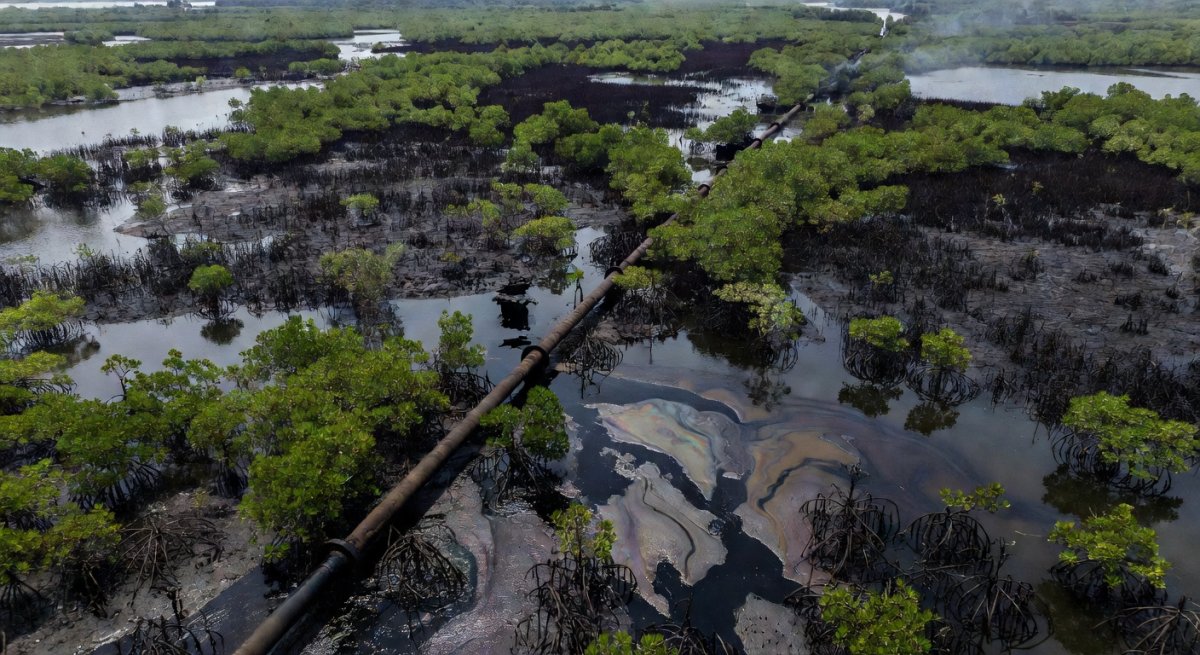
The British multinational Shell continued operating a major oil pipeline in Nigeria for years despite internal awareness of risks from uncontrolled theft and infrastructure failures. Internal documents obtained by the BBC show that executives discussed these issues as early as 2008 regarding the Nembe Creek Trunk Line, which carried unrefined fuel through the Niger Delta.
Warnings from Senior Executives
Emails and presentations reveal that Markus Droll, then technical vice-president, cautioned against continuing operations outside standard guidelines. He noted the potential for production shutdowns following attacks and questioned safeguards on other pipeline sections. Ann Pickard, regional executive vice-president at the time, responded by criticizing the lack of legal privilege marking on the correspondence.
Effects on Bille Residents and Livelihoods
The 60-mile Nembe Creek Trunk Line passes near Bille, a community of 45 islands in the riverine areas. Residents there reported that fishing grounds became toxic after spills between 2011 and 2013. Fisherman Balafama Augustus Bruce, aged 64 and a claimant in related legal action, described how the area shifted from supporting catches of sardines, catfish, tilapia and oysters to yielding few or deformed fish. He stated that poverty followed as fishing ceased.
Oil Theft and Regional Challenges
Oil theft, known locally as bunkering, involved tapping pipelines for crude that was sometimes refined in hidden camps or sold illegally. This practice compounded spills from infrastructure problems. The Niger Delta has seen such issues since Shell's first oil shipment in 1958, with the UN estimating at least 13 million barrels spilled across more than 7,000 incidents. Past militancy in the mid-2000s, including attacks on installations, highlighted demands for greater local benefits from oil revenues.
Ongoing Legal Proceedings
Communities around the creeks and mangroves have pursued a UK lawsuit against Shell for more than 100 leaks during 2011 to 2013. They seek 1 billion dollars for livelihood losses and environmental restoration. Shell maintains that theft, sabotage and illegal refineries caused most pollution, while noting investments by its Nigerian subsidiary to address spill risks. The pipeline was sold last year.
This article was produced with AI-assisted research and editorial support. Reporting is based on sources cited in the article.
What's Your Reaction?
 Like
0
Like
0
 Dislike
0
Dislike
0
 Love
0
Love
0
 Funny
0
Funny
0
 Wow
0
Wow
0
 Sad
0
Sad
0
 Angry
0
Angry
0

Canada Correspondent at Global1.News. Based in Toronto, covering Canadian politics, energy, trade, and US-Canada relations. Provides the Canadian perspective on North American and global affairs.













Comments (0)