
Scotch Bonnet Pepper Shortages Threaten Caribbean Exports
Scotch Bonnet Shortages Threaten Caribbean Exports Climate change is tightening its grip on one of the Caribbean's most iconic crops. Scotch bonnet peppers, the fiery heart of regional hot sauces, face mounting pressure from extreme weather that disrupts planting cycles and drives up costs for producers across Jamaica and beyond. Back-to-Back Hurricanes Deliver Repeated Blows H
Scotch Bonnet Shortages Threaten Caribbean Exports
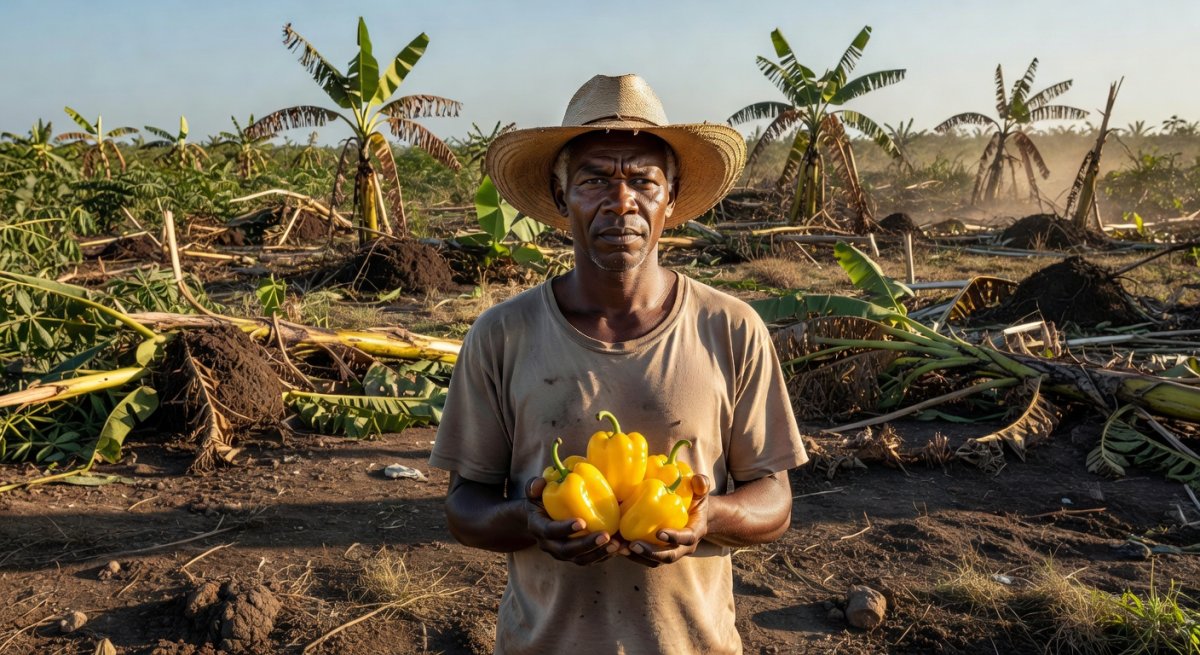
Climate change is tightening its grip on one of the Caribbean's most iconic crops. Scotch bonnet peppers, the fiery heart of regional hot sauces, face mounting pressure from extreme weather that disrupts planting cycles and drives up costs for producers across Jamaica and beyond.
Back-to-Back Hurricanes Deliver Repeated Blows
Hurricane Beryl struck first, followed last October by Hurricane Melissa, the strongest in Jamaica's recorded history. These storms devastated agricultural zones still recovering from prior damage, wiping out large portions of the pepper crop and forcing many farmers to shift toward hardier alternatives like sweet potato. The result has been persistent scarcity for processors who rely on fresh yellow Scotch bonnets.
Manufacturers Confront Rising Costs and Canceled Orders
Sean Garbutt of Associated Manufacturers, which produces Walkerswood sauces, described how the company canceled orders after the storms because supplies dried up. The firm exports more than 95 percent of its output, with two-thirds heading to the United States. Drew Gray of Gray's Pepper reported that prices jumped roughly tenfold immediately after Melissa and have risen 40 to 50 percent overall in the past two years, straining cash flow even as the company maintains inventory buffers to keep exports flowing.
Cultural Cornerstone Meets Economic Pressure
Scotch bonnets sit at the center of Jamaican daily life and identity. Families add them liberally to rice and peas, curries, and stews, and the sauces appear on tables in cook shops and restaurants island-wide. Gray notes that the island's high heat tolerance shapes a distinctive cuisine, yet climate-driven shortages now threaten both tradition and the livelihoods tied to exporting 40 percent of production to markets in North America, Europe, and Australia.
Regional Disease and Weather Challenges Compound Losses
Dwight Forrester of Jamaica's Rural Agricultural Development Authority points out that peppers remain highly susceptible to viruses and pests such as gall midges throughout the Caribbean. Excessive rainfall further alters flavor profiles, sometimes prompting customer complaints about reduced heat. These pressures hit smallholder farmers hardest, making replanting less attractive when better-paying alternatives exist.
Latin America and the Caribbean Face Shared Climate Risks
Gray states plainly that climate change is affecting the Caribbean the hardest, with successive hurricanes illustrating patterns already visible from Brazil's northeast to Central American highlands. Erratic rains, stronger storms, and shifting pest ranges threaten multiple staple crops, underscoring the need for coordinated adaptation across the region if agricultural economies are to remain viable.
By Elena Vasquez, Staff WriterThis article was produced with AI-assisted research and editorial support. Reporting is based on sources cited in the article.
What's Your Reaction?
 Like
0
Like
0
 Dislike
0
Dislike
0
 Love
0
Love
0
 Funny
0
Funny
0
 Wow
0
Wow
0
 Sad
0
Sad
0
 Angry
0
Angry
0

Latin America Correspondent at Global1.News. Based in Mexico City, covering politics, economics, energy, and culture across the region. Brings an on-the-ground perspective to stories spanning from the Rio Grande to Patagonia.















Comments (0)