
Russia Considers Ban on Diesel Exports Amid Fuel Crisis
The Consideration of a Diesel Export Ban Russia's government is considering a full ban on diesel exports to stabilize the domestic fuel market amid growing shortages and rising prices. This measure comes as authorities address challenges linked to supply networks. The approach builds on existing restrictions already in place for gasoline and jet fuel exports. Officials are eval
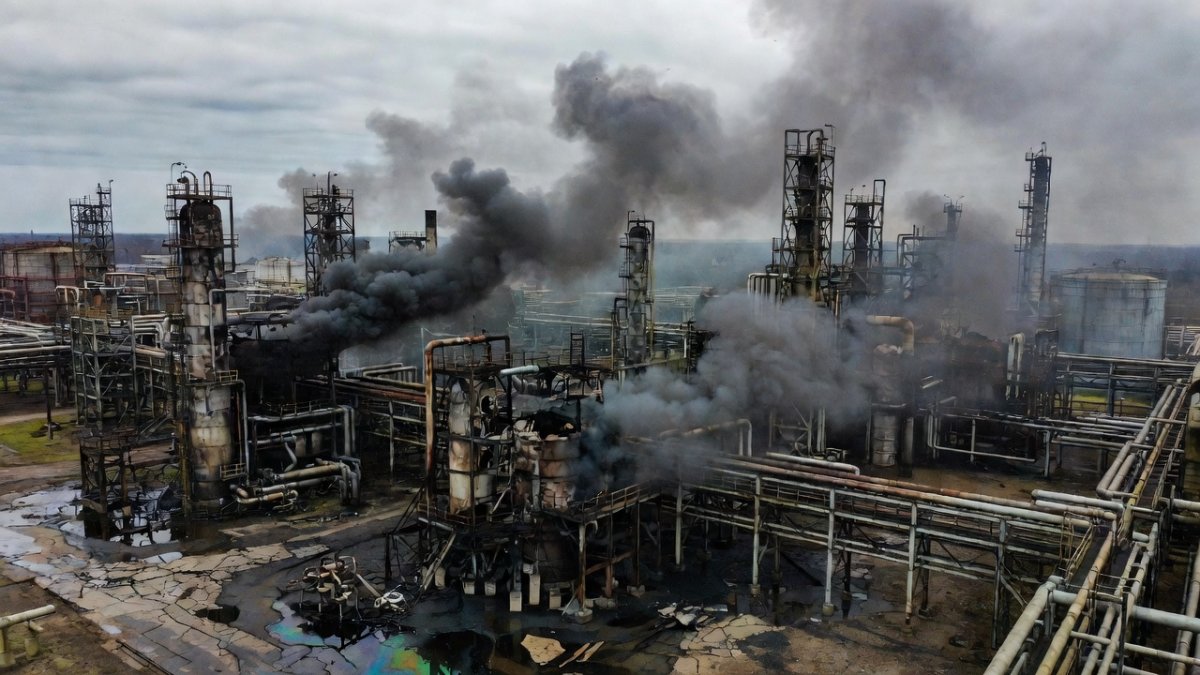
The Consideration of a Diesel Export Ban
Russia's government is considering a full ban on diesel exports to stabilize the domestic fuel market amid growing shortages and rising prices. This measure comes as authorities address challenges linked to supply networks. The approach builds on existing restrictions already in place for gasoline and jet fuel exports. Officials are evaluating the total ban as one option among several to manage the current conditions in the fuel sector.
Deputy Prime Minister Alexander Novak addressed the matter during a meeting with President Vladimir Putin and other senior officials. He described the domestic market situation as challenging but under control. Novak noted that the total ban on diesel exports is now being weighed as part of broader efforts. His position represents a shift from earlier this month when he indicated no immediate need for such a blanket measure on diesel.
The proposal aims to direct more fuel resources toward internal needs. Government discussions have focused on maximizing output from existing facilities. This includes efforts to adjust operations across oil refineries to support domestic stability. The consideration of the ban reflects ongoing reviews by ministries and energy sector participants.
Official Assessments of the Domestic Market
Deputy Prime Minister Alexander Novak stated on Tuesday that the situation remains challenging but under control. He highlighted steps taken to address refinery operations during the meeting with President Vladimir Putin. These include maximizing capacity across all oil refineries and shortening repair timelines. Scheduled maintenance has been postponed to later dates as part of the response.
Novak's comments came alongside discussions of the potential diesel export ban. The Energy Ministry has coordinated with major corporations through an industry-wide task force established earlier this month. This group includes the country's largest energy companies and focuses on market stabilization. The task force acknowledges difficulties in supply chains affecting fuel availability.
Assessments from officials emphasize that current restrictions on gasoline and jet fuel exports serve as a foundation. The addition of a diesel ban would extend these controls. Senior officials continue to monitor developments in the domestic market. These evaluations occur amid broader government efforts to maintain supply levels.
Regional Restrictions and Price Increases
Nearly two dozen regions have introduced restrictions on gasoline and diesel purchases in recent weeks. These measures respond to localized shortages reported across various areas. Authorities in affected regions have implemented limits to manage distribution. The restrictions aim to prevent further strain on available supplies.
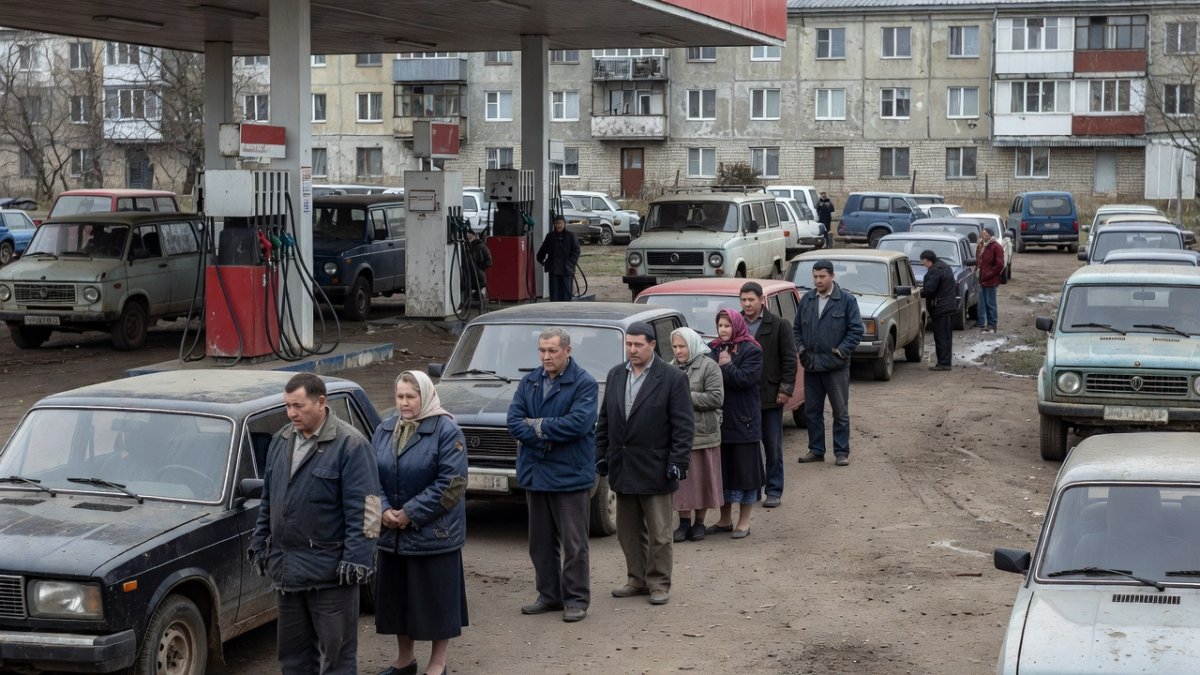
The average price of gasoline in Russia has climbed 6.6 percent since the start of the year. A single-week jump pushed national averages to 69.11 rubles per liter as of mid-June. This increase reflects pressures on the market from reduced output and distribution challenges. Consumers in multiple areas have faced higher costs at fuel stations.
Regional actions vary but share the goal of stabilizing local access. Officials track these developments as part of national monitoring. The price rise has prompted additional reviews by the Energy Ministry. Such changes highlight the interconnected nature of supply issues across the country.
Attribution of Disruptions to External Attacks
Ukraine began ramping up its attacks against Russian oil refineries this spring. Drone strikes have halted or scaled back production at facilities that account for a large share of Russia's gasoline output. The Energy Ministry established an industry-wide task force earlier this month with the country's largest energy corporations. This group acknowledged for the first time that Ukrainian drone strikes were directly to blame for the ongoing difficulties in the domestic fuel market.
Russia's gasoline output is down 25 percent compared to the June 2025 average. These reductions stem from damage at key production sites. The task force coordinates responses among major players to mitigate further impacts. Officials have linked the strikes to broader supply network vulnerabilities.
Attribution by the Energy Ministry marks a formal recognition of the role of these attacks. The task force continues to assess affected facilities. This acknowledgment informs decisions on export policies and operational adjustments. Multiple refineries have experienced scaled-back activities as a result.
Proposals from Major Industry Leaders
On Wednesday, Kommersant reported that Rosneft CEO Igor Sechin had sent a letter to President Vladimir Putin in May. The letter asked for a temporary overhaul of how fuel is distributed to prevent shortages. Sechin recommended that the government force all oil companies to route at least 30 percent of their raw crude straight to domestic refineries. He also proposed pausing rules requiring oil companies to sell top-tier fuel on public exchanges.
Sechin claimed that middlemen are hoarding fuel to drive up their own profits. This suggestion seeks to redirect resources more directly within the domestic system. The proposal aligns with efforts to address distribution bottlenecks. It comes from one of the leading figures in Russia's energy sector.
Industry perspectives include calls for such structural changes. The letter outlines specific steps to support refinery operations. These recommendations are under consideration alongside other measures. They reflect input from major corporations facing the current market conditions.
Legislative Measures for Imports
Russian lawmakers are fast-tracking tax legislation to create government subsidies to fund gasoline imports from India. This initiative aims to supplement domestic supplies during periods of reduced output. The legislation targets mechanisms to support import activities through financial incentives. It represents one avenue for addressing shortfalls in local production.
The push for subsidies occurs as authorities evaluate multiple options for market stabilization. Lawmakers have prioritized the measures in response to ongoing challenges. The focus on imports from India provides an alternative source for gasoline. This approach complements efforts to adjust export policies.
Subsidies would assist in covering costs associated with bringing in fuel from abroad. The fast-tracking indicates urgency in legislative processes. Officials coordinate these steps with input from the Energy Ministry. Such measures seek to balance internal demands with external sourcing.
Specific Refinery Outages and Their Scale
The Moscow Oil Refinery is expected to remain offline for at least six months following repeated drone strikes this month. A major oil refinery just south of Moscow operated by Gazprom Neft faces similar extended downtime. The Gazprom Neft-operated facility was first attacked on June 16 during which a distillation unit that accounts for 53 percent of the refinery's capacity was reportedly damaged.
A second attack on June 18 damaged a more modern Euro+ unit accounting for the other 47 percent. These incidents have led to full suspension of operations at the site. The outages affect a significant portion of regional fuel processing capacity. Repairs are projected to take an extended period based on the extent of the damage.
Other facilities have also seen production scaled back due to similar strikes. The combined impact contributes to the overall reduction in gasoline output. Government task forces monitor these specific cases as part of broader assessments. The scale of the outages underscores challenges in maintaining full refinery functionality.
Timing Amid Seasonal Demands
The disruptions arrive at a critical time with both the summer vacation travel season and the agricultural farming season in full swing. Increased demand from travel and farming activities places additional pressure on available fuel supplies. Officials note that these seasonal factors coincide with reduced refinery outputs across multiple sites.
Authorities have adjusted operational timelines at refineries to respond during this period. Postponed maintenance and maximized capacities aim to support peak usage. The combination of seasonal needs and supply constraints informs policy discussions on exports and imports.
Regional restrictions on purchases have been introduced partly in response to these heightened demands. The timing amplifies the effects of production shortfalls. Government meetings including those with President Vladimir Putin address these overlapping pressures. Efforts continue to manage distribution amid the active seasons.
By Irina Volkov, Staff WriterThis article was produced with AI-assisted research and editorial support. Reporting is based on sources cited in the article.
What's Your Reaction?
 Like
0
Like
0
 Dislike
0
Dislike
0
 Love
0
Love
0
 Funny
0
Funny
0
 Wow
0
Wow
0
 Sad
0
Sad
0
 Angry
0
Angry
0
Russia/Eastern Europe Correspondent at Global1.News. Covering Russian politics, energy, security, and the shifting dynamics of the post-Soviet space. Provides clear-eyed analysis on one of the world's most opaque regions.












Comments (0)