
Retail Sales Tumble as Consumers Tighten Belts Amid Economic Jitters
Retail Sales Tumble as Consumers Tighten Belts Amid Economic Jitters Consumer Spending Takes a Hit Retail sales plunged 1 percent in March, a sharper drop than the 0.4 percent decline economists had forecast, according to fresh Commerce Department figures. That miss lands like a gut punch after months of resilient consumer behavior. The banking-sector turmoil, swirling recessio
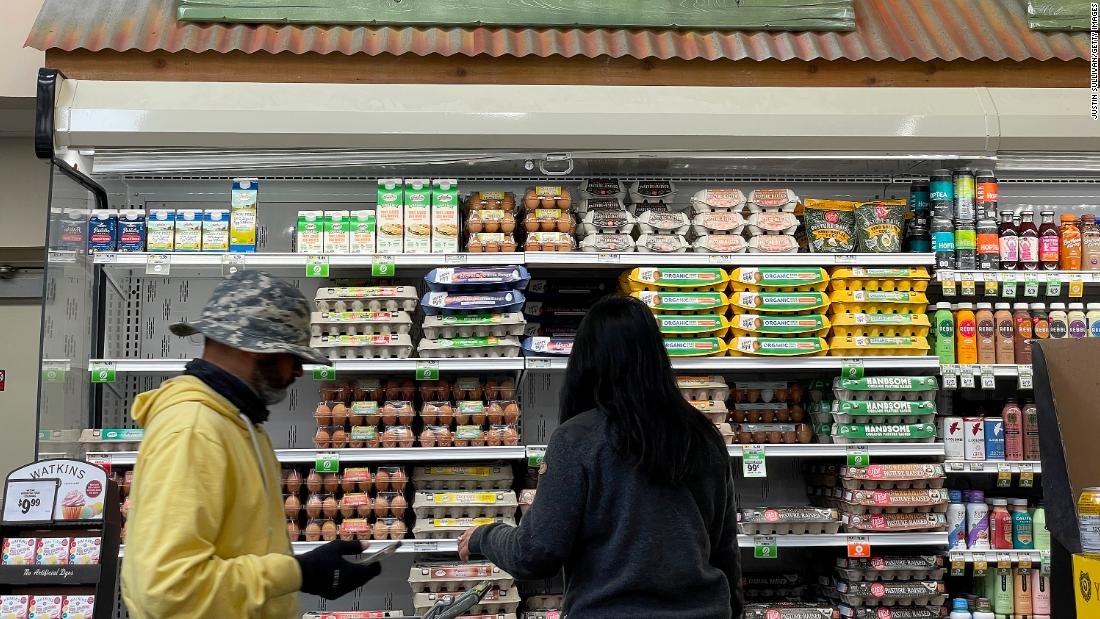
Consumer Spending Takes a Hit
Retail sales plunged 1 percent in March, a sharper drop than the 0.4 percent decline economists had forecast, according to fresh Commerce Department figures. That miss lands like a gut punch after months of resilient consumer behavior. The banking-sector turmoil, swirling recession fears, and households actively pulling back on discretionary buys all converged to drag the headline number lower. Year-over-year sales still managed a 2.9 percent gain, yet that thin cushion feels increasingly fragile when inflation-adjusted figures are considered. Shoppers are no longer stretching every dollar; they are choosing where every dollar lands with surgical precision.
Department stores, furniture outlets, and appliance retailers felt the immediate sting. The pullback is not merely statistical noise; it reflects real households deciding that big-ticket purchases can wait. In Atlanta’s retail corridors, from Lenox Square to the outlet malls south of the city, foot traffic has visibly thinned on weekends. Store managers report customers lingering longer over price tags and abandoning carts more often. This is the kind of behavior that precedes broader economic softening, not the kind that fades after a single bad month.
Meanwhile, the Federal Reserve’s aggressive rate-hike campaign continues to raise borrowing costs for everything from credit cards to auto loans. Consumers who once shrugged off higher rates are now balking. The March data underscores that the cumulative weight of tighter financial conditions is finally registering at the cash register. Policymakers hoping for a soft landing must now confront the possibility that the consumer—the economy’s traditional shock absorber—is already absorbing too much.
(CNN)
Tax Refunds Shrink, Spending Follows
The IRS sent out just $84 billion in tax refunds this March, a staggering $25 billion less than the same month last year. Aditya Bhave, senior U.S. economist at BofA Global Research, notes that smaller refunds are hitting exactly where households feel it most: department stores, durable-goods outlets, appliances, and furniture. General merchandise stores posted a 3 percent decline, while gas-station sales fell 5.5 percent. These are not abstract categories; they represent the everyday purchases that keep retail employment steady and local economies humming.
When refunds shrink, the immediate cash infusion that typically fuels spring shopping simply does not arrive. Families who counted on that lump sum to replace a washing machine or buy back-to-school clothes are instead stretching existing items another season. The ripple effect reaches manufacturers and logistics firms that had already dialed back production anticipating softer demand. In metro Atlanta, where distribution centers line I-85 and I-20, warehouse shifts are being trimmed as orders slow.
Bhave’s analysis makes clear that the refund shortfall is not an isolated fiscal footnote. It is a direct transmission mechanism from Washington’s tax calendar to Main Street cash registers. With inflation still elevated and credit-card balances climbing, households lack the buffer they enjoyed in prior recovery years. The March spending drop therefore carries extra weight: it signals that the consumer safety net is thinner than official unemployment numbers suggest.
The SNAP Expiration Hit Hard
Enhanced pandemic-era SNAP benefits expired in February, removing a critical income supplement for millions of households. The Bank of America Institute’s latest report shows card spending has since moderated to its slowest pace in more than two years. The combined squeeze from smaller tax refunds, vanished SNAP top-ups, and decelerating wage growth is producing a textbook case of demand destruction at the lower end of the income spectrum.
Lower-income consumers spend a higher share of every dollar they receive. When that dollar disappears, the effect on grocery stores, discount retailers, and quick-service restaurants is immediate and measurable. Atlanta food banks report longer lines and earlier exhaustion of monthly supplies, a direct consequence of the benefit cliff. Retailers that built inventory expecting sustained SNAP-driven demand now face excess stock and margin pressure.
The expiration was always going to create a step-down in spending, yet the timing could not be worse. Layered atop higher interest rates and recession anxiety, the loss of pandemic support has accelerated the consumer retrenchment visible in March’s retail numbers. Policymakers who viewed the extra benefits as temporary must now reckon with the permanent hole they leave in household budgets and, by extension, in retail sales.
Wage Growth Is Cooling — Here's the Data
Average hourly earnings rose 4.2 percent in March, down from 4.6 percent and the smallest annual increase since June 2021, according to Bureau of Labor Statistics data. The Employment Cost Index tells a similar story of moderation across both wages and benefits. While the labor market still added a robust 236,000 jobs last month—solid by any historical standard—the pace of compensation growth is unmistakably easing.
This cooling matters because wage gains had been one of the few remaining supports for consumer spending power. When paychecks grow more slowly, households feel the pinch even if they remain employed. The Atlanta metro, home to major logistics and service employers, is already seeing hiring managers dial back signing bonuses and shift differentials. Workers who once leveraged multiple offers are now staying put, reducing the income surges that previously fueled discretionary purchases.
Yet the job market’s underlying strength cannot be dismissed. Unemployment remains low, and employers continue to hire. The tension lies in whether cooling wage growth will prove sufficient to ease inflationary pressures without tipping the economy into outright contraction. March’s retail-sales miss suggests the consumer is already pricing in that risk.
Consumer Sentiment: Waiting for the Other Shoe
The University of Michigan’s latest survey shows consumer sentiment holding steady even as one-year inflation expectations jumped from 3.6 percent to 4.6 percent. Joanne Hsu, the survey’s director, captured the mood succinctly: consumers are expecting a downturn and are waiting for the other shoe to drop. That psychological shift is as economically potent as any interest-rate hike.
Michelle Meyer of the Mastercard Economics Institute offers a counterpoint, noting that the broader picture—solid employment, still-positive real-income growth for many—remains favorable. Yet the gap between statistical resilience and household anxiety is widening. When families anticipate harder times, they save more and spend less, creating the very slowdown they fear.
Atlanta households are no exception. Local real-estate agents report buyers pausing purchases amid rate volatility, while auto dealers see longer negotiation cycles. The sentiment data therefore functions as a leading indicator: March’s retail-sales decline is unlikely to be an outlier if inflation expectations continue climbing and the “other shoe” narrative takes hold.
(CNN)
The Bottom Line
The U.S. economy sits at a critical inflection point where cooling consumer spending, shrinking refunds, expired pandemic supports, and moderating wage growth are colliding. Readers should audit their own household budgets now, trimming discretionary outlays while the labor market remains supportive. Watch the Federal Reserve’s next signals closely; any hint of renewed hawkishness could accelerate the pullback already visible in retail data.
The job market’s continued strength offers a buffer, yet it cannot indefinitely offset the cumulative drag from higher borrowing costs and diminished fiscal support. In the months ahead, track monthly retail figures, inflation expectations, and initial jobless claims for early warnings. Atlanta’s retailers and logistics firms will feel these shifts first, but the national pattern is unmistakable: consumers are tightening belts, and the economy must adjust accordingly.
By Jessica Ali, Staff WriterThis article was produced with AI-assisted research and editorial support. Reporting is based on sources cited in the article.
What's Your Reaction?
 Like
0
Like
0
 Dislike
0
Dislike
0
 Love
0
Love
0
 Funny
0
Funny
0
 Wow
0
Wow
0
 Sad
0
Sad
0
 Angry
0
Angry
0

Editor-in-Chief at Global1.News. Atlanta-based journalist who cuts through the BS and tells it like it is. Lead anchor, host, and the voice you hear when the spin stops and the truth starts.















Comments (0)