
Retail Sales Dip Signals Consumer Caution Amid Tax Refund Shortfall
Retail Sales Dip Signals Consumer Caution Amid Tax Refund Shortfall Retail Sales Decline in March Retail sales in the United States fell sharply in March as consumers reined in spending following the banking crisis and heightened recession concerns. The Commerce Department reported that retail sales, adjusted for seasonality but not inflation, dropped by 1 percent from the prio
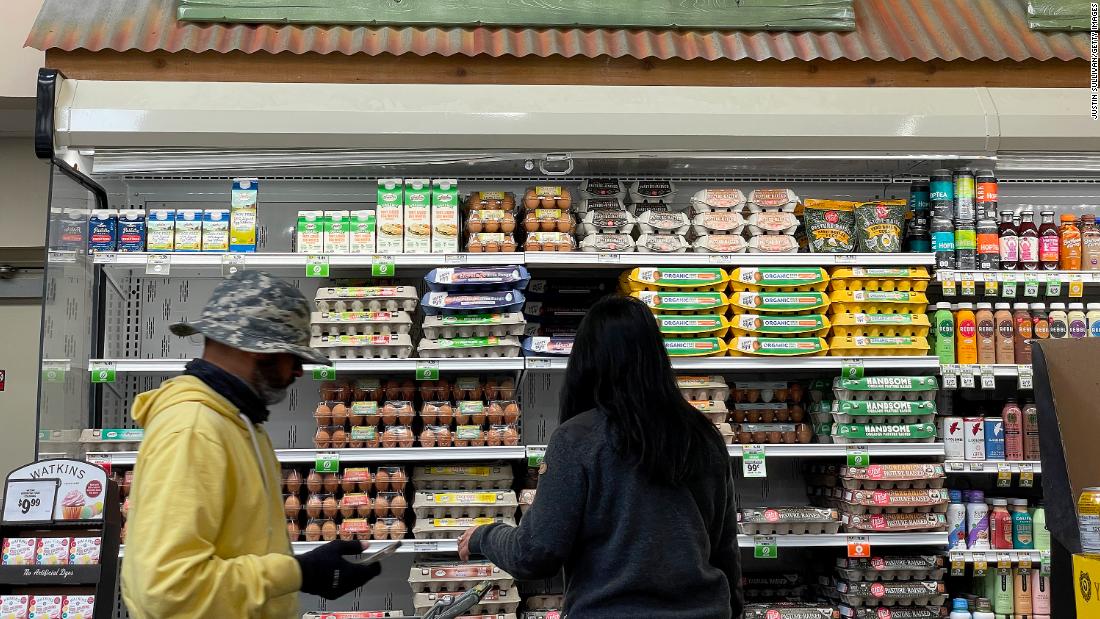
Retail Sales Decline in March
Retail sales in the United States fell sharply in March as consumers reined in spending following the banking crisis and heightened recession concerns. The Commerce Department reported that retail sales, adjusted for seasonality but not inflation, dropped by 1 percent from the prior month. This decline exceeded the 0.4 percent drop anticipated by Refinitiv analysts and surpassed the revised 0.2 percent decrease recorded in February.
Market observers attributed part of this weakness to smaller tax refunds and worries over a cooling labor market. The pullback was evident across multiple categories, reflecting broader caution among households. Data showed that the reduction in available refund dollars played a direct role in limiting discretionary purchases during the month.
Investors noted that the March figures highlighted vulnerabilities in consumer behavior when refund inflows diminish. The Commerce Department release on Friday provided concrete evidence of this trend, underscoring how external factors like banking instability amplified existing pressures on household budgets.
Impact of Reduced Tax Refunds
The IRS issued $84 billion in tax refunds this March, about $25 billion less than they issued in March of 2022, according to BofA analysts. This shortfall directly influenced spending patterns, prompting consumers to cut back at department stores and on durable goods such as appliances and furniture. Economists emphasized that March typically serves as a peak period for refund-driven purchases.
Aditya Bhave, senior US economist at BofA Global Research, highlighted how expectations for refunds similar to the previous year went unmet for many households. The reduced inflows led to measurable restraint in overall outlays. Credit and debit card spending per household tracked by Bank of America researchers slowed to its lowest pace in more than two years during March.
Smaller tax returns combined with the expiration of enhanced food assistance benefits further constrained spending. Analysts from the Bank of America Institute pointed to these elements as key contributors to the observed moderation. The $25 billion reduction in refunds represented a significant shift from 2022 levels, altering the usual seasonal boost to retail activity.
Sector-Specific Spending Drops
Spending at general merchandise stores fell 3 percent in March from the prior month, illustrating the direct effects of lower refund amounts on broad retail categories. Gas station sales declined 5.5 percent over the same period, reflecting both reduced consumer mobility and price adjustments. These figures contributed substantially to the overall monthly contraction.
Excluding gas station sales, retail spending retreated 0.6 percent in March from February. This adjusted metric revealed underlying weakness beyond energy-related fluctuations. Durable goods categories, including appliances and furniture, experienced notable pullbacks as households prioritized essential expenditures.
Department store performance mirrored these trends, with reduced foot traffic and transaction volumes tied explicitly to the $84 billion refund total. The Commerce Department data underscored how concentrated the declines were in discretionary areas. Such patterns suggested that the $25 billion shortfall from 2022 levels had a cascading impact across multiple retail segments.
Broader Economic Context and Year-over-Year Trends
Despite the monthly decline, retail spending rose 2.9 percent year-over-year. This annual gain provided a counterpoint to the sequential weakness, indicating that baseline consumer activity remained above 2022 levels in aggregate. Economists viewed the contrast as evidence of lingering resilience amid specific headwinds.
The expiration of enhanced pandemic-era benefits through the Supplemental Nutrition Assistance Program in February added another layer of restraint on March outlays. Bank of America Institute reports linked this policy change to the observed moderation in card spending. Combined with smaller refunds, these factors created a temporary drag on household finances.
Overall economic signals pointed to a consumer base navigating multiple adjustments simultaneously. The 2.9 percent annual increase demonstrated that prior momentum had not fully dissipated, even as monthly figures reflected caution. Analysts stressed the importance of monitoring how these elements evolve in subsequent periods.
Labor Market Indicators and Wage Growth
Average hourly earnings grew 4.2 percent in March from a year earlier, down from the prior month's annualized 4.6 percent increase. This marked the smallest annual rise since June 2021, according to Bureau of Labor Statistics figures. The Employment Cost Index has similarly shown moderating worker pay gains over the past year.
These wage trends coincided with the retail spending slowdown, suggesting that slower income growth amplified the effects of reduced refunds. The 4.2 percent figure represented a clear deceleration from recent peaks. Economists noted that such moderation could influence future consumption patterns if sustained.
Despite these shifts, the labor market continued to support household stability. The combination of solid employment levels and gradual wage adjustments provided a buffer against sharper spending cuts. Data releases later this month on the Employment Cost Index for the first quarter will offer further clarity on compensation dynamics.
Job Creation and Openings Data
Employers added 236,000 jobs in March, a robust gain by historical standards yet below the average monthly pace of the prior six months. The Bureau of Labor Statistics data confirmed this addition as evidence of ongoing but decelerating momentum in hiring. The latest Job Openings and Labor Turnover Survey showed available positions remained elevated in February.
Job openings stood down more than 17 percent from their peak of 12 million in March 2022. Revised data also indicated that weekly claims for unemployment benefits were higher than previously reported. These metrics collectively pointed to a labor market losing some steam without collapsing.
Federal Reserve economists anticipate the economy could enter a recession later in the year due to lagged effects of higher interest rates. Preceding the collapses of Silicon Valley Bank and Signature Bank, forecasts already included subdued growth with recession risks. The 236,000 job gain and reduced openings data align with this cautious outlook.
Consumer Sentiment Amid Banking Concerns
Consumer sentiment tracked by the University of Michigan worsened slightly in March during the bank failures but had already shown signs of deterioration beforehand. The latest reading released Friday morning indicated that sentiment held steady in April despite the banking crisis. Higher gas prices pushed year-ahead inflation expectations up by a full percentage point, rising from 3.6 percent in March to 4.6 percent in April.
Joanne Hsu, director of the surveys of consumers at the University of Michigan, noted that consumers did not perceive material changes in the economic environment in April on net. Expectations of a downturn persisted, though feelings were less dismal than during the prior summer. Households appeared to be awaiting further developments following the banking turbulence.
The limited immediate effects on consumer behavior from the March banking events contrasted with the more pronounced impact of refund shortfalls. Inflation expectation shifts to 4.6 percent highlighted sensitivity to price signals like gasoline costs. These sentiment measures offered insight into how external shocks interact with daily spending decisions.
Outlook for Future Spending and Economy
Michelle Meyer, North America chief economist at Mastercard Economics Institute, emphasized that the big picture remains favorable for the consumer when considering income growth, balance sheets, and labor market health. The 236,000 jobs added in March and the 2.9 percent year-over-year retail increase support this view. Yet the $84 billion refund total and associated $25 billion reduction signal near-term challenges.
Economists expect further cooling in the job market as interest rate effects deepen. The combination of moderated wage growth at 4.2 percent and declining job openings will likely influence spending trajectories. Retail categories tied to refunds may continue facing pressure until seasonal patterns normalize.
Overall, the March data illustrate a consumer sector adjusting to multiple constraints while retaining underlying strength. The 1 percent monthly sales drop, sector-specific declines, and sentiment stability together paint a nuanced picture. Continued monitoring of refund flows, wage trends, and employment figures will be essential for assessing sustained momentum.
By Jessica Ali, Staff WriterThis article was produced with AI-assisted research and editorial support. Reporting is based on sources cited in the article.
What's Your Reaction?
 Like
0
Like
0
 Dislike
0
Dislike
0
 Love
0
Love
0
 Funny
0
Funny
0
 Wow
0
Wow
0
 Sad
0
Sad
0
 Angry
0
Angry
0

Editor-in-Chief at Global1.News. Atlanta-based journalist who cuts through the BS and tells it like it is. Lead anchor, host, and the voice you hear when the spin stops and the truth starts.















Comments (0)