
Private Prosecutors Named in Sara Duterte Impeachment Trial
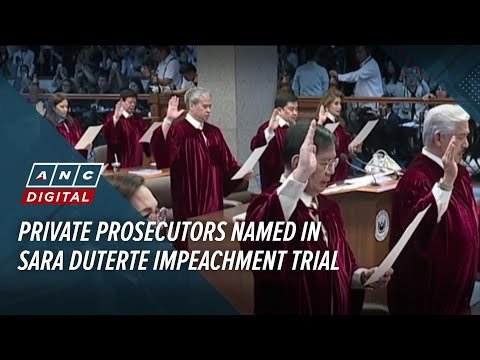
As reported by ANC 24/7 on The World Tonight this Thursday, the House prosecution panel introduced the first batch of private prosecutors who will assist in presenting evidence during the Senate impeachment trial of Vice President Sara Duterte. The development marks a key step in the proceedings that now move to the upper chamber under the 1987 Philippine Constitution, where 24
As reported by ANC 24/7 on The World Tonight this Thursday, the House prosecution panel introduced the first batch of private prosecutors who will assist in presenting evidence during the Senate impeachment trial of Vice President Sara Duterte. The development marks a key step in the proceedings that now move to the upper chamber under the 1987 Philippine Constitution, where 24 senators will sit as judges. Lawmakers from the House panel emphasized that the trial centers on accountability for actions that affect communities from Davao City to Manila.
House Introduces First Batch of Private Prosecutors in Sara Duterte Impeachment Trial
Manila, Philippines -- The House prosecution panel on Thursday announced the first batch of private prosecutors for the Senate impeachment trial of Vice President Sara Duterte, tapping experienced legal counsel including Atty. Lorna Kapunan, who previously served as Assistant Presidential Legal Counsel.
Background on the Sara Duterte Impeachment
The impeachment case against Vice President Sara Duterte reached the Senate after the House of Representatives approved articles of impeachment earlier this year. The charges focus on alleged misuse of public funds and conduct that House members say violated constitutional duties while she served as vice president. Under the 1987 Philippine Constitution, the Senate now holds the sole power to try and decide the case, with a two-thirds vote required for conviction and removal from office.
House leaders transmitted the articles to the Senate in recent weeks, setting the stage for formal trial proceedings in the session hall along Roxas Boulevard in Manila. The case draws intense attention because Duterte maintains strong political roots in Davao City, where her family has long held influence over local governance and national politics. Residents in barangays across Mindanao continue to follow developments closely, as the outcome could reshape alliances ahead of future elections.
The constitutional framework leaves no room for shortcuts, as the Senate must organize itself as an impeachment court with the chief justice or a designated senator presiding. Potential presiding officers include Senator Sherwin Gatchalian or Senator Francis Escudero, both of whom have experience navigating high-profile legislative inquiries. This structure ensures that the trial proceeds according to established Senate rules rather than external pressures from any branch of government.
Filipino families in provinces like Cebu and Baguio watch the process because it tests whether elected officials remain answerable for decisions that touch disaster response and public spending. The trial also intersects with ongoing recovery efforts after the recent Mindanao earthquake, where accountability questions extend beyond the courtroom into everyday concerns about aid distribution.
Who Are the Private Prosecutors
The House prosecution panel named Atty. Lorna Kapunan as one of the first private prosecutors assigned to the Senate trial. Kapunan previously served as Assistant Presidential Legal Counsel and stated clearly that she received no instructions from Malacanang regarding her role. She described Vice President Duterte's public statements as a "bubble bath 'yan, hindi bloodbath," signaling her view that the defense would not involve dramatic confrontations.
Kapunan confirmed she stands ready to cross-examine Vice President Duterte if she appears before the Senate. Another private prosecutor, also a former Assistant Presidential Legal Counsel, joined the first batch and likewise denied any direct Palace involvement in their participation. These appointments reflect the House panel's decision to bring in experienced litigators who can handle witness examinations and legal arguments during the trial sessions.
The selection process occurred in Quezon City at the House complex, where panel members reviewed qualifications before finalizing the initial group. Kapunan's background includes work on high-stakes legal matters that required precise questioning of witnesses, a skill set the prosecution believes will prove useful when senators question evidence presented by both sides. The panel stressed that these private prosecutors operate independently of any executive branch directive.
Communities in Davao del Sur and other quake-affected areas see these appointments as a signal that the trial will proceed with professional legal representation rather than purely political theater. OFWs sending remittances back to families in these regions often cite the need for stable governance, and the presence of seasoned prosecutors offers one measure of that stability during the proceedings.
The 2/3 Vote Debate
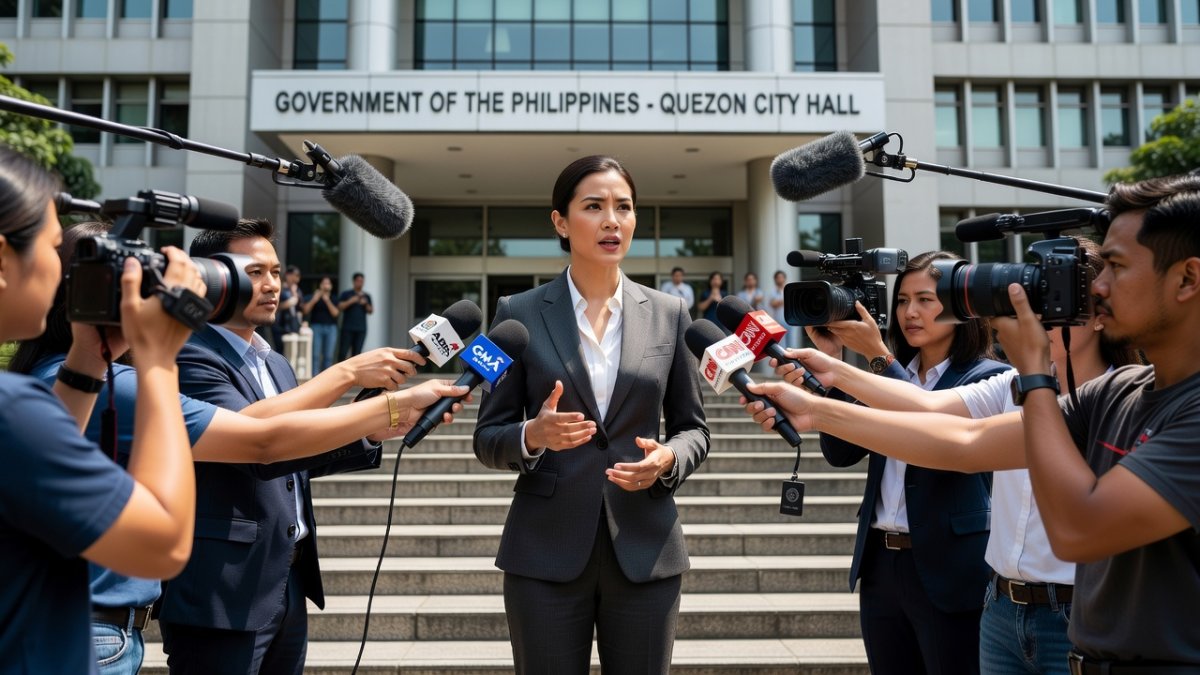
Rep. Diokno addressed the constitutional requirement that two-thirds of the Senate must vote to convict Vice President Duterte. He noted that the 1987 Philippine Constitution sets this threshold but leaves open the question of how to count the votes, whether among all 24 senators or only those present and voting on the day of the decision. This distinction carries direct consequences for the trial outcome and future interpretations of Senate impeachment rules.
Diokno emphasized that the two-thirds requirement itself cannot be altered by Senate leadership or external parties. The debate centers on practical application during sessions when some senators may be absent due to health, travel, or other official duties. House prosecutors have prepared arguments that focus on the text of the Constitution while anticipating challenges from the defense team on procedural matters.
The 139 House lawmakers who donated a combined P9.29 million for Mindanao quake relief illustrate how legislative attention remains divided between the impeachment trial and immediate humanitarian needs. These donations, coordinated through congressional channels, reached affected barangays in Davao and surrounding provinces within days of the disaster. The dual focus shows lawmakers balancing long-term accountability questions with urgent recovery work on the ground.
Farmers and small business owners in regions still clearing debris from the earthquake view the vote-counting issue as more than a legal technicality. A clear conviction standard affects public confidence that leaders who mishandle resources will face consequences, which in turn influences how communities allocate limited local budgets for future disaster preparedness.
Reactions From the Prosecution Panel
Rep. Luistro stated that only senators who attend the trial sessions truly represent Filipino interests in the impeachment process. He added that it does not matter whether Senator Gatchalian or Senator Escudero ultimately presides, because the full Senate body holds collective responsibility under the Constitution. Luistro's comments came during a press briefing at the House after the private prosecutors were introduced.
Atty. Kapunan reinforced her independence by repeating that no one from Malacanang directed her approach to the case. She expressed willingness to question Vice President Duterte directly if the opportunity arises during witness testimony. Other members of the first batch of private prosecutors echoed the same position, underscoring that their participation stems from professional commitment rather than political alignment.
The panel organized its strategy around presenting evidence methodically, beginning with documents related to the articles of impeachment and moving toward live witness accounts. This approach aims to keep the focus on facts rather than spectacle, even as media coverage intensifies in the lead-up to the first Senate hearing. Panel members noted that public interest remains high in provinces far from Manila.
Jeepney drivers and sari-sari store owners in Metro Manila neighborhoods discuss these developments during daily commutes, recognizing that the trial outcome could influence national leadership stability. Their conversations often return to how elected officials handle both political accountability and practical governance tasks such as infrastructure repair after natural disasters.
What This Means for the Filipino People
The impeachment trial directly touches questions of governance that affect daily life across the archipelago. When senators deliberate on the evidence, their decisions shape public trust in institutions that manage everything from disaster funds to local infrastructure projects in places like Baguio and Cebu. Families rely on consistent leadership to maintain services that support OFW remittances and community programs.
The P9.29 million donation from House members for Mindanao quake relief demonstrates how legislative work continues alongside the trial. Residents in affected areas need both accountability for past actions and immediate support for rebuilding homes and livelihoods. The trial process therefore carries implications for how future relief efforts are funded and overseen by national agencies.
Students and young professionals in Quezon City and Davao City follow the proceedings because they represent the next generation of voters who will judge whether the system delivers fair outcomes. The presence of private prosecutors like Atty. Kapunan signals that legal expertise will guide the presentation of evidence, which could strengthen or weaken confidence in the Senate's role as impartial judges.
Bayanihan spirit remains visible in barangay-level responses to both the trial coverage and ongoing recovery work. Communities organize discussions and information-sharing sessions that connect national political events to local realities, ensuring that the impeachment process does not remain distant from the people it ultimately serves.
What Comes Next
The Senate is expected to convene initial organizational sessions this week to set the trial schedule and confirm presiding arrangements. Witness lists and evidence schedules will follow, with the first formal hearings likely occurring within the next several weeks under the rules established by the 1987 Philippine Constitution. Private prosecutors will begin coordinating with House panel members on opening statements.
Senators Gatchalian and Escudero continue to be mentioned as possible presiding officers, though the final selection rests with the Senate body. The 24 senators who will serve as judges must balance their regular legislative duties with the demands of the impeachment court, a dual role that requires careful time management during session periods.
Filipinos across the country can monitor developments through official Senate channels and reputable broadcasts that provide updates on evidence presentation and procedural rulings. Key moments to watch include the first day of witness testimony and any preliminary votes on evidentiary questions that could set the tone for the remainder of the trial.
Local government units in Mindanao continue their recovery work even as national attention turns to the Senate proceedings. The parallel tracks of disaster response and political accountability highlight how governance at multiple levels affects families waiting for both justice and practical assistance in rebuilding their communities.
By Bella Reyes, Staff Writer
This article was produced with AI-assisted research and editorial support. Reporting is based on sources cited in the article.
What's Your Reaction?
 Like
0
Like
0
 Dislike
0
Dislike
0
 Love
0
Love
0
 Funny
0
Funny
0
 Wow
0
Wow
0
 Sad
0
Sad
0
 Angry
0
Angry
0

Philippines/Southeast Asia Correspondent at Global1.News. Manila-based journalist covering Philippine politics, environment, maritime security, and social issues. Passionate about marine conservation and the communities protecting the Philippines' natural heritage.












Comments (0)