
Prinok Baby Food Scandal: Sedatives in Jerusalem Markets
Prinok Baby Food Scandal: Sedatives Found in Jerusalem Supermarkets as Shin Bet Investigates Possible Terror Link The Discovery at Zol U'Begadol The young patients first alerted authorities after showing clear signs of distress following meals prepared from jars purchased at the central Jerusalem supermarkets. In the Jaffa Street stores, specifically the Mahaneh Yehuda outlet a
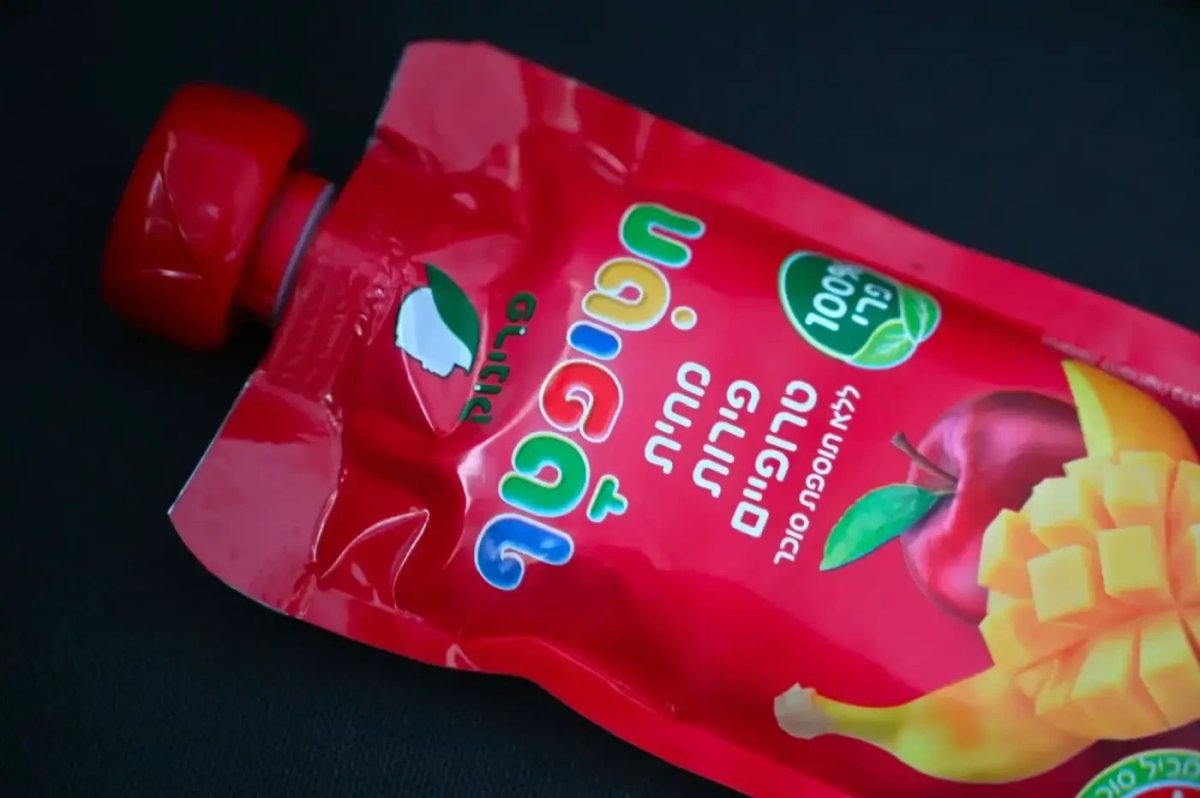
Prinok Baby Food Scandal: Sedatives Found in Jerusalem Supermarkets as Shin Bet Investigates Possible Terror Link
The Discovery at Zol U'Begadol
The young patients first alerted authorities after showing clear signs of distress following meals prepared from jars purchased at the central Jerusalem supermarkets. In the Jaffa Street stores, specifically the Mahaneh Yehuda outlet and its counterpart further along the thoroughfare, five contaminated jars surfaced during routine checks and family reports. Three came directly from the affected families' households while two emerged from shelf sampling conducted at the two branches. These jars displayed unmistakable signs of having been unlawfully opened prior to purchase, raising immediate alarms about tampering at the retail level rather than earlier in the chain. The hospitalized toddlers and infants, consisting of two pairs of siblings aged three and one along with one additional child, had all ingested Prinok brand baby fruit puree acquired exclusively from these locations. Symptoms manifested rapidly as drowsiness, weakness, apathy and confusion, prompting swift transport to Hadassah Ein Kerem Medical Center where all five children received care before eventual discharge in stable condition. Lab confirmation later identified the presence of clonazepam and lorazepam, benzodiazepines commonly found in medications such as Valium and Clonex, within the puree contents. This discovery at the affected retail sites immediately shifted focus toward the possibility of deliberate interference at the point of sale, prompting branch managers to face criminal questioning by Jerusalem Police. The Health Ministry responded by issuing closure orders for both Zol U'Begadol branches, effectively halting operations at the Mahaneh Yehuda area store and the second central Jerusalem supermarket amid growing public concern over product safety in everyday shopping environments.
Further examination revealed no traces of contamination originating from production facilities or importer warehouses, narrowing suspicion squarely to actions taken after the jars reached the shelves of the Jaffa Street stores. The five affected children represented a cross-section of local families who regularly shopped at these convenient outlets, underscoring how routine purchases could expose the most vulnerable to unforeseen risks. As details emerged, the apparent pre-purchase opening of the jars suggested a targeted approach rather than random manufacturing error, fueling speculation about motives behind the placement of sedatives in items intended for infants and toddlers. Police and health officials coordinated initial responses at the two branches, collecting additional samples that corroborated the initial findings from family-submitted jars. This phase of the inquiry highlighted vulnerabilities in supermarket security protocols across Jerusalem, where high foot traffic at sites like the Mahaneh Yehuda outlet could facilitate undetected tampering. The young patients' recovery offered some relief, yet the incident left lingering questions about oversight at popular retail chains serving dense urban populations.
Timeline: From Hospital to Investigation
The sequence began when the affected families' children exhibited symptoms after consuming the puree, leading to their admission at Hadassah Ein Kerem Medical Center. All five children, including the pairs of siblings and the fifth young patient, displayed consistent reactions that medical staff quickly linked to possible ingestion of foreign substances. Initial reports from parents pointed to purchases made at the two Jaffa Street stores, prompting early involvement of local authorities. Jerusalem Police took custody of samples but routed them through channels that resulted in weeks of delay before formal laboratory analysis occurred. During this interval, a second wave of hospitalizations involving three additional children unfolded, underscoring the urgency that had not yet been fully addressed by testing protocols. Only after the Health Ministry directly requested examination did confirmation arrive this week, identifying the benzodiazepines in the five jars recovered from the central Jerusalem supermarkets and family homes.
Shin Bet entered the probe shortly thereafter, expanding the scope beyond routine criminal inquiry into potential national security implications. The timeline reveals critical gaps where the hospitalized toddlers and infants continued to face exposure risks while evidence sat unprocessed. Branch managers from the Mahaneh Yehuda outlet and the second location underwent questioning as investigators pieced together purchase records and surveillance footage from the affected retail sites. This progression from bedside observations to inter-agency collaboration illustrates the challenges of coordinating between medical facilities, police and security services in fast-moving public health threats. The eventual closure orders and public alerts followed the lab results, marking a shift from localized response to broader containment measures across Jerusalem's supermarket network.
Health Ministry Findings and the Supply Chain Question
Health Ministry tests isolated the sedatives exclusively within the five jars linked to the Jaffa Street stores, confirming that clonazepam and lorazepam had been introduced after the products left the importer. This finding eliminated concerns about upstream production or distribution, directing attention instead to activities at the two branches where the young patients' families had shopped. The absence of similar contamination elsewhere in the supply chain provided a measure of reassurance for other retailers yet intensified scrutiny on security practices at the Mahaneh Yehuda area supermarket and its counterpart. Officials emphasized that the jars' pre-purchase openings indicated human intervention at the point of retail rather than any systemic flaw in manufacturing standards.
These results prompted immediate closure orders, removing the affected retail sites from operation while further sampling continued. The ministry's conclusions reinforced that the five children had encountered the substances solely through items bought at these locations, shaping subsequent investigative priorities around in-store vulnerabilities. Public health messaging focused on advising consumers to inspect packaging carefully, particularly at busy Jerusalem outlets where such tampering could occur unnoticed. The supply chain analysis ultimately served to isolate the incident, allowing resources to concentrate on the specific circumstances surrounding the central Jerusalem supermarkets without broader market disruptions.
Shin Bet and the National Security Dimension
Shin Bet's participation transformed the matter from a localized food safety issue into one potentially involving nationalistic motives, as Jerusalem Police examined evidence of possible terror-related tampering. The agency's involvement reflected the gravity of sedatives appearing in baby food sold at the two Jaffa Street stores, where the young patients had acquired the puree. Investigators assessed whether the unlawful openings represented an attempt to target civilian populations through everyday consumer goods, a tactic that could sow widespread fear in Jerusalem communities. This dimension elevated the probe beyond standard criminal channels, incorporating intelligence assessments alongside forensic analysis of the five contaminated jars.
The national security angle prompted coordinated efforts between security services and health regulators, ensuring that any patterns suggesting ideological intent received thorough evaluation. While no definitive links emerged immediately, the presence of benzodiazepines in items destined for the hospitalized toddlers and infants warranted heightened vigilance at similar retail environments. Shin Bet's role underscored Israel's layered approach to threats that blur the line between criminal acts and security challenges, particularly when they involve vulnerable groups such as the affected families' children. Ongoing inquiries at the closed branches continued to explore these possibilities without premature conclusions.
Regulatory Questions Over Delayed Response
The weeks-long lag in processing initial samples sent through police channels exposed shortcomings in inter-agency coordination that allowed a second set of hospitalizations to occur before formal testing began. The Health Ministry's eventual direct request for analysis this week came only after additional children from the central Jerusalem supermarkets had shown symptoms, highlighting procedural inefficiencies that placed the young patients at continued risk. Such delays raised concerns about how evidence from the Jaffa Street stores navigated bureaucratic pathways before reaching laboratories capable of identifying the clonazepam and lorazepam.
Questions centered on why early alerts from the affected families did not trigger expedited handling, especially given the clear symptoms of drowsiness and confusion in all five children. Regulatory reviews now focus on streamlining future submissions from retail sites like the Mahaneh Yehuda outlet to prevent similar lapses. The episode demonstrated the need for clearer protocols when potential tampering at popular supermarkets intersects with public health emergencies, ensuring that closure orders and warnings reach consumers faster. These reflections aim to strengthen safeguards for Jerusalem residents who depend on accessible grocery outlets for essential items including baby products.
Compensation Under Israeli Tort Law
Attorney Assaf Warsha, a specialist in tort law, outlined pathways for the affected families to pursue claims under Israeli tort law for both physical and psychological harms stemming from the incident. The young patients' exposure at the two branches could form the basis for direct injury compensation, while parents might qualify as indirect victims eligible for damages related to emotional distress and ongoing anxiety. Israeli tort principles allow recovery when negligence or intentional acts at retail locations like the Jaffa Street stores lead to foreseeable harm, particularly in cases involving minors.
Discussions emphasize documenting medical records from Hadassah Ein Kerem Medical Center alongside evidence of the contaminated jars' origins. Potential liability could extend to the supermarket operators for failing to secure stock against tampering, opening avenues for substantial awards that account for the sedative effects experienced by the hospitalized toddlers and infants. Warsha noted that classification of family members as indirect victims strengthens arguments for comprehensive redress, reflecting broader judicial recognition of ripple effects in such public safety failures. These legal avenues provide structured mechanisms for accountability while the criminal and security investigations proceed.
Impact on Jerusalem Families
The episode reverberated deeply through households that frequent the Mahaneh Yehuda outlet and the second central Jerusalem supermarket, eroding confidence in routine purchases of baby food items. The five children who required care at Hadassah Ein Kerem Medical Center returned home in good condition, yet their families grappled with the aftermath of discovering sedatives in products meant for the most vulnerable. This breach at the Jaffa Street stores prompted many parents to reassess shopping habits, favoring alternative outlets while demanding enhanced security measures at popular retail sites.
Community discussions highlighted the shared vulnerability of Jerusalem residents who rely on convenient branches for daily needs, amplifying calls for transparency from both regulators and store operators. The psychological toll on the affected families' children and their relatives extended beyond the acute symptoms, fostering a climate of caution around packaged goods. As investigations by police and Shin Bet advanced, local families sought reassurance that similar risks at the closed branches would not recur, underscoring the incident's lasting imprint on everyday life in the capital's neighborhoods.
By Hannah Berg, Staff Writer
This article was produced with AI-assisted research and editorial support. Reporting is based on sources cited in the article.
What's Your Reaction?
 Like
0
Like
0
 Dislike
0
Dislike
0
 Love
0
Love
0
 Funny
0
Funny
0
 Wow
0
Wow
0
 Sad
0
Sad
0
 Angry
0
Angry
0

Israel Correspondent at Global1.News. Based in Tel Aviv, covering Israeli politics, security, technology, and society. Provides balanced, deeply-sourced reporting on one of the most closely-watched regions in the world.














Comments (0)