
Ottawa Fast-Tracks 3 Major Northern Projects Under Building Canada Act
Yellowknife, N.W.T. — June 24, 2026 In a recent CBC News report titled "Government announces first three major projects of national interest," federal ministers outlined the initial designations under the Building Canada Act during a news conference in Yellowknife. The announcement marks the first application of the new law's national interest mechanism to three specific infras
The Announcement and Its Timing
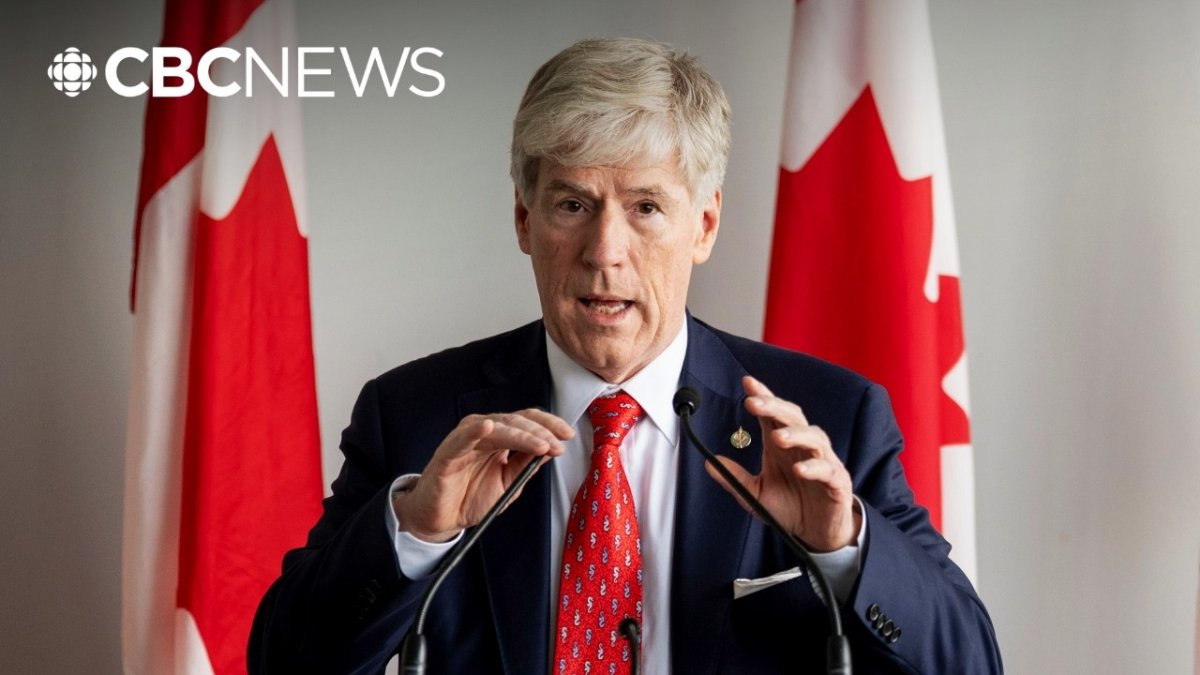
Federal ministers Tim Hodgson, Steven MacKinnon and Rebecca Alty made the announcement on June 24, 2026, in Yellowknife. Minister MacKinnon stated that Canada is launching the process that leads to three projects being listed as projects of national interest under the Building Canada Act.
The first two projects, the Mackenzie Valley Highway and the Grays Bay road and port project, were described by MacKinnon as nation-building initiatives. The third project, the Nuclear Waste Management Organization's Deep Geological Repository, was presented as a facility designed to provide the safe long-term management of Canada's use of nuclear fuel.
The Building Canada Act received Royal Assent on June 26, 2025, as part of Bill C-5, the One Canadian Economy Act. It creates a mechanism for the federal government to designate projects of national interest and shift regulatory reviews from questions of whether a project should proceed to questions of how it should proceed.
Mackenzie Valley Highway Project
The Mackenzie Valley Highway Project proposes an 800-kilometre all-season gravel road through the Mackenzie Valley in the Northwest Territories. The route would connect remote communities to the existing southern highway network and create a new economic corridor for resource development.
Construction on the final leg could begin as early as 2028. The project has long been desired by northern communities for improved access to services and greater resilience against supply disruptions. Some communities have not yet fully embraced every aspect of the route.
Premier of the Northwest Territories R.J. Simpson said the designation represents an important step for the Mackenzie Valley Highway and for the future of the Northwest Territories. He noted that communities would gain stronger connections, greater resilience, improved access to services and new economic opportunities.
Grays Bay Road and Port Project
The Grays Bay Road and Port Project would construct a 230-kilometre all-season road and an Arctic deepwater port in Nunavut. The road would link the Northwest Territories highway system to the Coronation Gulf and provide Canada with its first strategic Arctic deepwater port.
Construction is expected to begin in 2029. The project would unlock major zinc and copper deposits, including the Izok and High Lake sites, and support Canada's critical minerals strategy. It would also enhance Arctic security and sovereignty at a time of growing geopolitical interest in the region.

Minister MacKinnon emphasised that the North remains central to Canada's economic future. The port and road combination would reduce reliance on seasonal marine access and create year-round supply options for communities and industry.
NWMO Deep Geological Repository
The Nuclear Waste Management Organization's Deep Geological Repository would be located near Wabigoon Lake Ojibway Nation and the Township of Ignace in northwestern Ontario. The facility follows world-recognised best practices for the safe, long-term storage of used nuclear fuel.
The project is recognised under the federal government's new Nuclear Energy Strategy and would support the continued safe operation and expansion of Canada's nuclear power facilities. It is expected to generate sustained economic activity, including specific Indigenous participation plans, with a target timeline around 2030.
The Building Canada Act Framework
The Major Projects Office oversees the national interest designation process. Sixteen projects and seven transformative strategies currently supported by the office represent a combined investment of more than $135 billion. The Act allows for streamlined and consolidated federal permits and authorizations once a project receives the national interest label.
Projects must still complete treaty-based impact assessment and regulatory processes. The shift in focus does not remove environmental or safety requirements but consolidates overlapping federal reviews into a single coordinated timeline.
Indigenous Consultation Requirements
Consultations with impacted Indigenous rights holders, provinces and territories will begin in the coming weeks, with the aim of supporting a listing decision in fall 2026. Section 35 of the Constitution Act, 1982 guides the duty to consult, and the United Nations Declaration on the Rights of Indigenous Peoples Act is recognised throughout the process.
The Inuvialuit, Gwich'in and Sahtu claim areas lie along the Mackenzie Valley route. The Grays Bay project would cross the Nunavut land claim area. The Deep Geological Repository sits near Wabigoon Lake Ojibway Nation territory. Support from Indigenous communities is described as critical to moving any project forward.
Economic and Strategic Implications
Canada faces acute housing and cost-of-living pressures in northern communities. Improved transportation corridors can lower the price of goods and expand employment options in regions where seasonal ice roads remain the only surface link for much of the year.
The critical minerals unlocked by the Grays Bay project align with federal efforts to secure domestic supply chains for battery and clean-technology manufacturing. The Mackenzie Valley Highway would similarly facilitate exploration in areas identified for critical mineral potential.
Nuclear energy expansion supported by the Deep Geological Repository forms part of Canada's broader energy transition strategy. Reliable long-term waste management is a prerequisite for new reactor construction and life-extension decisions at existing facilities in Ontario and New Brunswick.
Arctic infrastructure investments also address sovereignty concerns. A Canadian deepwater port in the Coronation Gulf would provide a permanent federal presence in waters that have seen increased foreign vessel traffic in recent years.
By Alex Thompson, Staff WriterThis article was produced with AI-assisted research and editorial support. Reporting is based on sources cited in the article.
What's Your Reaction?
 Like
0
Like
0
 Dislike
0
Dislike
0
 Love
0
Love
0
 Funny
0
Funny
0
 Wow
0
Wow
0
 Sad
0
Sad
0
 Angry
0
Angry
0

Canada Correspondent at Global1.News. Based in Toronto, covering Canadian politics, energy, trade, and US-Canada relations. Provides the Canadian perspective on North American and global affairs.















Comments (0)