
Oaxaca Mayor Joel Bravo Murdered After Protection Request
The Heartbreaking News from San Miguel Amatitlán The small municipality of San Miguel Amatitlán woke up to devastating news on June 13, 2026. Mayor Joel Ángel Bravo Martínez, a 53-year-old leader from the National Action Party, was shot dead inside his own home by armed intruders. Residents who knew him as a dedicated public servant now gather in quiet shock, sharing stories of
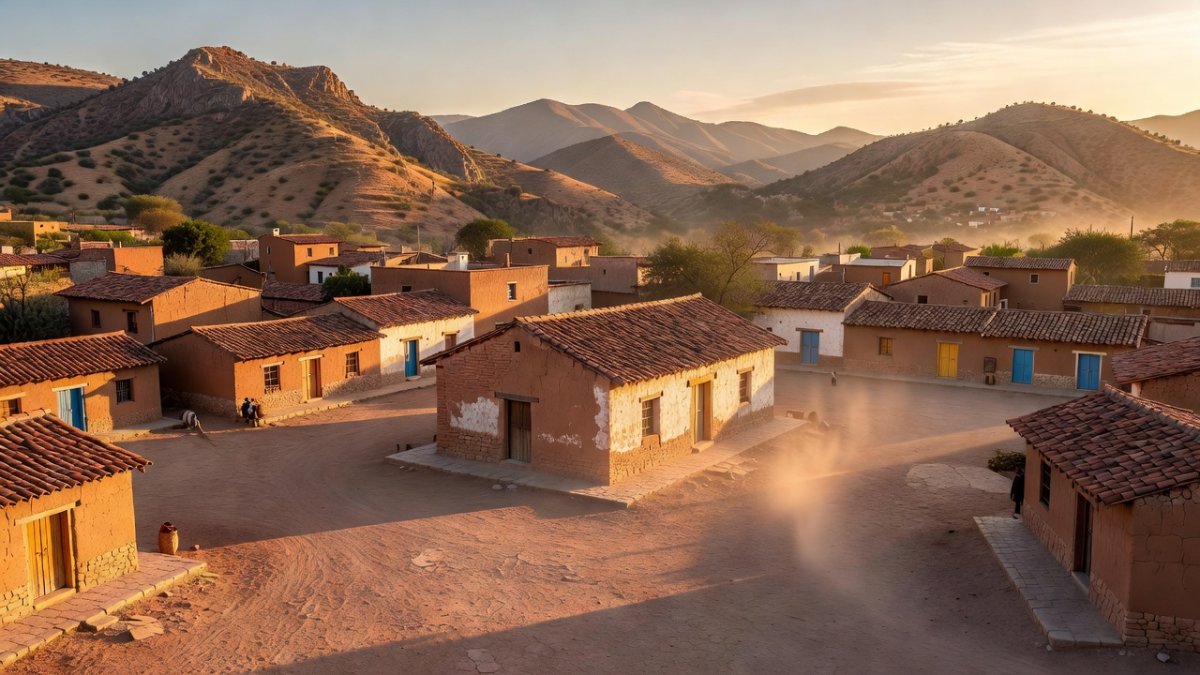
The Heartbreaking News from San Miguel Amatitlán
The small municipality of San Miguel Amatitlán woke up to devastating news on June 13, 2026. Mayor Joel Ángel Bravo Martínez, a 53-year-old leader from the National Action Party, was shot dead inside his own home by armed intruders. Residents who knew him as a dedicated public servant now gather in quiet shock, sharing stories of his work in the Mixtec region.
Bravo had served since 2022 and focused on everyday needs like road repairs and local markets. His death leaves a void felt deeply in the colonias where families rely on municipal support for basic services. Neighbors describe him as someone who listened during tianguis gatherings and tried to bring resources to rural areas.
The Oaxaca Attorney General's Office quickly sent teams from the State Investigation Agency and forensic services to collect evidence at the scene. No arrests have been made yet, and the motive remains unclear amid reports of multiple criminal groups active in the state. This tragedy echoes through the community like an unexpected storm during the rainy season.
Local people remember Bravo as a father and neighbor who understood the challenges of life in northern Oaxaca. His loss hits especially hard for those who saw him as a bridge between the municipality and higher authorities. The pain spreads from the town center to surrounding ejidos where campesinos depend on stable local government.
A Request for Protection That Never Arrived
Weeks before his death, Joel Bravo had spoken openly about fearing for his life during a regional security meeting on May 11. He reached out to state officials, including Governor Salomón Jara, and was reportedly promised bodyguards that never materialized. The PAN later highlighted this unfulfilled promise in strong terms.
Earlier, Bravo and other officials endured a violent attack and virtual kidnapping on the Acatlán-Oaxaca highway. That frightening episode prompted his urgent request for institutional help, yet the protection measures stayed on paper only. Families in the area understand how such threats can silence voices that speak up for their communities.
The absence of promised security left Bravo vulnerable in a region where local leaders often navigate complex pressures. Community members note that many mayors face similar risks but lack the connections to secure real safeguards. This gap between promise and action weighs heavily on ordinary residents who count on elected officials to stay safe and serve.
Bravo's family now faces an uncertain future without the support he sought for himself. In the Mixtec region, where extended families form the backbone of daily life, such losses ripple outward quickly. The story reminds everyone how fragile safety can feel when requests for help go unanswered.
Political Fallout — PAN Demands Accountability
The National Action Party issued a direct statement condemning the murder and pointing to state authorities' inaction. They described the killing as evidence of irresponsibility when a timely warning had been given. Party leaders called for immediate justice and clear answers about why protection never arrived.
In their words, Morena cannot hide behind speeches when an elected official ends up murdered after seeking help. This political tension plays out against the backdrop of Oaxaca's Morena-led government under Governor Jara. Opposition voices argue that such failures demand transparency rather than excuses.
Local PAN members in the Mixtec region echo these concerns, noting that mayors from various parties face the same dangers. They stress that accountability must reach beyond one case to protect all municipal leaders. The debate touches on broader questions of how state resources are allocated for security in rural areas.
Residents watch these exchanges with a mix of hope and skepticism, wanting practical results over partisan arguments. In communities where politics often intersects with daily survival, the focus stays on preventing future tragedies. The call for clarity resonates with families who simply want their leaders to return home safely each evening.
Violence Against Mayors — A Painful National Pattern
Reports indicate that close to 100 mayors have been killed across Mexico in the past two decades. Each case leaves behind grieving families and disrupted local governance that affects schools, clinics, and markets. The pattern stretches from large cities to small pueblos where leaders work closest to the people.
Examples like the assassination of Uruapan Mayor Carlos Manzo during a Day of the Dead event last November show how violence can strike during community celebrations. Such incidents disrupt the cultural rhythms that bind Mexican towns together. In Oaxaca, the loss of Bravo adds another name to this somber list.
National attention sometimes fades after the initial headlines, yet the impact lingers in the affected municipalities. Families in colonias across the country share similar stories of leaders who tried to improve conditions only to face threats. This ongoing challenge tests the resilience of democratic institutions at the grassroots level.
Advocates for municipal safety emphasize the need for better coordination between federal, state, and local levels. Without concrete steps, the cycle of fear continues to touch teachers, healthcare workers, and small business owners who depend on stable leadership. The human cost remains visible in every community that has lost a mayor.
Criminal Presence in Oaxaca — Cartels and Local Leaders
Several criminal organizations, including the Jalisco New Generation Cartel and the Sinaloa Cartel, maintain a presence in parts of Oaxaca. Their activities create an environment where local officials must navigate difficult realities while serving their constituents. Mayors like Bravo often find themselves caught between community needs and external pressures.
The FGEO continues its investigation with multidisciplinary teams focused on forensic details from the crime scene. Authorities have not released specific leads, leaving residents to wonder about the next steps in the case. In the Mixtec region, people discuss these developments during family gatherings and at the local tortillería.
Cartel influence can disrupt everything from agricultural transport to daily commerce in rural zones. Campesinos and maquiladora workers feel the effects through unstable roads and uncertain markets. Local leaders who try to maintain order without adequate support face heightened personal risks.
Community members emphasize that most residents simply want peaceful conditions to raise their children and honor traditions like Día de Muertos. The presence of armed groups complicates these basic aspirations. Stories from neighboring areas show how violence can change the fabric of daily life over time.
How This Affects Everyday Families in the Mixtec Region
In San Miguel Amatitlán and surrounding communities, families now wonder who will handle the practical matters Bravo once managed. From fixing water systems to supporting local schools, the absence of a mayor creates immediate gaps in services. Mothers and fathers worry about how their children will access education and healthcare without steady municipal leadership.
The Mixtec region relies on tight-knit networks where neighbors help one another during harvests and festivals. Bravo's death disrupts these connections at a time when many households already face economic pressures. Small business owners at the tianguis speak of lost opportunities for community projects he had championed.
Indigenous communities in the area often turn to their own traditions for strength during such losses. Elders recall past challenges and the importance of unity when external threats arise. Young people, including students preparing for quinceañeras or other milestones, sense the uncertainty that now hangs over local governance.
Healthcare workers and teachers in the region describe how violence against leaders can indirectly affect their ability to serve. When municipal support falters, programs for vulnerable families suffer first. The story of Joel Bravo thus touches not just one household but an entire web of relationships that sustain daily life.
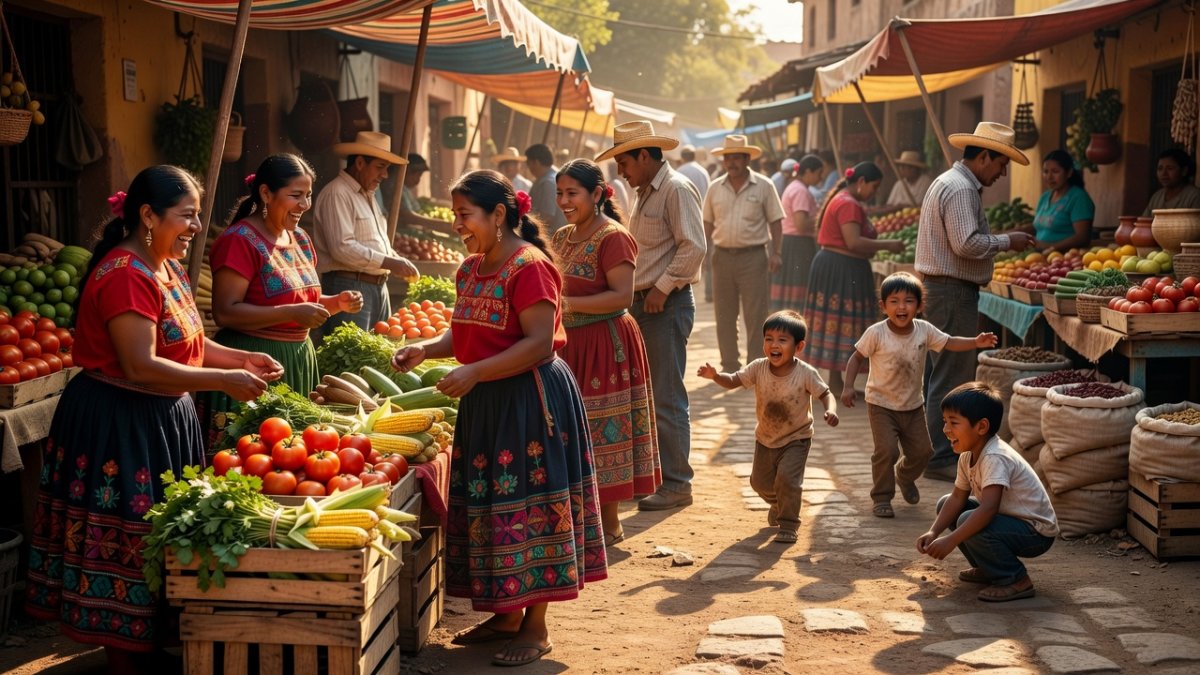
What Happens Next — Investigations and Calls for Reform
Governor Salomón Jara has directed the State Security Cabinet to assist the FGEO in the ongoing probe. His public statement expressed condolences while stressing that violence will not prevail over the law. Observers await concrete developments in the case that could bring answers to Bravo's family.
Calls for improved protection protocols for mayors have grown louder in the wake of this tragedy. Reform discussions focus on timely responses to reported threats and better coordination among agencies like the Guardia Nacional and state forces. Community leaders hope these conversations lead to practical changes rather than temporary measures.
In the Congreso de la Unión, voices from different parties may revisit legislation aimed at shielding local officials. Past experiences show that sustained attention is needed to turn promises into functioning systems. Families across Oaxaca watch these developments closely, wanting assurance that future requests for help will receive real follow-through.
The investigation remains in its early stages, with forensic teams still processing evidence from the scene. Residents understand that justice takes time, yet they also seek visible signs that authorities are prioritizing the case. This moment offers an opportunity to strengthen safeguards that protect those who serve their communities.
A Community Mourns in the Shadow of Fear
San Miguel Amatitlán now moves through its days with a heavier heart as neighbors prepare to honor Joel Bravo. Traditional elements of mourning, from shared meals to quiet reflections at the local church, help families process their grief. The community draws on its deep cultural roots to find moments of solidarity amid the sorrow.
Many residents express a desire for peace so that children can grow up without the constant shadow of violence. They remember Bravo not only as a political figure but as someone who participated in everyday life, from supporting local sports to attending pueblo gatherings. His legacy lives on in the stories passed among families.
The broader Mixtec region shares in this mourning, recognizing that threats to one leader affect the collective sense of security. Indigenous groups and ejido members alike call for dialogue that includes their voices in shaping safer conditions. This tragedy underscores the need for solutions rooted in the realities of rural Oaxaca.
As investigations continue, the people of San Miguel Amatitlán hold onto hope that accountability will emerge. They continue their routines at the taquería and in the fields, demonstrating the quiet strength that defines Mexican communities facing hardship. The memory of their mayor serves as a reminder of the importance of protecting those who work closest to the people.
Tags: Oaxaca mayor murder, Joel Bravo, San Miguel Amatitlán, PAN, Morena, cartel violence, Mixtec region, FGEO, community safety, municipal leaders
By Rosa Martinez, Staff Writer
This article was produced with AI-assisted research and editorial support. Reporting is based on sources cited in the article.
What's Your Reaction?
 Like
0
Like
0
 Dislike
0
Dislike
0
 Love
0
Love
0
 Funny
0
Funny
0
 Wow
0
Wow
0
 Sad
0
Sad
0
 Angry
0
Angry
0
Latin America/Andes Correspondent at Global1.News. Based in Bogota, covering politics, environment, energy, and social movements across the Andean region. Passionate about environmental journalism and communities protecting their land.











Comments (0)