
Oaxaca Mayor Joel Bravo Murdered After Protection Request Ignored
**Keywords:** Joel Bravo murder, Oaxaca mayor killed, San Miguel Amatitlán, PAN Morena conflict, Oaxaca cartels, FGEO investigation, Mexican mayors assassinated, Salomón Jara, Mixtec region violence, security failures Mexico The Brutal Killing of Mayor Joel Ángel Bravo Martínez The quiet morning in San Miguel Amatitlán shattered when armed men forced their way into the home of
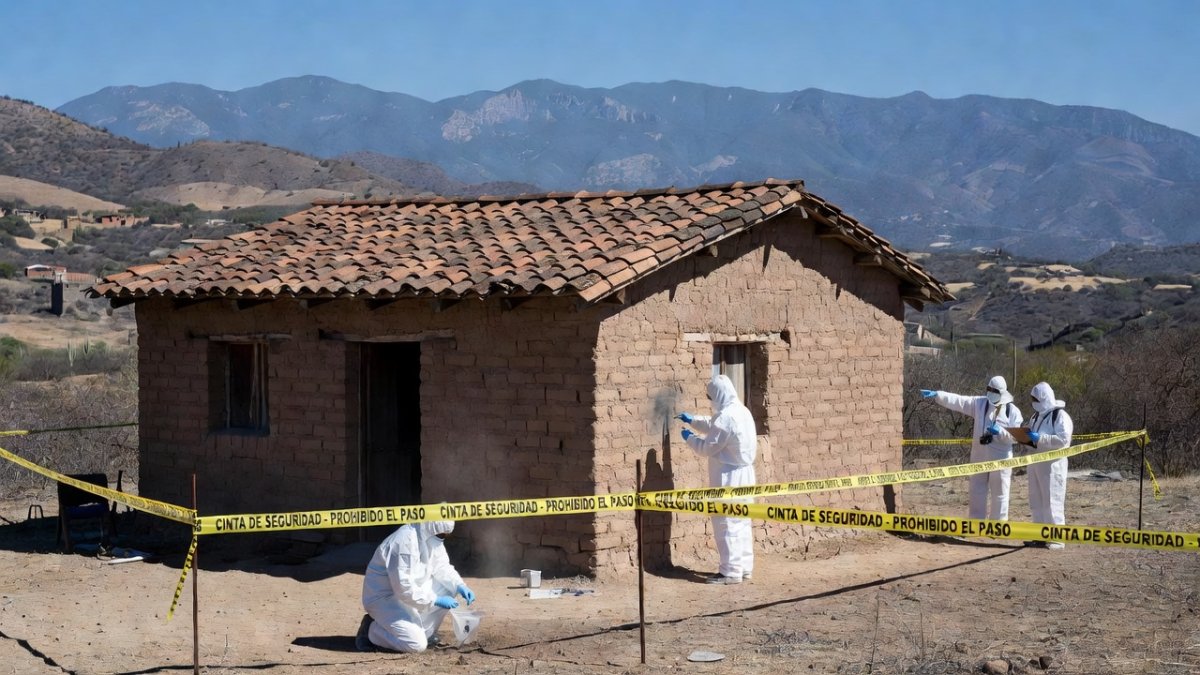
The Brutal Killing of Mayor Joel Ángel Bravo Martínez
The quiet morning in San Miguel Amatitlán shattered when armed men forced their way into the home of Mayor Joel Ángel Bravo Martínez. The 53-year-old leader of this Mixtec municipality in northern Oaxaca died instantly from gunshot wounds. Residents who heard the shots described a scene of chaos as neighbors rushed to the scene only to find the mayor lifeless.
Local families in the surrounding colonias woke to the news that their elected representative had been taken from them in the most violent way. Many had seen Bravo walking the streets during his regular visits to the tianguis or attending community meetings. His death left an immediate void in a place where mayors often serve as the direct link between residents and distant state offices.
The Oaxaca Attorney General’s Office quickly confirmed the homicide and deployed teams from the State Investigation Agency along with forensic personnel. Officers cordoned off the area while collecting evidence. The rapid response reflected the gravity of losing another municipal authority in a state already struggling with targeted violence.
News of the killing spread through Oaxaca's rural networks within hours. Relatives and municipal workers gathered outside the home, many expressing disbelief that a man who had served since 2022 could be cut down inside his own residence. The attack underscored how personal security remains fragile for public servants in remote regions.
Repeated Warnings and Failed Protection Requests
Just weeks earlier, Bravo had stood before state officials at a regional security meeting on May 11 and stated plainly that he feared for his life. He described previous threats and asked for bodyguards. According to the National Action Party, those protection measures were promised but never delivered.
The mayor had already survived one direct attack. Armed men intercepted his vehicle on the Acatlán-Oaxaca highway, beating him and other officials before robbing them. That incident prompted an urgent appeal to Governor Salomón Jara’s administration. Despite the clear danger, no security detail arrived to shield him.
Community members in San Miguel Amatitlán recall how Bravo continued his duties even after the highway assault. He attended ejido assemblies and met with campesinos who needed help navigating state programs. His persistence reflected the deep sense of responsibility many municipal leaders feel toward their pueblos.
The absence of promised protection has left residents questioning why warnings from elected officials sometimes receive little follow-through. Families who depend on the mayor’s office for basic services now wonder how future leaders will feel safe enough to serve openly.
Political Fallout Between PAN and Morena
The National Action Party issued a forceful statement condemning the murder and pointing directly at the state government’s inaction. Party leaders noted that Bravo had personally explained his situation to Governor Jara, yet the requested support never materialized. They demanded immediate answers and justice for the family.
Morena officials in Oaxaca have so far avoided addressing the specific protection request. Governor Jara expressed condolences on social media and ordered the State Security Cabinet to assist the investigation. He emphasized that violence would not prevail, but offered no comment on the earlier appeal for bodyguards.
This tragedy has reignited familiar tensions between opposition parties and the ruling Morena administration in the state. Local PAN members argue that political differences should never interfere with basic safety measures for any mayor, regardless of party affiliation. The debate now echoes through municipal halls across Oaxaca.
Ordinary citizens watching the exchange feel caught between competing narratives. Many simply want authorities to focus on catching those responsible rather than scoring political points. In colonias far from the capital, the priority remains restoring a sense of security for daily life.
Cartel Influence and Security Challenges in Oaxaca
Oaxaca’s diverse geography has long attracted criminal organizations seeking routes for moving illicit goods. Both the Jalisco New Generation Cartel and the Sinaloa Cartel maintain a presence in parts of the state. Their activities create constant pressure on local governments that lack resources to confront well-armed groups.
Mayors in rural municipalities often find themselves squeezed between these powerful networks and the expectations of their communities. Bravo’s case illustrates how even a direct request for help can go unanswered when state forces are stretched thin across vast territories.
The Mixtec region where San Miguel Amatitlán sits has seen rising incidents of extortion and roadblocks in recent years. Small business owners and farmers report being approached by strangers demanding payments. These pressures make the work of municipal authorities especially dangerous.
Residents note that federal and state operations sometimes clear an area only for criminal groups to return once attention shifts elsewhere. This cycle leaves communities feeling exposed and uncertain about whom they can turn to for reliable protection.
The Human Cost on San Miguel Amatitlán and Beyond
Behind the political statements stand the people of San Miguel Amatitlán who must now navigate daily life without their mayor. Teachers wonder how school funding requests will be handled. Healthcare workers at the local clinic worry about delays in medicine deliveries that Bravo had helped coordinate.
Indigenous families in surrounding comunidades indígenas remember the mayor attending Día de Muertos observances and supporting traditional festivals. His presence at these events reinforced the connection between municipal government and cultural life. That link has now been severed.
Children who once greeted Bravo during his walks through the plaza now ask their parents why someone who helped their families could be killed so easily. Parents struggle to explain the broader security failures that allowed the attack to happen.
The ripple effects extend to neighboring municipalities where other mayors are reconsidering how openly they can engage with residents. Some have begun traveling with private security at their own expense, highlighting the uneven protection available to elected officials.
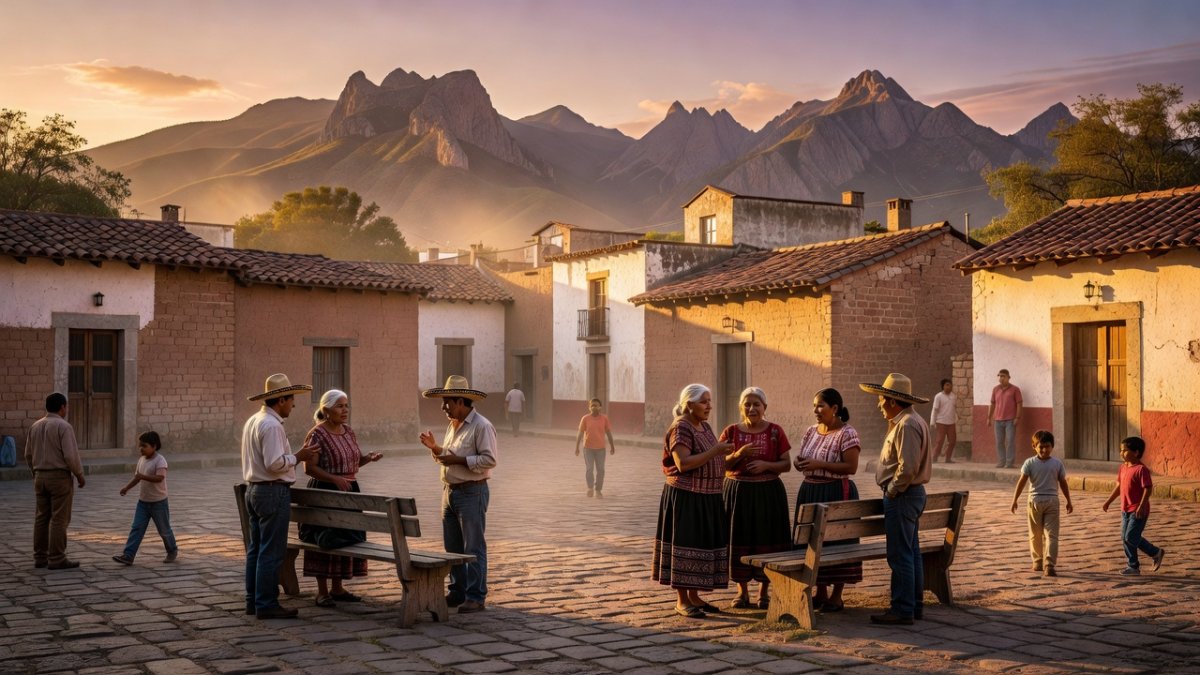
State and Federal Responses to the Assassination
The FGEO immediately coordinated with the state and federal Security Cabinet after the killing. Tactical operations were launched to block escape routes and search for suspects. No arrests have been reported so far, and investigators continue to examine the motive.
Governor Jara directed all available resources toward the case and pledged that the crime would not go unpunished. His statement avoided any reference to the protection request Bravo had made earlier. The focus remained on the ongoing investigation and support for the grieving family.
Federal agencies have joined the effort, though specific operational details remain limited. The coordinated response reflects recognition that attacks on municipal leaders require swift action to prevent further escalation in already tense regions.
Community leaders in San Miguel Amatitlán have called for transparency throughout the process. They want regular updates so residents can see that the investigation is moving forward rather than fading once initial attention passes.
Remembering a Dedicated Public Servant
Joel Ángel Bravo Martínez served his community from 2022 until his death, focusing on issues that directly affected daily life in the Mixtec municipality. Colleagues describe a man who answered calls at all hours and visited remote rancherías to hear concerns firsthand.
His work touched programs related to IMSS and ISSSTE services, road maintenance, and support for small farmers. These efforts may seem modest from afar but represented real improvements for families who previously had to travel long distances for basic assistance.
As the investigation continues, residents of San Miguel Amatitlán are organizing a memorial that will honor both the mayor’s life and the need for safer conditions for future leaders. The community hopes his death will prompt lasting changes rather than another round of temporary operations.
The broader pattern of violence against Mexican mayors, documented over two decades, makes this case part of a painful national story. Yet for the people who knew Bravo personally, the loss remains deeply local and immediate.
Tags: Oaxaca violence, mayor assassination, PAN, Morena, San Miguel Amatitlán, cartel activity, security failures, Mixtec communities
By Rosa Martinez, Staff Writer
This article was produced with AI-assisted research and editorial support. Reporting is based on sources cited in the article.
What's Your Reaction?
 Like
0
Like
0
 Dislike
0
Dislike
0
 Love
0
Love
0
 Funny
0
Funny
0
 Wow
0
Wow
0
 Sad
0
Sad
0
 Angry
0
Angry
0

Latin America/Andes Correspondent at Global1.News. Based in Bogota, covering politics, environment, energy, and social movements across the Andean region. Passionate about environmental journalism and communities protecting their land.












Comments (0)