
No Witnesses on Sixth Day of VP Sara Duterte's Trial
The impeachment trial of Vice President Sara Duterte continues to draw intense interest from Filipinos across the archipelago, as the Senate impeachment court navigates uncharted territory with its first proceeding against a sitting vice president. This case raises critical questions about accountability, financial transparency, and institutional balance that resonate deeply in communities from Manila to Mindanao.
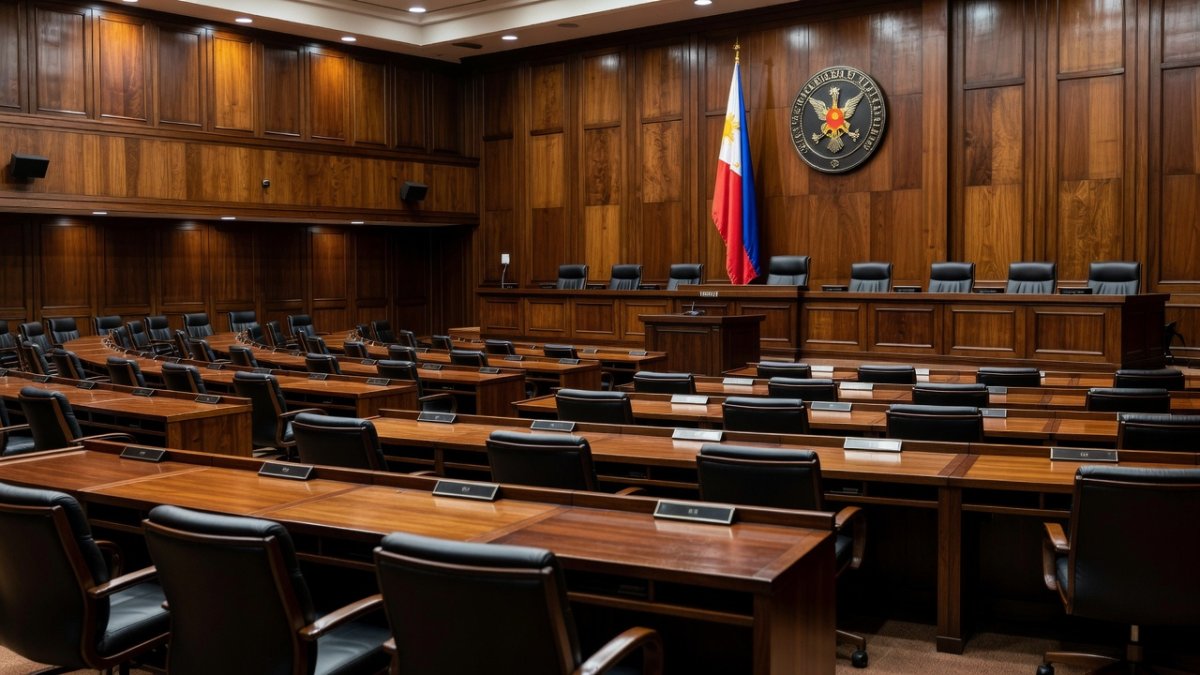
Day 6 of VP Duterte Impeachment: No Witnesses Called
MANILA, Philippines — Article continues...
No Witnesses on Sixth Day of VP Sara Duterte's Trial
Trial Developments Unfold in Senate Chamber
The sixth day of the impeachment trial against Vice President Sara Duterte is scheduled to convene at 2 p.m. on Wednesday, July 15, 2026, inside the Senate building in Pasay City. This proceeding marks the first impeachment trial of a sitting vice president in Philippine history. The House prosecution panel has requested that the Senate impeachment court dispense with the testimonies of Duterte's chief of staff Zuleika Lopez and House security official Capt. Belinda Bello. Senator Francis "Chiz" Escudero, elected presiding officer by a 12-8 vote, is expected to guide the day's focus toward oral arguments rather than live witness accounts. From July 13 to 14, NBI Regional Director Jeremy Lotoc already provided testimony related to Article IV charges, advancing the schedule that began on July 6, 2026.
The current proceedings mark the first impeachment trial of a sitting vice president, distinguishing it from the 2012 Corona trial that removed the chief justice and the 2000 Estrada trial that ended with presidential resignation. Unlike the Ombudsman Conchita Carpio-Morales impeachment attempt in 2011, which never reached a full Senate vote, this case tests whether the Senate can maintain procedural neutrality when the respondent belongs to a powerful political family with significant legislative allies.
Significance of No Witness Testimony Today
The absence of witness testimony on this sixth day represents a deliberate shift in pace for the Senate impeachment court. By agreeing to set aside the appearances of Zuleika Lopez and Capt. Belinda Bello, the prosecution panel allows the proceedings to move directly into legal arguments. This adjustment highlights how the trial is being phased in with careful sequencing, ensuring that procedural matters receive full attention before additional evidence is presented. In previous days, testimony from NBI Regional Director Jeremy Lotoc helped establish context for the charges, yet today the court prioritizes discussion over new statements from individuals. Such decisions reflect the Senate's role in balancing efficiency with thorough examination, a process that connects directly to the traditions of the upper chamber in handling high-stakes political matters.
Subpoena Battle Over Financial Records
Oral arguments today will center on the issuance of subpoenas for bank records, Anti-Money Laundering Council records, and Bureau of Internal Revenue records belonging to Vice President Sara Duterte and her husband Manases Carpio. The House prosecution panel seeks these documents to support broader allegations tied to the impeachment complaints, including questions around the P6.5 million confidential fund issue. The Senate impeachment court must weigh these requests carefully, as they involve sensitive financial data from multiple government agencies. This phase of the trial is coming into force through structured legal debate rather than immediate document production. The outcome could shape how future impeachment proceedings handle access to personal financial information, especially when public officials face scrutiny from both the House and Senate.
In past impeachment proceedings, the Senate has asserted broad powers to subpoena financial records despite bank secrecy protections. During the 2012 trial of Chief Justice Renato Corona, lawmakers compelled disclosure of his dollar accounts after the Supreme Court narrowed the scope of Republic Act 1405, ruling that impeachment courts could pierce secrecy when public interest outweighed privacy. Similarly, the aborted 2000 trial of President Joseph Estrada saw the Senate seek bank documents linked to alleged jueteng payoffs, establishing precedent that impeachment tribunals may override confidentiality statutes when corruption allegations involve public funds.
Defense lawyers for Vice President Sara Duterte are expected to argue that releasing records from the Bank of the Philippine Islands, the Anti-Money Laundering Council, and the Bureau of Internal Revenue would violate constitutional privacy rights and expose family finances unrelated to the P6.5 million confidential fund dispute. They may cite the strict consent requirements under the Data Privacy Act and claim the House panel's request amounts to a fishing expedition lacking probable cause.
The AMLC's involvement adds another layer, as the agency routinely traces suspicious transaction reports in high-profile graft cases. Bank records could reveal whether the confidential funds were transferred to personal accounts, used for political activities, or routed through shell entities, potentially strengthening or weakening the House's case depending on the paper trail uncovered.
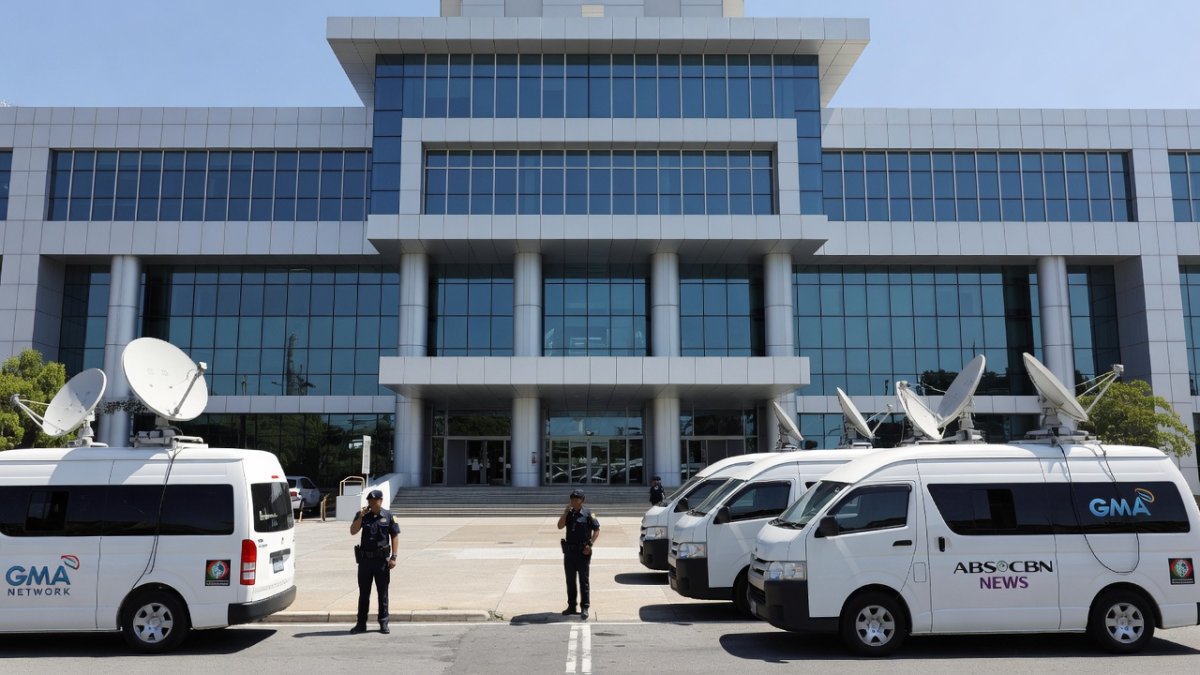
Article IV Grave Threats Charge Under Scrutiny
Article IV accuses Vice President Sara Duterte of grave threats and inciting sedition based on statements she allegedly made in October and November 2024. NBI Regional Director Jeremy Lotoc's testimony on July 13 and 14 provided initial details on these claims, and the full presentation of Article IV is projected to span 11 days starting from the trial's opening on July 6. The Senate impeachment court continues to examine the evidence in measured steps, allowing both sides to present their positions without rushing the timeline. This charge stands apart from other complaints involving alleged misuse of confidential funds and the "Romanov" claim, yet it remains central to the overall case. Vice President Duterte holds the distinction of being the first Philippine official impeached twice by the House of Representatives, adding layers of historical weight to the current Senate proceedings.
Implications for Philippine Democracy
This impeachment trial tests the strength of institutional checks within the Philippine system, involving the Senate, the House of Representatives, and oversight bodies such as the Commission on Elections and the Sandiganbayan in related contexts. As the first trial of its kind for a sitting vice president, the process underscores how Congress and the Senate navigate unprecedented political situations. The careful handling of witness schedules and subpoena requests demonstrates an effort to maintain procedural integrity amid intense public attention. Connections to broader governance issues, including the role of local government units and barangay structures in national discourse, emerge as Filipinos observe how elected leaders are held accountable. The trial's progression offers a live example of democratic mechanisms at work, where oral arguments and phased testimony help clarify complex allegations without immediate resolution.
The trial underscores tensions in the separation of powers, as the House's impeachment power collides with executive privilege claims and judicial oversight of evidence. A conviction could embolden future Congresses to scrutinize confidential funds across administrations, while an acquittal might reinforce perceptions that political dynasties enjoy insulation from accountability mechanisms.
Internationally, the proceedings are being watched by the United States and European Union, which have previously expressed concern over democratic backsliding in Southeast Asia. Human rights groups such as Amnesty International and Human Rights Watch have highlighted risks of selective prosecution, noting that the Duterte family's influence ahead of the 2028 elections could reshape alliances between the Marcos and Duterte camps.
Human Impact on Ordinary Filipinos
Across the country, families in sari-sari stores, tricycle drivers navigating city streets, and jeepney operators discuss the trial's developments during daily commutes and community gatherings. The proceedings in Pasay City resonate with overseas Filipino workers who follow updates from abroad, wondering how leadership stability affects remittances and local economies. In barangay halls from Manila to Mindanao, residents reference bayanihan spirit when talking about unity during uncertain times, even as they analyze the grave threats charge and financial record requests. The absence of witnesses today may slow the pace, yet it allows more time for public reflection on how these events touch everyday lives. Many see the trial as a reminder that political accountability ultimately influences services, security, and trust in institutions that shape their communities.
Political uncertainty surrounding the trial has already contributed to volatility in the Philippine peso and the Philippine Stock Exchange index, with the currency weakening by nearly 2 percent in the weeks following the House vote. Business groups have reported declining confidence indices, echoing patterns seen during the 2012 Corona proceedings when investor sentiment dipped amid prolonged political theater that distracted from economic reforms.
Public trust in institutions remains fragile, with recent Pulse Asia surveys showing declining approval ratings for both Congress and the Senate. Ordinary citizens, from sari-sari store owners to overseas Filipino workers remitting funds, worry that prolonged hearings will delay legislative action on inflation and job creation, reinforcing cynicism that elite power struggles take precedence over daily governance needs.
Social media platforms have amplified regional divides, with pro-Duterte narratives dominating Facebook groups in Mindanao while critical commentary prevails in Metro Manila feeds. Disinformation campaigns alleging a Manila-centric vendetta against Mindanao leaders have gained traction in the Visayas, potentially deepening geographic polarization ahead of the 2025 midterm elections and affecting how communities interpret the trial's fairness.
By Bella Reyes, Staff WriterThis article was produced with AI-assisted research and editorial support. Reporting is based on sources cited in the article.
What's Your Reaction?
 Like
0
Like
0
 Dislike
0
Dislike
0
 Love
0
Love
0
 Funny
0
Funny
0
 Wow
0
Wow
0
 Sad
0
Sad
0
 Angry
0
Angry
0

Philippines/Southeast Asia Correspondent at Global1.News. Manila-based journalist covering Philippine politics, environment, maritime security, and social issues. Passionate about marine conservation and the communities protecting the Philippines' natural heritage.












Comments (0)