
Indonesia Garuda Baru Win Street Child World Cup 2026
The roar from Parque Ecológico Lago de Texcoco still echoes across continents as Indonesia's Garuda Baru claimed their first Street Child World Cup title, proving that structured belief can turn overlooked talent into world champions. South African football communities from Soweto to Khayelitsha now watch this blueprint with renewed fire, recognizing echoes of their own 2010 or
The roar from Parque Ecológico Lago de Texcoco still echoes across continents as Indonesia's Garuda Baru claimed their first Street Child World Cup title, proving that structured belief can turn overlooked talent into world champions. South African football communities from Soweto to Khayelitsha now watch this blueprint with renewed fire, recognizing echoes of their own 2010 origins in every penalty save and every voice raised for dignity. The victory hands local programs a living manual for turning street-connected youth into disciplined athletes who demand education and protection.
Garuda Baru Victory Sparks South African Street Football Renaissance
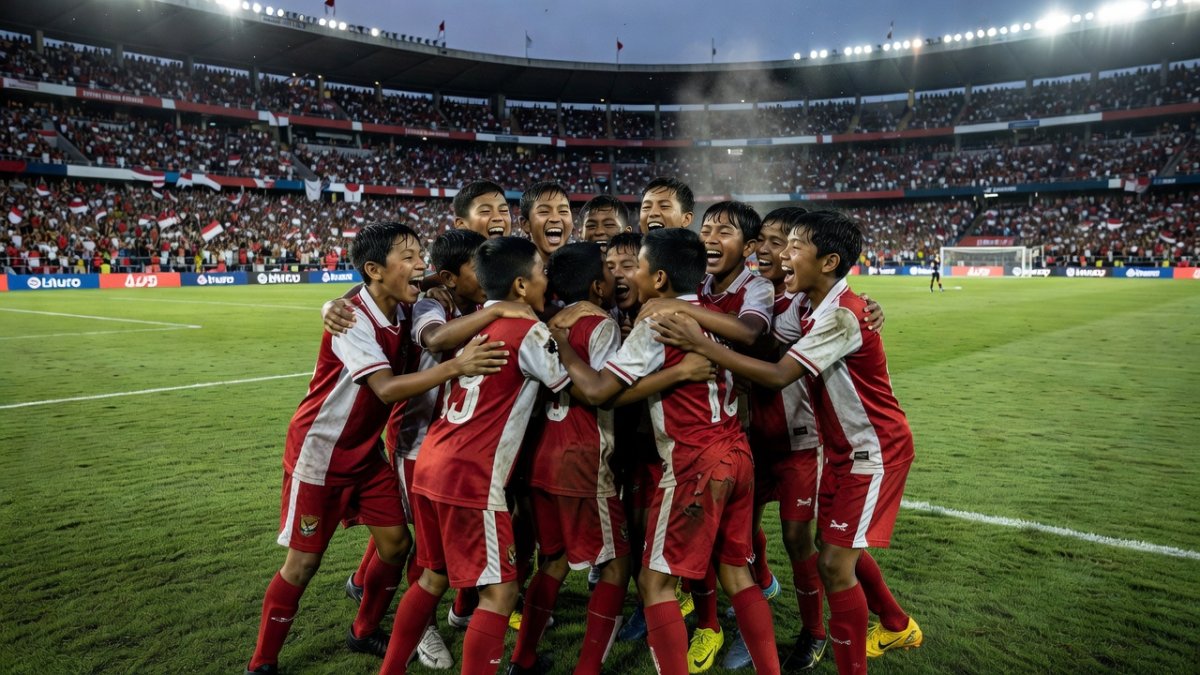
Mexico City, Mexico – May 2026 — Indonesia's Garuda Baru lifted the Boys Shield at the Street Child World Cup 2026 after a 1-1 draw with Argentina that ended 3-2 on penalties at Parque Ecológico Lago de Texcoco in Mexico City. The fifth edition of the tournament, organized by Street Child United, ran from May 5 to May 15 and featured 28 teams from more than 20 countries. This marked the first time Indonesia claimed the title after earlier participations in 2014, 2018 and 2022. The win immediately resonates with South African street child initiatives that trace their roots to the same 2010 FIFA World Cup moment when Street Child United was conceived on home soil.
Penalty Drama Decides the Final in Mexico City
Garuda Baru goalkeeper Samuel Steven Siagian saved Argentina's final penalty to seal the 3-2 shootout win after the match finished 1-1. Raehan Alfarezi opened the scoring for Indonesia in the sixth minute of the first half, while Argentina equalized in the eighth minute of the second half. Each half lasted eight minutes. Indonesia's successful penalty takers were Raehan Alfarezi, Aryo Topan Artha Gading and Deno Mazra Rasyid. The starting eleven included Samuel Steven Siagian in goal, defenders Deno Mazra Rasyid and Aryo Topan Artha Gading, midfielders Danar Saputra, Dino Siswanto and Izul Hamid, plus forward Raehan Alfarezi. Bench players were Rizki Firmansyah, Javasha and Mohamad Azriel Aliansyah.
South African coaches working with SAFA's development structures immediately noted how the short-format intensity mirrored the pressure Bafana Bafana faced during their own 2026 campaign. The composure shown by the Indonesian side offers a direct teaching tool for MultiChoice Diski Challenge academies that prepare young players for high-stakes moments under limited resources.
Year-Long Program Turns Vulnerable Youth into Champions
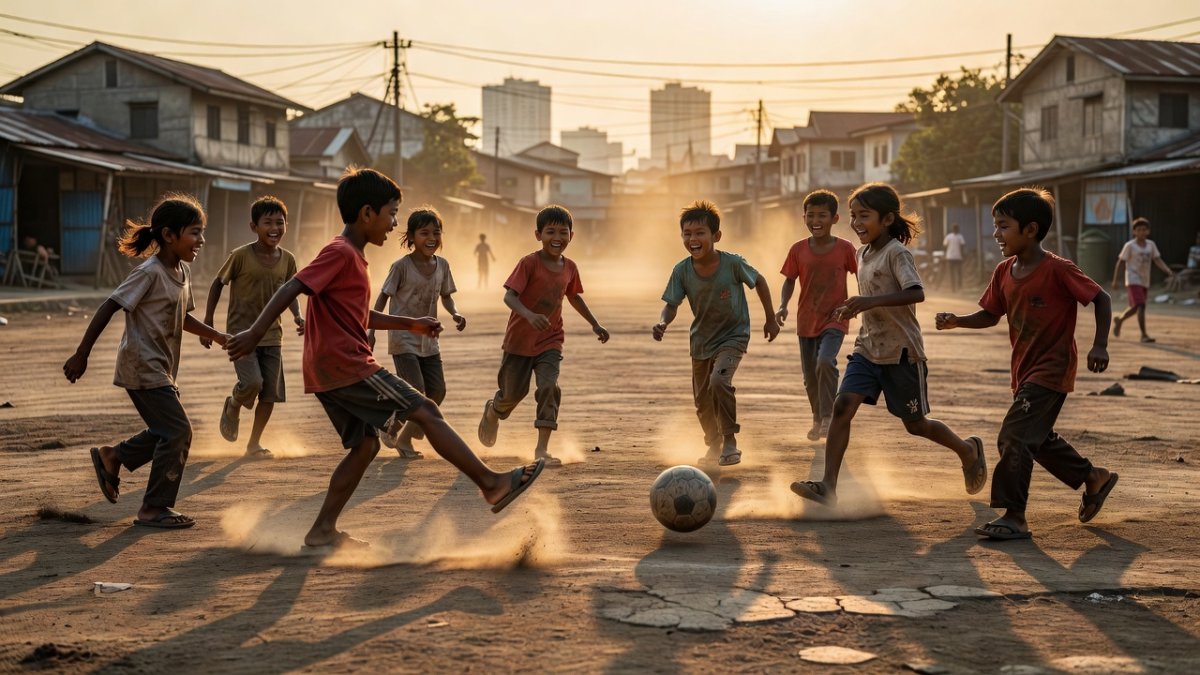
Garuda Baru emerged from a structured development pathway backed by the Indonesian Ministry of Defense and led by ASSI chairman Ahmad Nuril Fahmi. The 10 players were selected from more than 170 participants in the Jakarta region and prepared through sustained training rather than short-term camps. This approach mirrors the grassroots transformation agenda SAFA has pursued since the 2010 FIFA World Cup in South Africa. South African street child programs operating alongside the MultiChoice Diski Challenge now see a proven model of year-long player development that turned 170 vulnerable youth from the Jakarta area into a cohesive squad of 10.
Local administrators in Gauteng have already begun mapping similar selection pipelines that could feed into existing SAFA regional leagues. The Indonesian example demonstrates how consistent contact hours produce both technical growth and the social cohesion needed for advocacy work.
Street Child United CEO Highlights Platform for Young Voices
Street Child United CEO John Wroe stated that the tournament exists to create a global platform where young people's voices are heard on identity, education access, protection from violence and gender equality. The event places participants in the same host nation as the FIFA World Cup to draw sustained media focus. Wroe's words resonate in South Africa, where the original 2010 edition was staged alongside the FIFA World Cup and where Bafana Bafana competed in the 2026 tournament before a 1-0 Round of 32 loss to Canada. The Indonesian success demonstrates how sustained investment in street-connected players can produce both sporting results and lasting social advocacy.
SAFA officials have cited Wroe's emphasis when lobbying for increased funding from the Department of Sport, Arts and Culture to expand similar platforms locally.
U2 Presence Amplifies Global Message on Youth Rights
U2 members attended the final, with drummer Larry Mullen Jr. performing the coin toss while Bono, The Edge and Adam Clayton watched from the stands. The presence of the band amplified global media attention on the players' demands for identity, education access, protection from violence and gender equality. South African journalists covering the event drew immediate parallels to the 2010 World Cup legacy when international artists first shone a spotlight on street-connected children in Johannesburg and Cape Town. That early visibility helped launch local NGOs that still operate today under SAFA oversight.
The continued celebrity involvement shows how cultural figures can sustain momentum for grassroots causes long after the final whistle.
South African Grassroots Programs Eye Indonesian Blueprint
SAFA's ongoing transformation efforts and the network of NGOs working with street children now have a concrete reference point from Garuda Baru's campaign. The year-long preparation that produced Indonesia's first title offers a template for domestic programs seeking to move beyond one-off tournaments toward structured player pathways. South African fans who followed Bafana Bafana's 2026 campaign understand the pressure of limited preparation time. Garuda Baru's achievement shows that consistent development work can close gaps against better-resourced opponents, a message that directly informs SAFA's current grassroots calendar and partnership discussions with the MultiChoice Diski Challenge.
Legacy of 2010 Continues to Shape Global and Local Agendas
The Street Child World Cup's return to a FIFA World Cup host nation in 2026 revives the original link forged in South Africa in 2010. Garuda Baru's penalty triumph at Parque Ecológico Lago de Texcoco reinforces that the platform delivers both sporting glory and amplified advocacy for the players' core demands. South African supporters who remember the 2010 inspiration now see tangible proof that the model works. The next step for local programs is to adapt Indonesia's year-long development structure within SAFA's existing framework, ensuring that street-connected youth receive the same sustained opportunity that turned Garuda Baru into champions this month in Mexico City.
Programs in Durban and Port Elizabeth have already requested SAFA workshops that translate the Indonesian timeline into local calendars aligned with school terms and league fixtures.
Broader Implications for African Street Football Development
The 2026 result positions Indonesia as a reference nation for African federations that share similar socio-economic challenges. South African street child initiatives can replicate the selection process that narrowed 170 candidates to a focused squad of 10 while maintaining the social mission that Street Child United has carried since its founding in 2010. Local coaches and administrators in Johannesburg and Cape Town already track the Al Jazeera English coverage of the Garuda Baru story. That documentation of football as a route to education and protection provides measurable outcomes that SAFA can cite when seeking additional support for its own street-connected player programs ahead of future international events.
Next Steps for MultiChoice Diski Challenge Integration
MultiChoice Diski Challenge coordinators have begun exploring how the Garuda Baru pathway could inform the next intake cycle for street-connected participants. By embedding year-round mentorship and academic support alongside football drills, the program could produce athletes ready for both national youth teams and advocacy platforms. SAFA technical director staff have signaled openness to pilot projects in three provinces that mirror the Indonesian Ministry of Defense backing model through corporate and government partnerships.
The Indonesian triumph supplies the evidence base these conversations require.
By Dante Williams, Staff WriterThis article was produced with AI-assisted research and editorial support. Reporting is based on sources cited in the article.
What's Your Reaction?
 Like
0
Like
0
 Dislike
0
Dislike
0
 Love
0
Love
0
 Funny
0
Funny
0
 Wow
0
Wow
0
 Sad
0
Sad
0
 Angry
0
Angry
0

Breaking News and Investigations Correspondent at Global1.News. Based in London, covering global breaking news, security, and investigative stories. Known for digging deeper and connecting the dots across continents.











Comments (0)