
India's Rising Nighttime Temperatures: A Health and Climate Crisis
India's nights are no longer offering the relief they once did. Across 35 of 36 states and union territories, average nighttime temperatures have climbed steadily, depriving millions of the recovery period the human body requires after daytime heat. This shift now threatens public health systems already stretched by rising chronic disease burdens in cities from Mumbai to Luckno
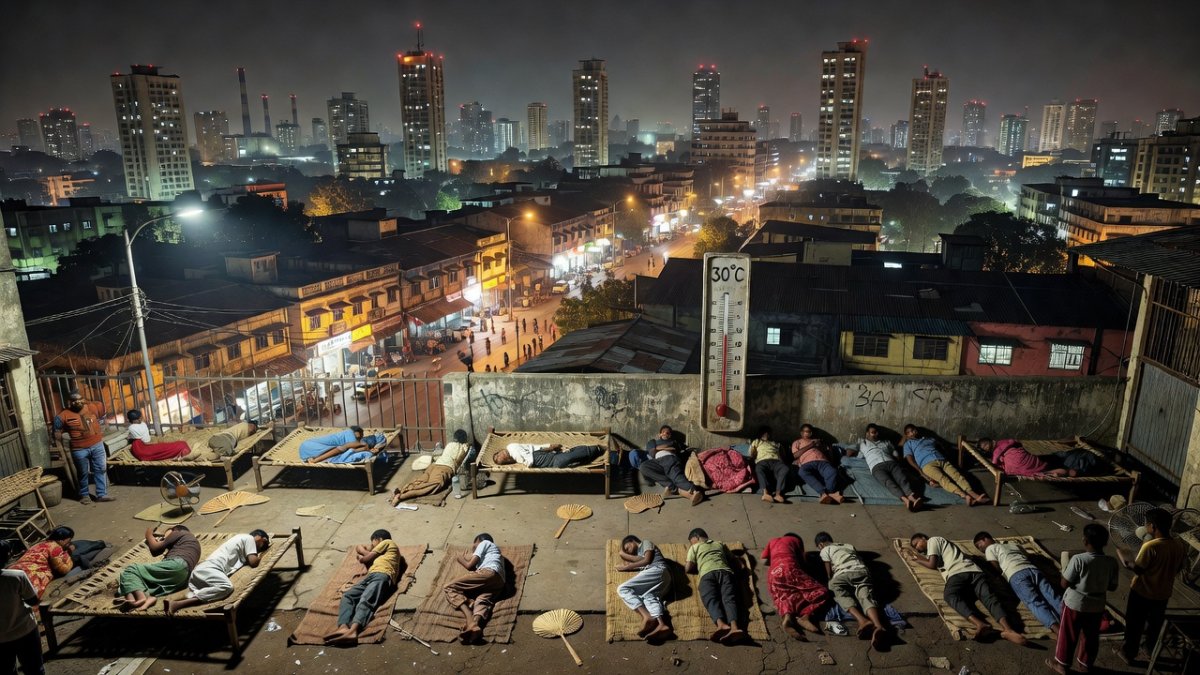
India's nights are no longer offering the relief they once did. Across 35 of 36 states and union territories, average nighttime temperatures have climbed steadily, depriving millions of the recovery period the human body requires after daytime heat. This shift now threatens public health systems already stretched by rising chronic disease burdens in cities from Mumbai to Lucknow.
India's Rising Nighttime Temperatures: A Health and Climate Crisis
New Delhi – June 24, 2026 — The data is unambiguous: India's nighttime temperatures are rising at an accelerating rate, with measurable consequences for public health, urban infrastructure, and healthcare expenditure.
The Data: How Fast Are India's Nights Warming?
Nearly 70 percent of Indian districts recorded an additional five very warm nights per summer over the last decade. The trend appears most sharply in districts with populations exceeding 10 lakh, which house the majority of Tier-I and Tier-II cities. Average nighttime temperatures have risen at 0.21 degrees Celsius per decade, a rate documented across multiple monitoring stations.
Thirty-five states and union territories show measurable increases. Mumbai alone added 15 very warm nights per summer between 2012 and 2022. Lucknow has seen a six to nine percent rise in warm nights over the same period. These figures come from consistent India Meteorological Department records and independent analyses covering 2012–2026.
The geographic spread affects both coastal and inland regions. Districts in Maharashtra, Uttar Pradesh, Tamil Nadu, and Karnataka report the steepest gains. This pattern places additional pressure on state health departments that must now plan for extended heat exposure in both urban and peri-urban areas.
Why Warm Nights Are a Health Emergency
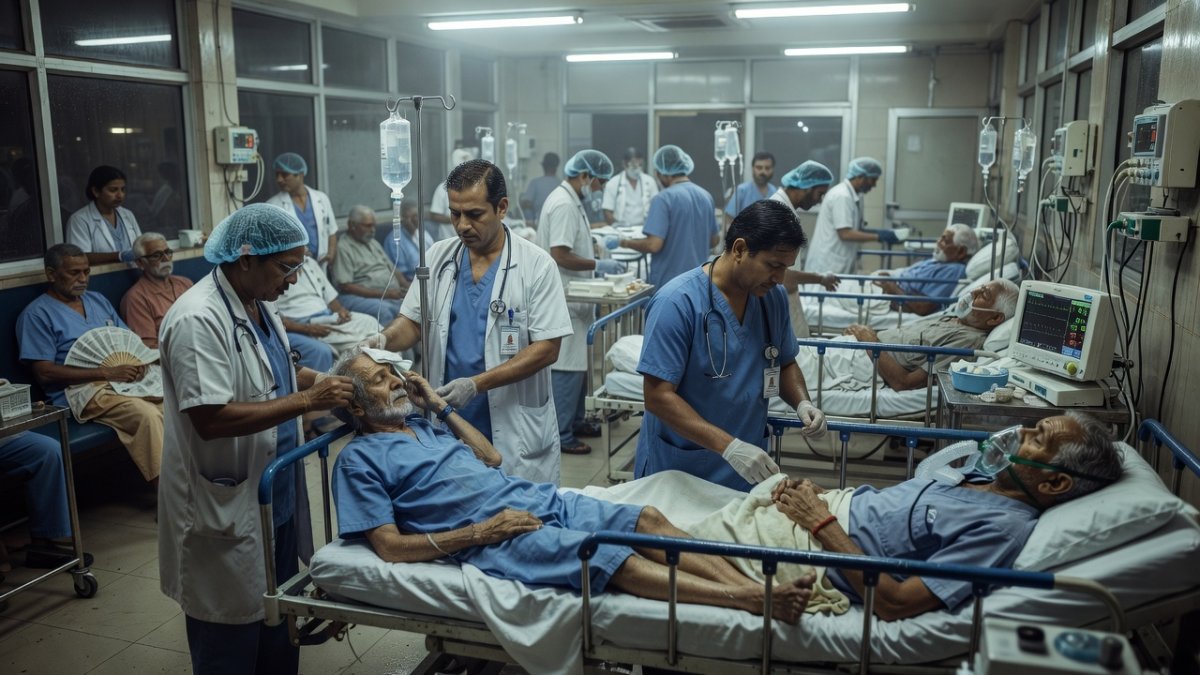
High nighttime temperatures prevent the body from cooling and recovering after daytime heat. Without this recovery window, cardiovascular strain, respiratory distress, and acute kidney injury rise sharply. Patients with existing diabetes, hypertension, and mental health conditions face compounded risks that Indian hospitals already manage at scale under the National Health Mission.
Heat extremes worsen outcomes for chronic conditions across the country. Cardiovascular events, respiratory exacerbations, and diabetes-related complications increase when nighttime temperatures remain elevated. The World Health Organization has linked these patterns to higher hospital admissions in tropical climates similar to India's.
Three-quarters of India's population now faces elevated heat risk. Human-induced climate change produced 228 million people experiencing 30 or more risky heat days in a single three-month period. This burden falls heaviest on low-income households in states such as Bihar, Rajasthan, and West Bengal, where access to cooling remains limited.
The Urban Heat Island Effect: Cities Feel It Most
Districts containing large cities show the fastest rise in very warm nights. Mumbai's 15 additional warm nights per summer illustrate how concrete-heavy urban landscapes retain heat after sunset. Similar patterns appear in Bengaluru, Hyderabad, and Chennai, where rapid construction has reduced green cover and increased nighttime heat retention.
Lucknow's six to nine percent increase in warm nights reflects conditions in many northern Tier-II cities. These urban centres concentrate both population and economic activity, yet their municipal bodies often lack updated heat action plans that account for nighttime exposure. The result is greater strain on emergency services and primary health centres during summer months.
India's urbanisation trajectory amplifies the problem. With more citizens moving to cities for education and employment, the number of people exposed to elevated nighttime temperatures continues to grow. State governments in Maharashtra and Uttar Pradesh have begun linking urban planning approvals to heat mitigation measures, though implementation remains uneven.
IMD's Response: Forecasting 'Very Warm Nights'
The India Meteorological Department began issuing forecasts for warm or very warm nights in 2021 as part of its heat health alerts. These forecasts now supplement traditional maximum-temperature warnings and allow district administrations to activate night-time cooling shelters and adjust hospital staffing. The change reflects recognition that minimum temperatures carry independent health risks.
Thirty-five states and union territories receive these updated alerts. The system helps local bodies in high-risk districts prepare for consecutive nights above critical thresholds. Early data from cities such as Mumbai and Lucknow show improved coordination between meteorological offices and state health departments since the alerts began.
Integration with existing disaster management frameworks remains a work in progress. Several states have incorporated nighttime temperature forecasts into their annual heat action plans, yet funding for round-the-clock response mechanisms varies widely. Continued expansion of IMD's district-level monitoring network will determine how effectively these warnings reach vulnerable populations.
What This Means for India's Public Health Infrastructure
India's healthcare system must now treat nighttime heat as a chronic rather than episodic stressor. Hospitals in major cities face rising admissions for heat-aggravated cardiovascular and respiratory cases during summer. The additional load intersects with existing challenges under Ayushman Bharat, where bed occupancy and specialist availability already vary by state.
Taxpayers ultimately bear the cost of expanded emergency response and long-term treatment for heat-related complications. States with large urban populations, including Maharashtra and Tamil Nadu, report higher per-capita expenditure on heat-related health interventions. Preventive measures such as urban greening and improved building codes offer lower long-term costs but require coordinated policy across municipal and state levels.
Medical education and public health training programmes have started incorporating heat-health modules. Medical colleges in Delhi and Kolkata now include nighttime heat exposure in curricula on environmental health. This shift prepares future physicians for the changing disease profile their patients will present in coming decades.
The Bottom Line
Rising nighttime temperatures represent a measurable shift in India's climate that directly affects health outcomes and public expenditure. With 76 percent of the population at risk and clear upward trends documented across 35 states and union territories, the data demand sustained policy attention. Cities such as Mumbai and Lucknow already demonstrate the scale of change; the rest of the country faces similar conditions within the current decade. Effective response requires integration of nighttime heat forecasts into routine healthcare planning and urban governance across all affected districts.
— By Dr. Raj Patel, Staff Writer
This article was produced with AI-assisted research and editorial support. Reporting is based on sources cited in the article.
What's Your Reaction?
 Like
0
Like
0
 Dislike
0
Dislike
0
 Love
0
Love
0
 Funny
0
Funny
0
 Wow
0
Wow
0
 Sad
0
Sad
0
 Angry
0
Angry
0

India/South Asia Correspondent at Global1.News. Analytical voice with a background in science and health journalism. Based in New Delhi, covering Indian politics, education, healthcare, technology, and policy. Breaks down complex data into clear, actionable reporting.











Comments (0)