
Hispanic Cultural Heritage Institute Moves Closer to Permanent Home for Caribbean Communities
In the heart of our Caribbean community, news like this brings a special kind of warmth, reminding us how our shared stories bind us together across islands and seas. The Hispanic Cultural Heritage Institute is moving forward with plans that could one day give a lasting home to the rich tapestry of Hispanic history, education and everyday community life, as highlighted in a rec
In the heart of our Caribbean community, news like this brings a special kind of warmth, reminding us how our shared stories bind us together across islands and seas. The Hispanic Cultural Heritage Institute is moving forward with plans that could one day give a lasting home to the rich tapestry of Hispanic history, education and everyday community life, as highlighted in a recent One Caribbean Television feature. It feels like another step in celebrating the voices that have shaped so much of who we are here in Trinidad and Tobago and beyond.
As families gather for evening talks or weekend lime, conversations often turn to preserving what makes our region unique, and this project slots right into that spirit of togetherness.
Hispanic Cultural Heritage Institute Moves Closer to Permanent Home for Caribbean Communities
Trinidad and Tobago — Earlier this month —
Project Details and Progress
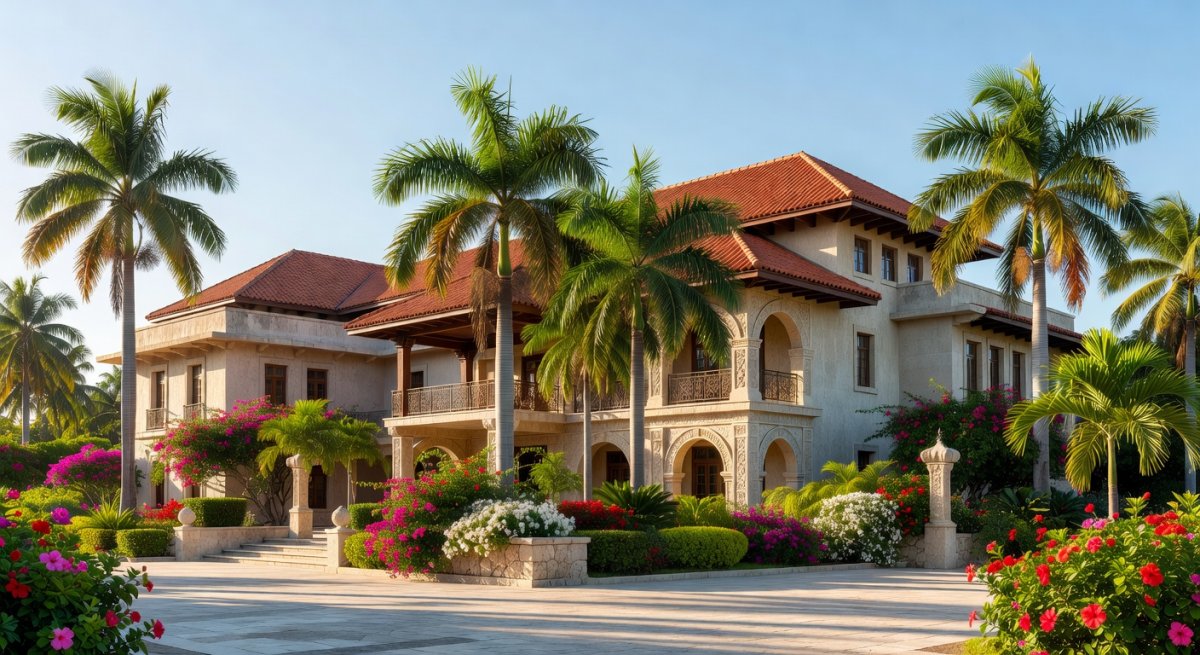
The Hispanic Cultural Heritage Institute continues to advance through careful planning stages aimed at securing a permanent facility dedicated to Hispanic history, education and community activities. Reports indicate that discussions around suitable locations are ongoing, with attention focused on sites that could serve as accessible centres for residents across the Caribbean. It is hoped that once finalised, the building will feature dedicated spaces for archives, exhibition halls and meeting areas where people can come together to explore their roots.
Timeline considerations remain measured, as project leads emphasise the need for thorough consultations with local stakeholders before any construction begins. Cautious progress reports suggest that initial groundwork, including feasibility studies, has been completed in recent months, paving the way for more detailed development phases. The facility is envisioned to include modern amenities while respecting traditional architectural elements that reflect the cultural blend found throughout the region.
Community members in Trinidad and Tobago have expressed quiet optimism about how such a centre might integrate with existing cultural landmarks, creating a network of heritage sites. Planners are reportedly examining ways to incorporate sustainable design principles, ensuring the institute stands as a model for future projects. This measured approach helps avoid rushed decisions that could overlook important local input.
Overall, the initiative builds on earlier concepts shared through One Caribbean Television, highlighting steady movement toward a space that honours both past and present contributions from Hispanic Caribbean communities.
Historical Significance for Hispanic Caribbean
The Spanish-speaking islands of Puerto Rico, the Dominican Republic and Cuba hold deep historical layers that connect directly to the wider Caribbean narrative, and the proposed institute seeks to safeguard these threads. From early colonial encounters to independence movements, these nations have contributed vibrant traditions in music, literature and daily customs that echo across our shared waters. Preserving this heritage helps younger generations understand the complex journeys that brought diverse influences to our shores.
In Trinidad and Tobago, where African, Indian, European and indigenous elements already mingle, recognising the Hispanic dimension adds another rich colour to the national mosaic. Historical ties through trade routes and migration patterns mean that stories from these islands have long influenced local festivals and family histories. The institute could serve as a bridge, allowing visitors to trace these connections without leaving the region.
Efforts to document and display artefacts from Puerto Rico, the Dominican Republic and Cuba underscore the importance of collective memory in a region often shaped by external narratives. By focusing on primary sources and oral histories, the project aims to present balanced accounts that honour resilience and creativity. This approach aligns with broader Caribbean goals of reclaiming and celebrating indigenous and migrant experiences alike.
Ultimately, such preservation work strengthens regional identity, reminding us that the Hispanic Caribbean forms an integral part of the larger story of unity and diversity in the islands.
Educational Programmes and Impact
Planned educational offerings at the Hispanic Cultural Heritage Institute include structured programmes designed to engage students from primary levels through to adult learners. Curriculum developers are reportedly working on modules that cover language, history and artistic expressions from the Hispanic Caribbean, with an emphasis on interactive learning methods. Partnerships with schools in Trinidad and Tobago and neighbouring islands could allow for exchange visits and joint projects that bring these lessons to life.
Workshops on traditional crafts, storytelling sessions and research skills form part of the envisioned timetable, fostering hands-on involvement that appeals to youth across communities. It is anticipated that these activities will encourage critical thinking about cultural identity while building practical abilities useful in academic and professional settings. Early discussions suggest collaborations with universities to ensure content meets recognised standards.
Youth engagement stands at the core of these plans, with special focus on creating safe spaces where young people can explore their heritage without pressure. Mentorship opportunities linking elders with students might help pass down knowledge in a natural, community-centred way. Such initiatives could extend beyond the institute walls through outreach sessions in rural areas and urban centres alike.
The potential impact reaches into long-term attitude shifts, as participants gain appreciation for the interconnected histories that define the Caribbean. By prioritising inclusive design, the programmes aim to welcome diverse learners and promote lifelong curiosity about regional roots.
Community Engagement and Cultural Preservation
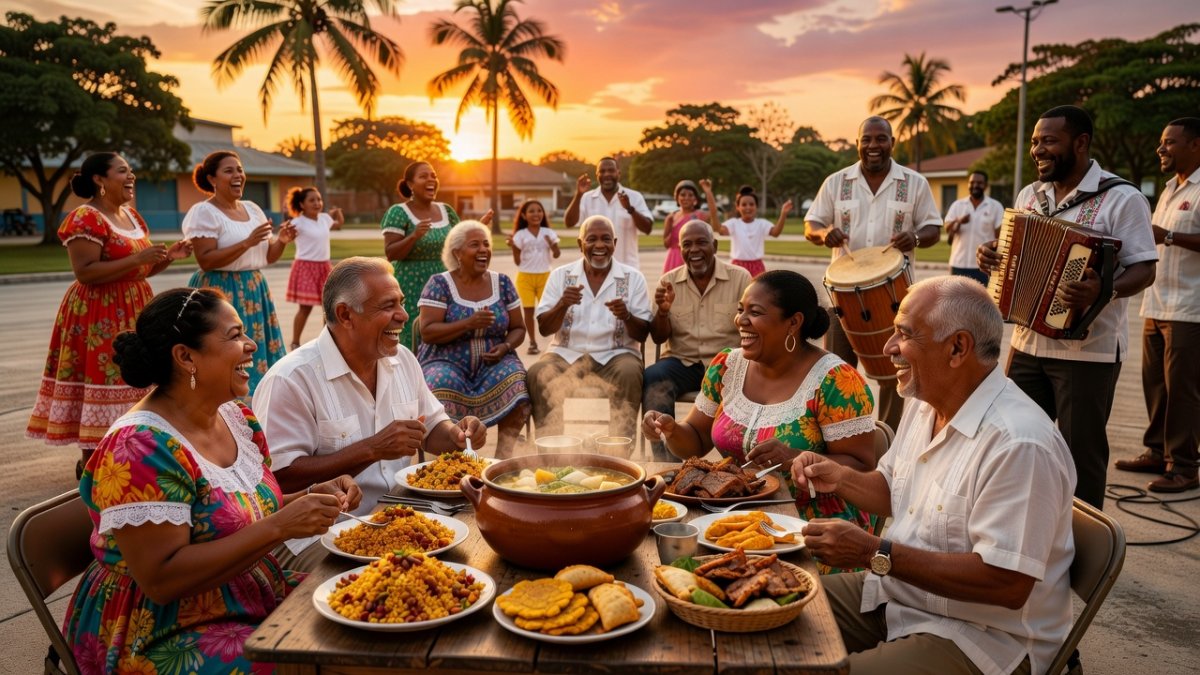
Community involvement remains central to the Hispanic Cultural Heritage Institute, with organisers encouraging residents to contribute personal stories and family artefacts that illustrate everyday Hispanic Caribbean life. Storytelling circles could become regular features, allowing grandparents to share memories that might otherwise fade, thereby strengthening intergenerational bonds in Trinidad and Tobago and across the islands.
Traditional arts such as music, dance and visual crafts from Puerto Rico, the Dominican Republic and Cuba are expected to feature prominently in planned events. Festivals celebrating these expressions might draw crowds from surrounding neighbourhoods, turning the institute into a lively hub rather than a static museum. This approach keeps culture alive through active participation instead of mere observation.
Preservation efforts also target intangible elements like recipes, proverbs and seasonal customs that define community identity. Volunteers from local groups have already begun informal collections, demonstrating the grassroots enthusiasm that underpins the project. Such activities help ensure that the institute reflects authentic voices rather than top-down interpretations.
By weaving these elements together, the initiative supports a living heritage that evolves with each generation while honouring its foundations, fostering pride and continuity in our Caribbean family.
Official Support and Regional Partnerships
Government bodies in Trinidad and Tobago have shown interest in cultural initiatives like the Hispanic Cultural Heritage Institute, recognising their value in promoting national cohesion and regional ties. Discussions reportedly involve coordination with CARICOM structures to align the project with broader goals of cultural cooperation among member states. This level of official backing provides a stable foundation for sustained development.
International cultural agencies focused on heritage conservation have been mentioned in connection with potential technical assistance, though details remain subject to further agreements. Trinidad and Tobago's central location in the Caribbean positions it well to host such a facility, facilitating easier access for participants from multiple islands. Regional partnerships could include shared programming with institutions in Puerto Rico, the Dominican Republic and Cuba.
Support from these quarters often emphasises capacity building, ensuring local teams gain skills to manage the institute independently over time. Cautious statements from involved parties highlight the importance of inclusive decision-making that incorporates feedback from civil society organisations. This collaborative model mirrors successful cultural projects elsewhere in the region.
Through these alliances, the institute stands to benefit from combined resources and expertise, enhancing its ability to serve as a lasting resource for the entire Caribbean community.
Diaspora Connections Across the Caribbean
Diaspora communities originating from Hispanic Caribbean nations maintain strong family networks that stretch from Trinidad and Tobago to the United States, Canada and the United Kingdom, and the institute could act as a focal point for reconnection. Relatives who have settled abroad often return during holidays or special occasions, bringing with them updated perspectives that enrich local traditions.
Cultural exchange programmes envisioned by the project might facilitate visits and virtual links, allowing diaspora members to contribute to exhibitions or workshops from afar. In Trinidad, where many families trace mixed ancestries, these connections highlight the fluid movement of people that has always characterised Caribbean life. Such ties help sustain language use and customary practices across borders.
Stories shared by those living overseas frequently reveal how Hispanic heritage adapts in new environments while retaining core values, offering valuable insights for the institute's collections. Community events could celebrate these journeys, turning personal histories into collective learning opportunities. This outward-looking approach strengthens bonds between island residents and their extended families worldwide.
Overall, embracing diaspora links ensures the institute reflects the full scope of Hispanic Caribbean experiences, wherever they unfold.
Economic and Tourism Potential
The establishment of a permanent home for the Hispanic Cultural Heritage Institute carries promising implications for tourism in Trinidad and Tobago, attracting visitors keen to explore the layered histories of the Spanish-speaking Caribbean. Specialised tours combining the institute with nearby heritage sites could appeal to cultural enthusiasts from Europe, North America and other Caribbean islands, extending stays and boosting local spending.
Economic opportunities may arise through job creation in areas such as curation, education facilitation and hospitality services linked to the facility. Small businesses around the location might see increased custom from event attendees and researchers, contributing to wider community prosperity. Careful planning aims to distribute these benefits equitably, supporting artisans and guides from surrounding areas.
By positioning Trinidad and Tobago as a centre for Hispanic Caribbean studies, the project could draw international funding and collaborative ventures that further stimulate growth. Tourism packages highlighting festivals and workshops would showcase the living aspects of the culture, differentiating the destination from purely beach-focused offerings. This diversified appeal aligns with regional strategies for sustainable development.
Longer term, the institute might inspire similar ventures elsewhere, multiplying economic returns while preserving the unique character that draws people to our shores in the first place.
Looking Ahead
As the Hispanic Cultural Heritage Institute moves closer to realising its vision, community hopes centre on creating an enduring space that welcomes all who wish to learn and connect. Next steps likely involve continued dialogue with stakeholders to refine designs and secure necessary resources, always with an eye toward inclusivity and practicality.
Broader significance lies in how this development reinforces Caribbean solidarity, demonstrating that shared heritage can overcome geographical distances. Young people especially stand to gain from environments that validate their backgrounds and encourage creative expression rooted in tradition. The project serves as a reminder of the resilience embedded in our collective past.
Challenges such as funding timelines and logistical coordination will require patient navigation, yet the underlying enthusiasm suggests steady forward momentum. Regional observers note that similar initiatives have thrived when grounded in genuine community ownership, a principle evident here.
In the months ahead, updates from One Caribbean Television and local partners will keep residents informed, allowing everyone to play a part in shaping this cultural milestone.
Through it all, the institute embodies the Caribbean spirit of unity in diversity, offering a place where history, education and community life can flourish together for generations to come, strengthening the bonds that make our islands feel like one extended family.
By Sharon Sahatoo, Staff WriterThis article was produced with AI-assisted research and editorial support. Reporting is based on sources cited in the article.
What's Your Reaction?
 Like
0
Like
0
 Dislike
0
Dislike
0
 Love
0
Love
0
 Funny
0
Funny
0
 Wow
0
Wow
0
 Sad
0
Sad
0
 Angry
0
Angry
0

Caribbean Correspondent at Global1.News. Based in Port of Spain, Trinidad, covering Caribbean politics, economy, energy, climate, and culture. Amplifying the voices and stories of the Caribbean region.














Comments (0)