
Gulf of Paria widens: Trinidad faces Venezuelan compensation demand over May oil spill
Gulf of Paria widens: Trinidad faces Venezuelan compensation demand over May oil spill The Gulf of Paria has always been the kind of water that connects more than it divides. Families in Cedros and Icacos have fished these currents for generations, and the oil platforms that dot the horizon are as familiar as the seabirds overhead. But on May 1, that familiar relationship betwe
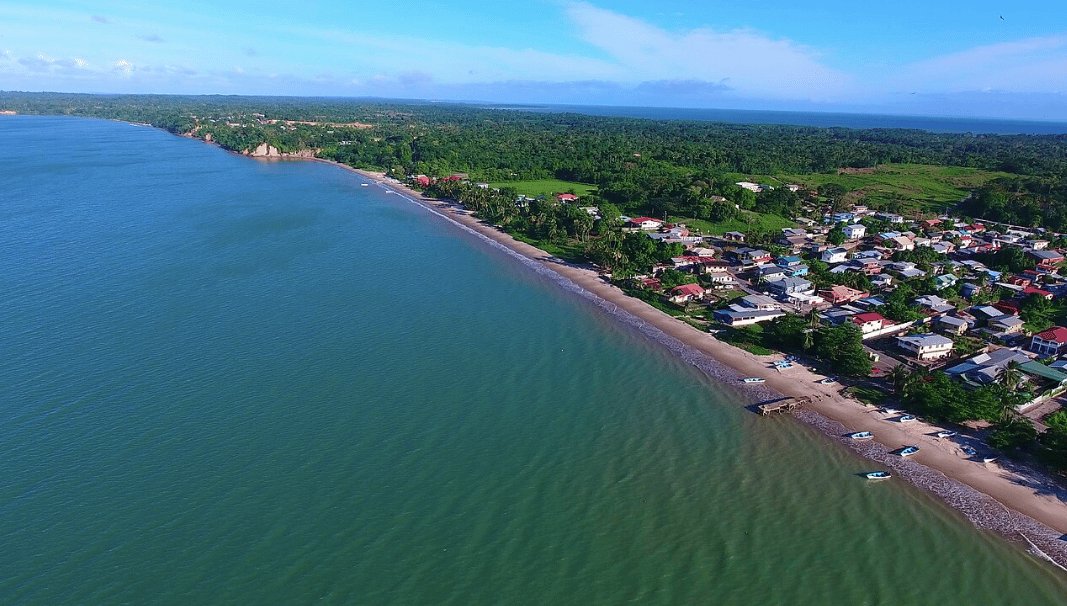
The Gulf of Paria has always been the kind of water that connects more than it divides. Families in Cedros and Icacos have fished these currents for generations, and the oil platforms that dot the horizon are as familiar as the seabirds overhead. But on May 1, that familiar relationship between land and sea hit a rough patch when a spill at Riser Platform No. 2 in the Main Soldado Field sent a ripple through diplomatic relations between Trinidad and Tobago and Venezuela — one that has now grown into formal demands for compensation and information from Caracas.
Venezuela's Formal Demands
Venezuela moved quickly through its foreign ministry to lay out clear concerns after the spill reached its attention. Officials pointed directly to risks facing mangroves, wetlands, marine fauna and strategic hydrobiological resources for food security. They framed these elements as essential to the daily survival of communities along their coastline. The language left little room for doubt about how seriously Caracas viewed the incident.
The demand for reparation measures for the damage caused came through official channels without delay. Venezuelan authorities insisted that Trinidad and Tobago must address the full scope of harm to shared marine spaces. This call for accountability highlighted the cross-border nature of the Gulf waters. Neighbouring states often share these resources, and Venezuela made plain that responsibility must follow the flow of any spill.
Caracas tied its statements to the protection of food security for its coastal populations. The foreign ministry stressed that any threat to hydrobiological resources could disrupt long-standing fishing practices. Such resources support families who rely on the Gulf for their livelihood. Venezuela positioned its request as a necessary step to safeguard those traditions.
By involving the foreign ministry at the highest level, Venezuela signalled that the matter had moved beyond routine environmental reporting. The emphasis remained on concrete reparation rather than vague assurances. This approach reflected the importance placed on the affected ecosystems. Officials expected Trinidad and Tobago to respond with matching seriousness to the outlined concerns.
Port of Spain's Response
Dr Roodal Moonilal described the incident as a minor event dealt with in 48 hours. He placed the spill volume at a 10-barrel estimate and noted that dispersant was deployed 6-8 nautical miles from the border. Government statements stressed that operations stayed well within Trinidad and Tobago waters. The quick containment formed the core of the official account.
The Ministry of Energy and Energy Industries issued updates confirming daily inspections of the affected area. These checks continued as part of standard procedure following any release. Officials highlighted ongoing cooperation with technical teams to monitor conditions. The ministry presented the response as thorough and contained from the outset.
Port of Spain maintained that the use of dispersant occurred at a safe distance from Venezuelan territory. This detail served to reassure both local and regional partners about the limited reach of the spill. Daily monitoring reports reinforced the message that no further action was required beyond the initial 48 hours. The emphasis stayed on rapid resolution and transparent reporting.
Trinidad and Tobago authorities framed their handling as consistent with established offshore protocols. The 10-barrel figure and dispersant deployment distance were repeated in official releases to provide clarity. Ministry statements avoided any suggestion of ongoing issues. The focus remained on the swift return to normal operations in the Gulf.
Heritage Petroleum and the Main Soldado Field
Heritage Petroleum Company Limited took direct charge of the response at Riser Platform No. 2. The company coordinated the application of approved chemical dispersants under Ministry of Energy and Energy Industries oversight. Operations centred on containing the release within the Main Soldado Field boundaries. Heritage teams worked to limit any spread across the shared waters.
Trajectory modelling conducted during the incident showed that untreated hydrocarbon could cross the border if left unaddressed. This modelling guided the decision to deploy dispersant at the recorded distance. Heritage Petroleum followed the approved protocols to reduce that risk. The modelling results informed every step of the containment effort.
The Main Soldado Field has long been a key production site for Trinidad and Tobago. Riser Platform No. 2 forms part of the established infrastructure there. Heritage Petroleum maintains routine oversight of these facilities as part of its operational mandate. The May response aligned with those existing responsibilities.
Ministry approval for the chemical dispersants came after standard assessment procedures. Heritage Petroleum executed the deployment in line with those clearances. The combination of modelling data and approved materials shaped the containment strategy. All actions remained focused on the immediate area around the platform.
Political Fallout — UNC vs PNM
Dr Roodal Moonilal attributed the spill to dilapidated infrastructure and ageing pipeline installations resulting from years of PNM neglect. He argued that proper maintenance under previous administrations could have prevented the release. This view placed responsibility on long-term policy decisions. UNC voices called for renewed focus on upgrading offshore assets.
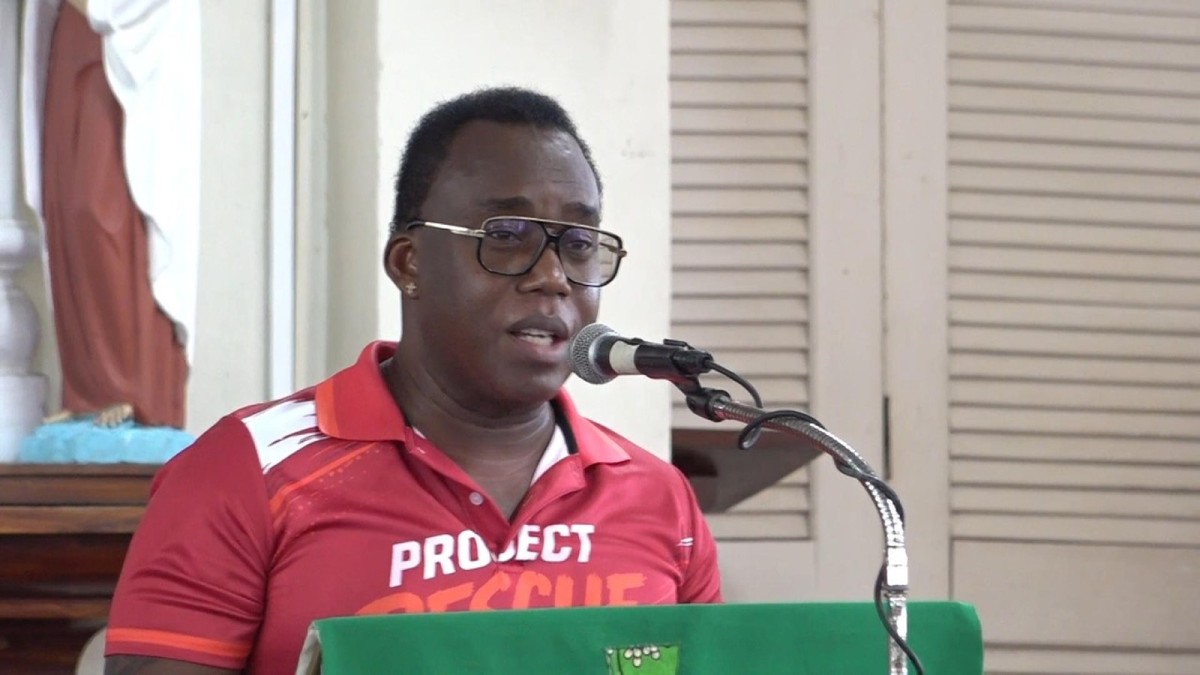
Stuart Young countered by demanding a full probe into the handling of the incident. He stated that officials sought to cover up and hide a major offshore oil spill. Young insisted on an investigation into who suppressed this information from reaching the public. The PNM position centred on transparency and accountability for any delays in disclosure.
Both parties agreed that the Gulf requires careful management, yet they differed sharply on where fault lay. UNC statements highlighted infrastructure decay tied to past governance. PNM responses stressed the need to examine how information was managed after the event. Each side presented its case through public statements and calls for further review.
The exchange reflected ongoing debates about energy sector oversight in Trinidad and Tobago. Moonilal’s remarks focused on historical maintenance shortfalls. Young’s remarks targeted the immediate response and communication process. Together the positions underscored the political weight attached to offshore incidents.
What This Means for Fishermen
Coastal communities in Cedros and Icacos have long depended on the Gulf for their daily catch. Families there pass fishing knowledge from one generation to the next. The spill raised direct worries about the health of the waters they work. Any disruption to marine life affects the income that sustains these households.
Concerns centred on the condition of mangroves and wetlands that serve as nurseries for fish stocks. Fishermen noted that damage to these areas could reduce future yields. The presence of marine fauna in the spill zone added to their unease. Livelihoods tied to the Gulf face ongoing pressure when such events occur.
Local fishers described the Gulf as more than a workplace. It forms part of their community identity and food supply. The incident prompted discussions about how quickly normal fishing patterns could resume. Families weighed the short-term halt against longer-term effects on stocks.
Trinidadian fishing communities often share stories across the water with counterparts in Venezuela. The shared resource means that any spill touches multiple groups. Fishermen in Cedros and Icacos stressed the need for clear updates on water quality. Their daily routines depend on confidence in the Gulf’s condition.
The Environmental Stakes for the Gulf
The ecosystems of the Gulf face pressure from both the spill itself and the dispersant used in response. Mangroves and wetlands provide critical habitat that supports wider marine life. Any compromise to these areas carries consequences for the entire food chain. Small island developing states like Trinidad and Tobago feel these impacts acutely.
Trajectory modelling already indicated how untreated hydrocarbon could move across borders. This same modelling underscored the vulnerability of shared ecosystems to even limited releases. SIDS face added challenges because their marine resources support both economy and culture. Resilience planning must account for such cross-boundary risks.
Climate resilience in the region depends on healthy coastal systems. The Gulf’s wetlands act as natural buffers against storms and support biodiversity. When incidents occur, these protective functions can weaken. Officials and communities alike recognise the need to safeguard these natural defences.
The combination of spill effects and dispersant application requires careful monitoring of long-term ecosystem recovery. SIDS often lack extensive resources for large-scale restoration. The Gulf’s role as a shared marine space makes coordinated attention essential. Environmental stakes remain high for all who rely on its balance.
Regional Cooperation and the Way Forward
The Ministry of Energy and Energy Industries expressed commitment to a structured framework with Venezuela for managing future incidents. This approach aims to improve information sharing across the Gulf. CARICOM partners have long encouraged such dialogue among member states. Shared waters demand joint protocols that respect each nation’s interests.
Lessons from Caribbean SIDS show that cooperation reduces the impact of offshore events. Trinidad and Tobago and Venezuela share the same body of water, making regular contact practical. A structured framework could include joint monitoring and rapid notification procedures. Both countries stand to benefit from clearer channels.
Regional management of the Gulf requires attention to the needs of fishing communities on both sides. CARICOM experience highlights the value of inclusive planning that involves local voices. The May incident served as a reminder that isolated responses fall short in shared spaces. Forward planning now focuses on prevention and coordinated action.
Trinidad and Tobago officials have indicated that ongoing talks with Venezuela will shape future responses. These discussions fit within broader Caribbean efforts to strengthen SIDS resilience. Effective management of the Gulf supports both environmental health and economic stability. The path ahead centres on practical cooperation built on mutual interest.
By Sharon Sahatoo, Staff WriterThis article was produced with AI-assisted research and editorial support. Reporting is based on sources cited in the article.
What's Your Reaction?
 Like
0
Like
0
 Dislike
0
Dislike
0
 Love
0
Love
0
 Funny
0
Funny
0
 Wow
0
Wow
0
 Sad
0
Sad
0
 Angry
0
Angry
0

Caribbean Correspondent at Global1.News. Based in Port of Spain, Trinidad, covering Caribbean politics, economy, energy, climate, and culture. Amplifying the voices and stories of the Caribbean region.









Comments (0)