
Gulf of Paria Tensions Test Trinidad and Venezuela Ties
Gulf of Paria Tensions Test Trinidad and Venezuela Ties What happened on May 1 — the spill and the immediate response In the early hours of May 1, reports surfaced of a small oil release in waters near Trinidad and Tobago. Our coast guard and environmental teams moved quickly to assess the situation, confirming it involved roughly ten barrels that were contained before spreadin
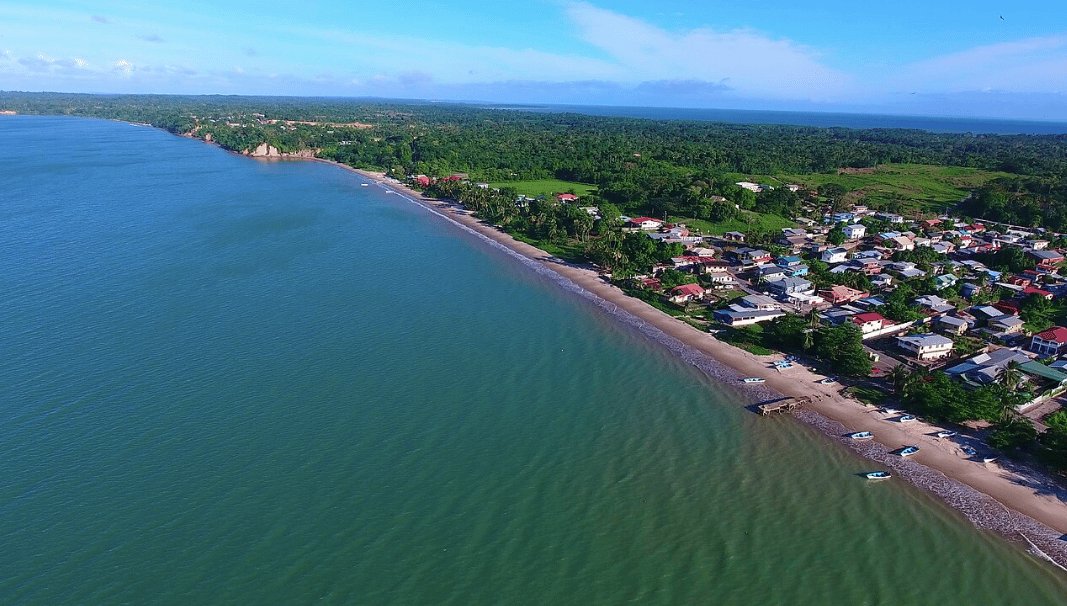
What happened on May 1 — the spill and the immediate response
In the early hours of May 1, reports surfaced of a small oil release in waters near Trinidad and Tobago. Our coast guard and environmental teams moved quickly to assess the situation, confirming it involved roughly ten barrels that were contained before spreading far. Local fishermen in the south-west, many of whom rely on the Gulf of Paria for their daily catch, were the first to notice the sheen and alerted the authorities right away.
Trinidad and Tobago's response focused on protecting our marine resources and the communities that depend on them. The Ministry of Energy coordinated with the Coast Guard to deploy booms and skimmers, ensuring the spill did not reach sensitive mangrove areas. This swift action reflected the practical realities we face in an energy-producing nation where even minor incidents demand immediate attention to safeguard livelihoods.
Community voices from places like Point Fortin and Cedros echoed concerns about long-term effects on fishing grounds. Yet the contained nature of the event allowed operations to wrap up within days, with monitoring continuing to reassure residents that no major threat lingered. Such incidents remind us how closely our daily lives tie to the shared waters of the Gulf.
Venezuela's formal demands — what Caracas is asking for
Caracas has now formally requested detailed information and possible compensation from Port of Spain regarding the May 1 incident. Venezuelan officials argue the spill originated in Trinidadian waters and could harm shared ecosystems in the Gulf of Paria. This diplomatic step highlights ongoing sensitivities between the two neighbours separated only by a narrow stretch of sea.
The demands centre on environmental assessments and assurances that similar events will not recur. For Venezuela, protecting the Gulf represents a vital interest, especially given its own extensive coastline and reliance on marine resources. Their position stems from a desire to safeguard biodiversity that supports communities on both sides of the border.
Trinidadian observers note that such requests arrive amid broader regional discussions on resource management. While the claims remain under review, they underscore the need for clear communication channels between the two countries. Our shared history of migration and family ties across the Gulf makes these exchanges particularly personal for many households in Trinidad.
Trinidad's position — the government's rebuttal and evidence
Port of Spain has strongly disputed the Venezuelan account, describing the May 1 event as a minor spill of ten barrels that was quickly contained within Trinidadian jurisdiction. Government statements emphasise that thorough investigations found no evidence linking the release to any cross-border impact. This stance reflects careful review of operational data from energy facilities operating in the area.
Officials have pointed to monitoring records and response logs as proof that the incident posed limited risk. The rebuttal also highlights Trinidad and Tobago's established protocols for handling such matters, developed over decades in the energy sector. These measures include regular patrols and collaboration with international partners to maintain high standards of environmental care.
Local analysts suggest the government's measured response aims to preserve diplomatic space while protecting national interests. In a small island nation like ours, balancing energy production with environmental responsibility remains a daily priority. Community leaders in the south have welcomed the transparency, noting it helps ease worries among families who fish and work along the coast.
Environmental stakes — Gulf of Paria ecosystems and local communities
The Gulf of Paria serves as a critical habitat for fish, mangroves and migratory birds that sustain both Trinidadian and Venezuelan livelihoods. Any spill, however small, raises valid questions about long-term effects on water quality and marine life. Communities in south Trinidad, from Icacos to La Brea, have long viewed these waters as an extension of their backyards, where fishing and small-scale trade form the backbone of daily existence.
Climate pressures already challenge the region through rising sea levels and changing weather patterns. Protecting the Gulf therefore connects directly to wider efforts addressing impacts on small island developing states. Trinidad and Tobago continues to invest in monitoring programmes that track ecosystem health, recognising that healthy waters support food security for thousands of households.
Local environmental groups have called for continued dialogue to strengthen joint protection measures. These conversations often reference past cooperation on pollution control, showing that shared challenges can foster practical solutions. For families whose income depends on the sea, such collaboration offers reassurance that their way of life will remain viable for generations to come.
Energy politics — Trinidad's energy sector and Venezuelan relations
Trinidad and Tobago's energy sector, anchored by facilities such as Atlantic LNG and the legacy of Petrotrin, plays a central role in the national economy and regional supply. The Gulf of Paria has long been a focal point for exploration and production, creating both opportunities and responsibilities. Relations with Venezuela have historically involved energy discussions, given the proximity of reserves and shared infrastructure interests.
Recent years have seen efforts to maintain steady dialogue despite political differences. The current spill dispute arrives at a time when both nations navigate fluctuating global oil prices and the push toward diversified energy sources. Trinidadian policymakers stress the importance of stable relations to support continued investment and job creation in the sector.
Workers in the energy industry, many from communities around the Gulf, understand that environmental incidents can affect public confidence. The government's emphasis on evidence-based responses seeks to uphold the sector's reputation while addressing neighbourly concerns. This balance remains essential for sustaining the economic benefits that energy brings to households across Trinidad and Tobago.
Regional implications — what CARICOM partners think
Within CARICOM, the Gulf of Paria matter draws attention to the value of coordinated approaches on environmental and energy issues. Neighbouring countries such as Jamaica, Barbados and Guyana follow developments closely, recognising that disputes over shared waters can influence broader regional stability. While specific positions from these partners have not been detailed publicly, the episode highlights opportunities for collective frameworks on marine protection.
CARICOM's history of addressing cross-border challenges, from disaster response to trade, provides useful context. Member states often advocate for dialogue and technical cooperation rather than escalation. For Trinidad and Tobago, maintaining strong ties within the grouping supports wider goals of economic resilience amid rising living costs and post-pandemic recovery in tourism and other sectors.
Regional analysts note that transparent handling of such incidents can strengthen trust among Caribbean nations. Practical steps like joint monitoring initiatives have proven effective in the past. As the situation evolves, CARICOM mechanisms may offer avenues for constructive engagement that benefit all involved parties and their communities.
Looking ahead — what happens next for the Gulf of Paria
Future management of the Gulf of Paria will likely involve continued bilateral talks between Trinidad and Tobago and Venezuela. Both sides have interests in preventing misunderstandings that could affect ecosystems and economies. Trinidadian authorities have signalled openness to sharing relevant data, provided it respects national sovereignty and operational realities.
Longer-term prospects include enhanced regional cooperation on environmental safeguards. Initiatives focused on renewable energy and climate adaptation could complement traditional oil and gas activities, offering new pathways for sustainable development. Communities along the coast remain hopeful that practical solutions will emerge from these discussions.
Ultimately, the episode serves as a reminder of the interconnected nature of Caribbean waters and livelihoods. With careful diplomacy and community input, Trinidad and Tobago aims to navigate these challenges while upholding its commitments to both neighbours and its own people. The coming months will show how these shared waters shape relations moving forward.
By Sharon Sahatoo, Staff WriterThis article was produced with AI-assisted research and editorial support. Reporting is based on sources cited in the article.
What's Your Reaction?
 Like
0
Like
0
 Dislike
0
Dislike
0
 Love
0
Love
0
 Funny
0
Funny
0
 Wow
0
Wow
0
 Sad
0
Sad
0
 Angry
0
Angry
0

Caribbean Correspondent at Global1.News. Based in Port of Spain, Trinidad, covering Caribbean politics, economy, energy, climate, and culture. Amplifying the voices and stories of the Caribbean region.













Comments (0)