
Generative AI Divides Hollywood: Actors, Studios and Global Lessons
The debate over generative AI in film production has intensified in the United States. Actors seek safeguards for their voices and appearances while producers explore tools that can generate synthetic performances. NHK WORLD-JAPAN reporting from Hollywood highlights this divide as studios test new workflows and unions respond with contract demands. The Growing Rift Between Perf
The debate over generative AI in film production has intensified in the United States. Actors seek safeguards for their voices and appearances while producers explore tools that can generate synthetic performances. NHK WORLD-JAPAN reporting from Hollywood highlights this divide as studios test new workflows and unions respond with contract demands.
The Growing Rift Between Performers and Producers
Performers express alarm that AI systems can replicate their work without ongoing consent or compensation. Producers counter that these tools reduce costs and speed up production schedules. The tension has produced public statements from both sides, with each group framing the technology as either a threat or an efficiency gain.

Contentious Use Cases in Film Production
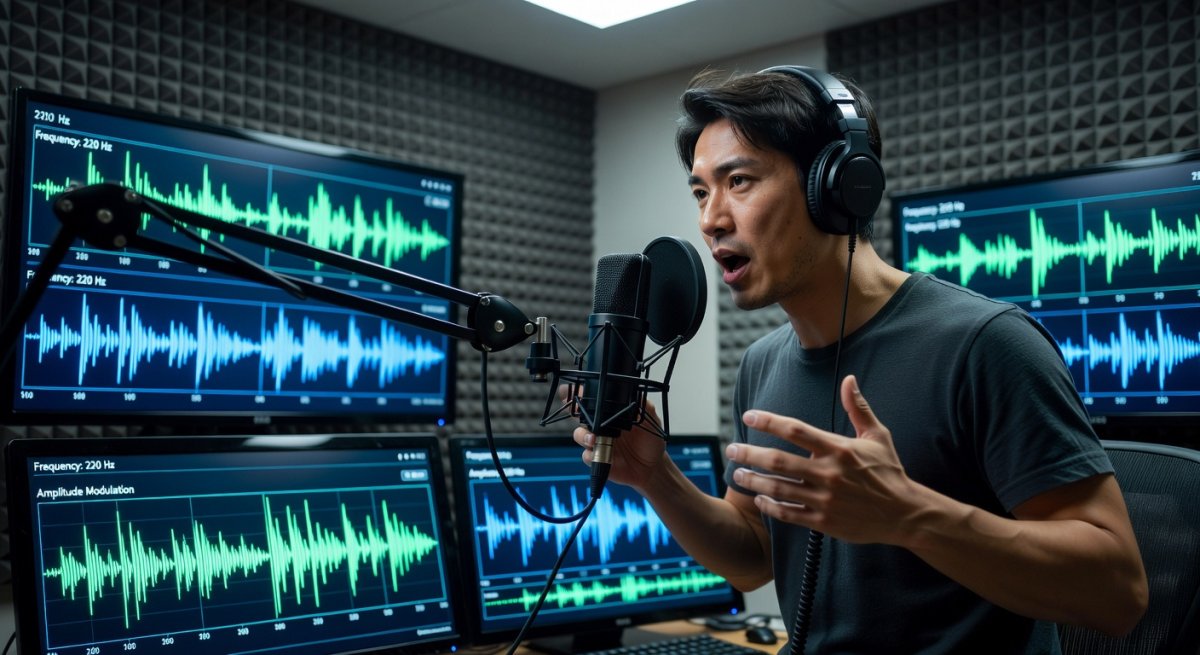
Voice cloning allows studios to recreate an actor’s speech patterns from existing recordings. Digital likeness technology can place a performer’s appearance into scenes without their physical presence. Background actor replacement has drawn particular scrutiny because large numbers of supporting roles could be generated rather than cast with live performers.
These applications raise questions about the scope of existing contracts and the need for new consent mechanisms. Industry observers note that early tests have already occurred on limited projects, though widespread deployment remains under negotiation.
SAG-AFTRA Positions and Contract Developments
The Screen Actors Guild-American Federation of Television and Radio Artists has prioritized protections for performers’ biometric data. Union representatives argue that any use of an individual’s voice or image requires explicit approval and residual payments. Negotiations continue to focus on clear definitions of synthetic replicas and enforcement procedures.
Studios have offered limited concessions in some contracts while maintaining that AI remains essential for remaining competitive. The outcome of these talks will likely influence similar discussions in other entertainment markets.
Japan’s AI Policy Framework and Domestic Industry
Japan’s government has advanced AI governance through the Ministry of Economy, Trade and Industry and the Digital Agency. METI guidelines emphasize human-centric development and risk assessment. These principles could inform responses to synthetic media in Japan’s animation and live-action sectors.
Japanese voice actors and talent agencies have begun internal discussions about consent standards. The anime industry, which relies heavily on voice performances, faces parallel questions about digital replicas. Policymakers are examining how Society 5.0 objectives can incorporate creative-industry safeguards without slowing technological adoption.
Asia-Pacific Implications and Regional Coordination
Other Asia-Pacific markets with growing film and animation output are monitoring Hollywood developments. Cross-border productions may encounter differing rules on synthetic performances. Japan’s semiconductor strategy and international technology partnerships could support tools that embed consent tracking into AI systems used regionally.
MOFA has highlighted the importance of aligning digital economy standards with trusted partners. Coordinated approaches may reduce friction for Japanese studios working with international platforms.
Practical Lessons for Japanese Stakeholders
Clear consent protocols and transparent disclosure requirements emerge as recurring themes from the U.S. experience. Japanese companies can incorporate similar provisions into production agreements before generative tools become routine. The Digital Agency’s ongoing work on data governance offers a foundation for addressing biometric information in creative fields.
Early engagement between unions, agencies, and technology providers may help Japan avoid protracted conflicts. Monitoring pilot projects in Hollywood provides concrete examples of both successful integration and points of friction that can guide domestic policy refinement.
By Kenji Tanaka, Staff Writer
This article was produced with AI-assisted research and editorial support. Reporting is based on sources cited in the article.
What's Your Reaction?
 Like
0
Like
0
 Dislike
0
Dislike
0
 Love
0
Love
0
 Funny
0
Funny
0
 Wow
0
Wow
0
 Sad
0
Sad
0
 Angry
0
Angry
0

Japan Correspondent at Global1.News. Tokyo-based voice covering Japanese politics, technology, economy, and culture. Tracks the intersection of tradition and innovation in one of the world's most dynamic societies.















Comments (0)