
**Meta Title:** Erdoğan Halts US Plan to Arm Iranian Opposition Groups
**Meta Description:** Analysis of how Turkish President Erdoğan convinced the US to abandon arming Iranian opposition and Iraqi Kurdish groups, exploring Turkey-Israel-Iran dynamics and regional proxy strategies. **Keywords:** Erdoğan Trump Iran opposition, Turkish influence US policy, arming Kurdish groups Iran, Israel Mossad Kurdish weapons, Tamir Hayman Iran destabilization,
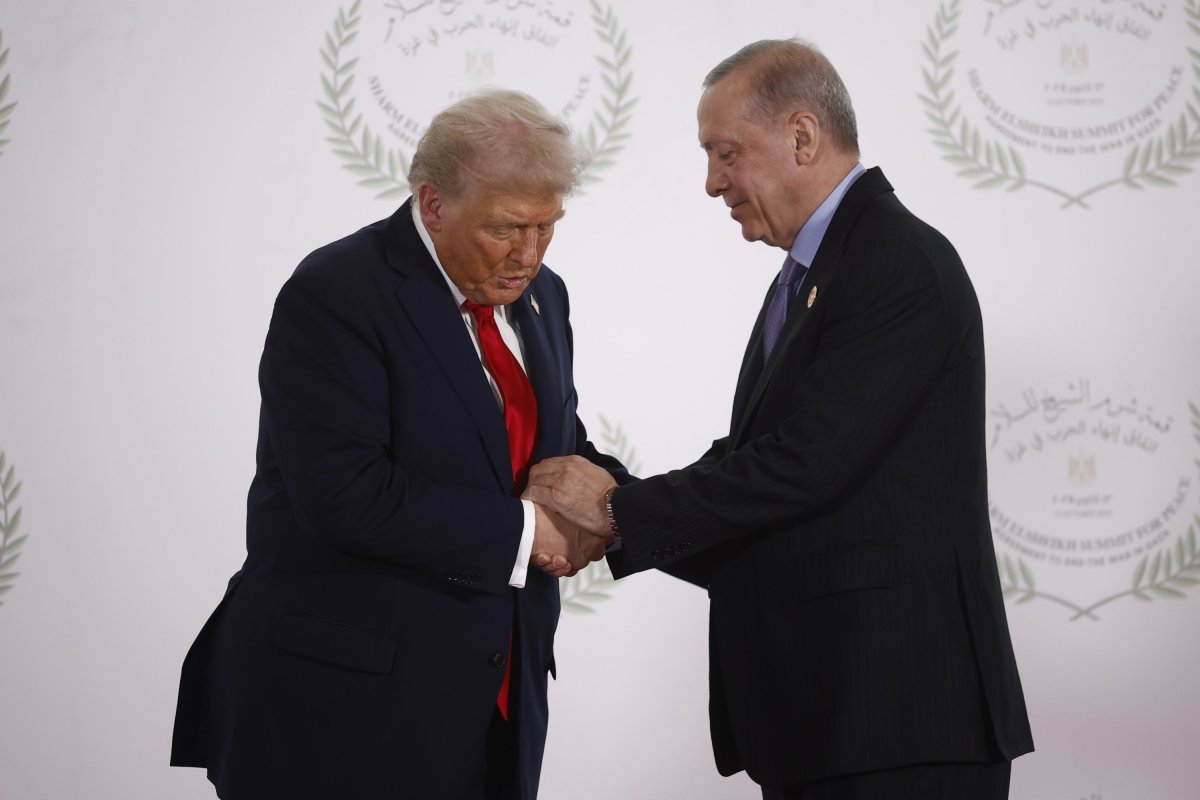
The Reported U.S. Initiative and Its Leaked Details
Israeli media reports indicate that a proposal to arm Iranian opposition groups and Iraqi Kurdish factions against Tehran reached President Donald Trump before Turkish intervention altered its course. The plan reportedly envisioned Israel providing a no-fly zone and air support for Kurdish advances, alongside weapons previously seized from Hamas in Gaza and Hezbollah in Lebanon. Publication of these details received clearance from Israeli military censors, suggesting internal debate over exposure.
Turkey’s Leverage in Washington and Erdoğan’s Direct Appeal
President Recep Tayyip Erdoğan reportedly learned of the initiative through White House channels and raised the matter directly with Trump. Turkish officials have long viewed any external arming of Kurdish groups near their borders as a direct security concern, given Ankara’s ongoing operations against PKK-linked networks. This intervention aligned with Turkey’s broader strategy of limiting Iranian influence while preventing the emergence of autonomous armed Kurdish entities that could embolden domestic separatist movements.
Israeli Calculations and the Role of Covert Options
Former Israeli Military Intelligence Directorate chief Tamir Hayman has publicly discussed Israel’s exploration of measures to weaken Tehran without large-scale U.S. troop involvement. These included encouraging attacks by anti-Iranian factions and support for Kurdish elements. Separate Israeli press accounts later claimed Mossad had already supplied weapons to certain Iranian Kurdish opposition groups. The reported plan reflected Israel’s preference for proxy pressure on Iran amid stalled nuclear talks and ongoing regional tensions involving Hezbollah and Hamas.
Kurdish Groups, PKK Links, and Cross-Border Risks
Any arming of Iraqi Kurdish factions carried immediate implications for Turkey’s southeastern border security. Ankara has consistently opposed the transfer of advanced weaponry to groups with potential ties to the PKK, which Turkey designates a terrorist organization. The reported scheme risked escalating clashes in northern Iraq and Syria, where Turkish forces maintain a sustained presence. Erdoğan’s outreach to Trump therefore served both immediate tactical goals and longer-term efforts to shape the balance of power among Kurdish actors.
Iran-Turkey Competition and Proxy Network Dynamics
The episode highlights the persistent rivalry between Ankara and Tehran across multiple theaters. While both countries maintain diplomatic and economic channels, they compete through influence in Iraq, Syria, and among regional opposition movements. Turkey’s decision to alert Washington to the arming proposal illustrates its willingness to use bilateral ties with the United States to constrain Iranian options without direct confrontation. Iran, for its part, continues to rely on networks including Hezbollah and allied Iraqi factions to project power, making any new armed opposition inside its borders a sensitive threshold issue.
Second-Order Effects on Regional Alliances and Energy Markets
Preventing the plan’s implementation reduced the immediate risk of wider Kurdish-Iranian clashes that could disrupt northern Iraqi oil infrastructure and affect OPEC+ supply calculations. It also preserved space for Turkey to pursue its own diversification agenda under economic programs that seek greater autonomy from traditional energy routes. For Israel, the outcome underscored limits on coordinating large-scale proxy support with Washington when Turkish objections are forcefully presented. The episode further illustrates how Abraham Accords-era normalization efforts coexist with older patterns of covert competition involving Iran’s nuclear program and its regional proxies.
Great-Power Context and Future Maneuvering
U.S. policy toward Iran remains shaped by domestic debates and alliance management with both Israel and Turkey. The reported involvement of figures such as Vice President JD Vance in the internal discussion, though denied by his office, points to ongoing friction over how aggressively to back opposition elements. As Iran’s nuclear activities draw continued IAEA scrutiny and Gulf states advance Vision 2030-style economic reforms, the space for proxy escalation remains tightly constrained by overlapping Turkish, Israeli, and American interests. Erdoğan’s successful intervention demonstrates Ankara’s continued capacity to influence outcomes in Washington on matters directly affecting its border security and regional standing. By Malik Hassan, Staff Writer
This article was produced with AI-assisted research and editorial support. Reporting is based on sources cited in the article.
What's Your Reaction?
 Like
0
Like
0
 Dislike
0
Dislike
0
 Love
0
Love
0
 Funny
0
Funny
0
 Wow
0
Wow
0
 Sad
0
Sad
0
 Angry
0
Angry
0
Middle East Correspondent at Global1.News. Based in Beirut, covering politics, conflict, energy, and society across the Middle East. Brings context and depth to a region often reduced to headlines.












Comments (0)