
Trump's Strait of Hormuz Gamble: Fee Reversed, Blockade Returns as Iran Strikes Escalate
In a recent BBC News report, the channel's business editor Simon Jack examined President Donald Trump's shifting strategy in the Strait of Hormuz — a policy reversal that saw the US abandon a proposed 20% fee on cargo shipping just 24 hours after announcing it, while simultaneously escalating its
In a recent BBC News report, the channel's business editor Simon Jack examined President Donald Trump's shifting strategy in the Strait of Hormuz — a policy reversal that saw the US abandon a proposed 20% fee on cargo shipping just 24 hours after announcing it, while simultaneously escalating its naval blockade of Iranian ports in the fifth consecutive night of US-Iran strikes.
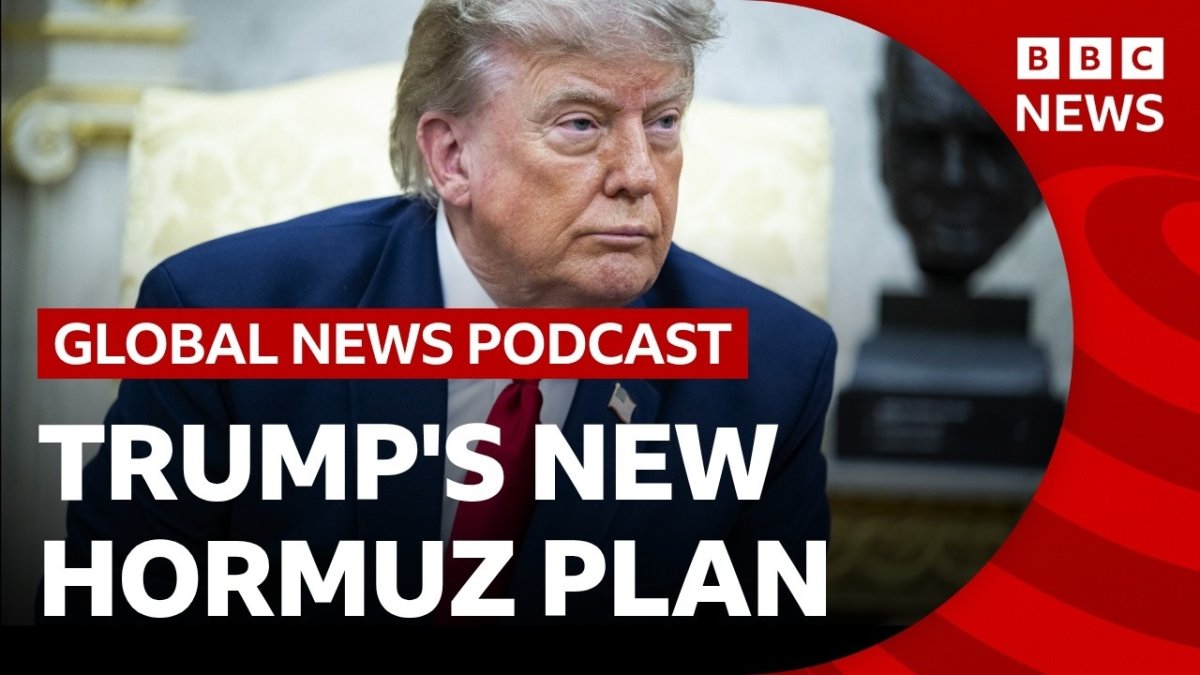
The developments this week have laid bare the chaotic nature of Washington's approach to the Strait of Hormuz crisis. On Monday, President Trump declared the US would impose a 20% "reimbursement fee" on all cargo passing through the strategic waterway — a demand that triggered sharp criticism from America's European allies and sent shockwaves through global energy markets. The fee was framed as compensation for the US Navy's role in protecting commercial shipping from Iranian attacks. But within hours, the White House was backpedaling. By Tuesday, Trump had reversed course entirely, announcing on Truth Social that the fee would be replaced with "Trade and Investment Deals" with Gulf states, adding that those investments would be "MASSIVE." The about-turn was so abrupt that it caught even senior US officials off guard — Defence Secretary Pete Hegseth had spent Tuesday defending the fee as part of a "laser-focused strategy" at a Pentagon press conference mere hours before Trump's reversal.
The 20% fee proposal had always faced significant practical and diplomatic hurdles. A fully loaded very large crude carrier (VLCC) would have faced approximately $32 million in additional costs per voyage at current oil prices — dramatically exceeding the roughly $2 million Iran itself had been charging ships using its northern route. European allies, including the UK, immediately voiced opposition. Foreign Secretary Yvette Cooper told Parliament that Britain "could not end up with tolls" that would "undermine freedom of navigation and the law of the sea." The abrupt reversal, therefore, reflected not just a change of heart but a recognition that the policy was unworkable from the start.
Trump's Strait of Hormuz Gamble: Fee Reversed, Blockade Returns as Iran Strikes Escalate
Washington, DC — 15 July 2026 — President Donald Trump's abrupt reversal of his 20% Strait of Hormuz toll, replaced by Gulf state investment deals, has exposed deep contradictions in the White House's Iran strategy as the US concurrently escalates its naval blockade of Iranian ports while Iran's Islamic Revolutionary Guard Corps continues strikes on commercial shipping in the strategic waterway.
The Escalating Military Calculus
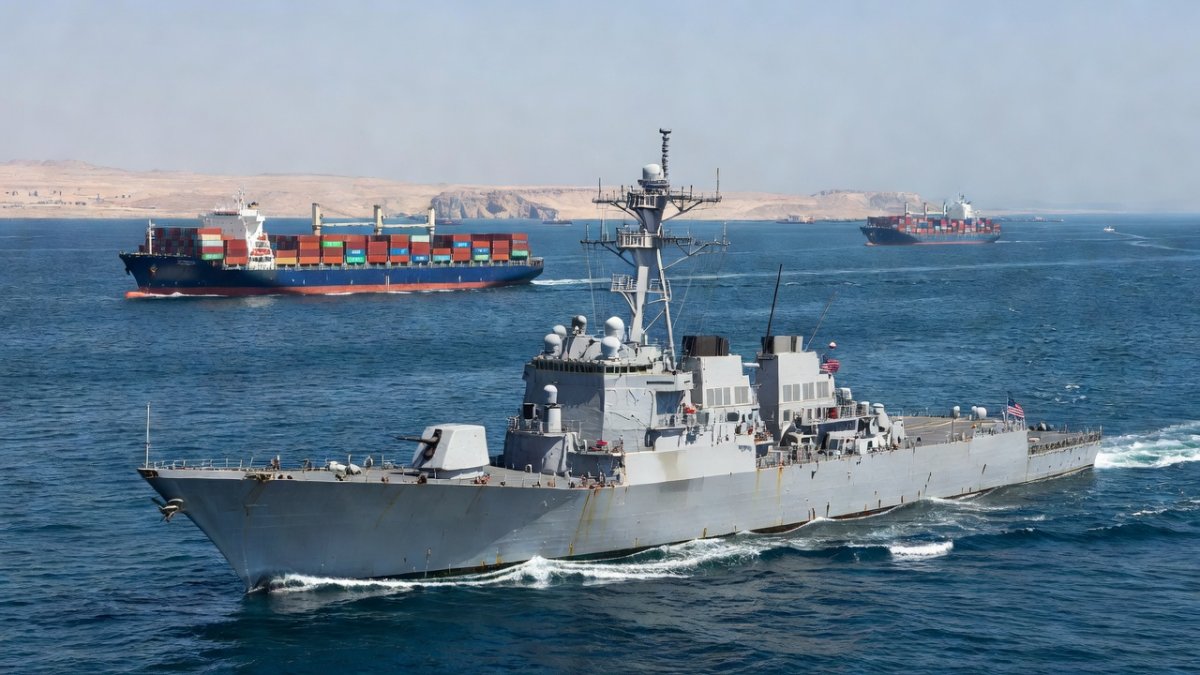
Even as Trump abandoned the fee proposal, the military dimension of the crisis intensified dramatically. The fifth consecutive night of US-Iran strikes underscored that neither side is prepared to de-escalate, despite the collapse of April's ceasefire. Iran's Islamic Revolutionary Guard Corps struck two UAE-flagged tankers — the Al Bahiyah and the Mombasa B — in the Strait of Hormuz, killing at least two seafarers and wounding 14 others, according to the International Maritime Organization. The IMO confirmed that 17 seafarers have now died since the US-Iran conflict began, a toll that continues to rise as commercial shipping becomes an active battlefield. Iranian state media reported multiple explosions near two key port cities — Bandar Abbas, home to Iran's primary naval base, and Bushehr, which hosts a civilian nuclear power plant. Kuwait's army announced it was confronting "hostile aerial targets" in its airspace, with air defence systems intercepting attacks throughout the day. The coordinated nature of the strikes suggests Iran is pursuing a deliberate strategy of regional saturation — targeting not just the US but its Arab allies across the Gulf, from Bahrain to Jordan to Kuwait. Frank Gardner, the BBC's security correspondent, described Iran as "playing a weak hand surprisingly well," noting that while Tehran is "totally outmatched by the US militarily," it is achieving strategic advantage by making the Strait of Hormuz "a dangerous place to transit."
The dual-track nature of the IRGC's strategy — striking commercial shipping in international waters while simultaneously targeting US military facilities across the Gulf — reflects a calculated escalation designed to maximize pressure on Washington without triggering a full-scale ground war. The range of missile and drone capabilities Iran has demonstrated allows it to threaten multiple fronts at once, forcing the US and its partners to spread resources thin. On Monday July 13, the US and Iran exchanged the fifth consecutive night of strikes, with explosions reported near Bandar Abbas and Bushehr on Tuesday July 14. The US blockade on Iranian ports is set to resume at 20:00 GMT, effectively halting all Iranian cargo movements. This approach aligns with statements from Defence Secretary Pete Hegseth, who had emphasized the US "leading with strength," yet it also exposes vulnerabilities as Iran's IRGC continues asymmetric operations. Gulf states such as Kuwait and Bahrain face direct spillover, with airspace incursions heightening tensions. From Tehran's viewpoint, these actions respond to perceived US violations of the ceasefire from day one, as noted by Foad Izadi of Tehran University. The strategy keeps the conflict contained to naval and aerial domains while disrupting global trade routes through the Strait of Hormuz.
Economic Fallout: The Price of Instability
Dr Jorge Leon, an energy economist at Rystad Energy, has been tracking the collapse of oil traffic through the Strait of Hormuz since the conflict erupted. He reports that towards the end of June, up to 15 million barrels of oil were passing through the strategic waterway daily. By mid-July, that figure had fallen below five million barrels, and it continues to decline. "We see very, very limited traffic right now, and that's worrying," Leon told the BBC. The price of Brent crude jumped to $87 a barrel on Tuesday, a 5% increase that reflected both the physical disruption to supply chains and the risk premium associated with an escalating conflict in the world's most critical energy chokepoint.
Leon noted that while $87 is significant, the market appears to be pricing in a probability of de-escalation — the price would be substantially higher if traders believed the strait would remain closed for weeks. "If it gets to two or three weeks of no traffic at all, then price pressures will start accumulating again," he warned. The wider economic impact extends beyond oil prices. UK government borrowing costs rose above 5% for the first time since May, as analysts warned that higher energy costs could fuel inflation across Europe. Gulf states including Oman and Bahrain, heavily reliant on stable maritime routes, face immediate revenue shortfalls from reduced tanker traffic. Global supply chains for liquefied natural gas and refined products have also tightened, with Victoria Mitchell of Control Risks noting that shipping companies are making "hour by hour decisions" on whether to transit the area. From the US perspective, the reversal to investment deals rather than fees aims to stabilize relations with Gulf partners, yet the blockade on Iranian ports threatens further supply shocks. Iran's economy, already strained, sees its oil exports crippled, while Russia benefits indirectly from elevated prices that bolster its position as an alternative supplier.
Netanyahu's Warning and the Israeli Dimension
Israeli Prime Minister Benjamin Netanyahu injected a volatile new element into the crisis, warning in a video statement that Israel's retaliation against any Iranian attack would be "much more powerful" than previous exchanges. "The days are over when someone strikes us and we don't strike them back twofold," Netanyahu declared. "We did this to the Axis of Evil in Iran, and we will continue to do so to anyone who harms us." The Israeli warning carries particular weight because Iran has previously framed its conflict as a multi-front confrontation involving proxies across the region. Netanyahu's stance aligns with Israel's strategic interest in preventing Iran from dominating the Strait of Hormuz, which could threaten energy supplies to Asia and Europe alike. US officials including Secretary of State Marco Rubio, who previously opposed tolling measures, now coordinate closely with Israeli counterparts to maintain pressure on Tehran without direct involvement in every strike.
From Israel's perspective, the US policy reversal on fees signals a focus on military containment rather than economic measures, allowing greater flexibility for joint operations. This development has prompted Gulf states to reassess their alignments, with some quietly supporting Israeli warnings to deter further Iranian aggression. The broader implication is a potential widening of the conflict if Iran responds to Israeli threats with additional strikes on shipping near the Strait of Hormuz.
Analysis — Russia's Strategic Calculus
From Moscow's perspective, the Strait of Hormuz crisis presents both opportunity and risk. As a major oil and gas exporter, Russia benefits from higher energy prices — every dollar increase in the price of crude strengthens the Kremlin's war budget and offsets the impact of Western sanctions. However, a prolonged closure of the strait could trigger a global recession that would ultimately reduce demand for Russian energy exports. This dual-edged dynamic has shaped the Kremlin's response to the crisis, with officials emphasizing support for Iran's right to defend its sovereignty while avoiding direct entanglement. Moscow maintains strategic interests in Iran as a counterweight to Western influence in the Middle East, and any disruption to flows through the Strait of Hormuz directly affects Russia's position as an oil exporter competing in Asian markets.
Russian analysts view the US blockade resumption as an overreach that could isolate Washington diplomatically, particularly among non-aligned nations. At the same time, elevated prices help stabilize the Russian economy amid ongoing conflicts elsewhere. The Kremlin has called for renewed negotiations to reopen the strait to all traffic except Iranian vessels, aligning partially with Trump's latest position but criticizing the initial fee proposal as destabilizing.
Trump's Strait of Hormuz Gamble: Fee Reversed, Blockade Returns as Iran Strikes Escalate
Washington, DC — 15 July 2026 — President Donald Trump's abrupt reversal of his 20% Strait of Hormuz toll, replaced by Gulf state investment deals, has exposed deep contradictions in the White House's Iran strategy as the US concurrently escalates its naval blockade of Iranian ports while Iran's Islamic Revolutionary Guard Corps continues strikes on commercial shipping in the strategic waterway.
What Comes Next
Trump has now committed to both a full naval blockade of Iranian ports and a framework of Gulf state investment deals. But the core question remains unanswered: how does the US intend to restore freedom of navigation in the Strait of Hormuz without either a diplomatic breakthrough with Tehran or a military escalation that risks drawing the entire region into a broader war. On Tuesday July 14, Trump stated the strait is "open to ALL Ship traffic except for Iran," yet oil flows have already dropped sharply, and further strikes near Bushehr and Bandar Abbas suggest continued volatility. UK Foreign Secretary Yvette Cooper has reiterated calls for de-escalation to protect global trade, while Gulf states weigh their options amid airspace threats in Kuwait and Bahrain.
Analysts suggest this signals a prolonged standoff where economic pressures may force concessions from all sides. Iran's IRGC appears prepared for extended operations, and Israel's warnings add another layer of complexity. Global markets will continue to react to each development, with potential ripple effects on inflation and growth worldwide. The coming days will test whether investment deals can substitute for direct fees while maintaining pressure on Tehran.
By Irina Volkov, Staff Writer
This article was produced with AI-assisted research and editorial support. Reporting is based on sources cited in the article.
What's Your Reaction?
 Like
0
Like
0
 Dislike
0
Dislike
0
 Love
0
Love
0
 Funny
0
Funny
0
 Wow
0
Wow
0
 Sad
0
Sad
0
 Angry
0
Angry
0

Russia/Eastern Europe Correspondent at Global1.News. Covering Russian politics, energy, security, and the shifting dynamics of the post-Soviet space. Provides clear-eyed analysis on one of the world's most opaque regions.













Comments (0)