
Epstein's Hidden Suicide Attempts Surface in New York Times Probe
The New York Times investigation has brought to light previously unreported suicide attempts by Jeffrey Epstein during his time at the Metropolitan Correctional Centre in New York. These incidents occurred while the financier awaited trial on sex trafficking charges in 2019. Cellmate Nicholas Tartaglione described at least two earlier episodes in which Epstein prepared to hang
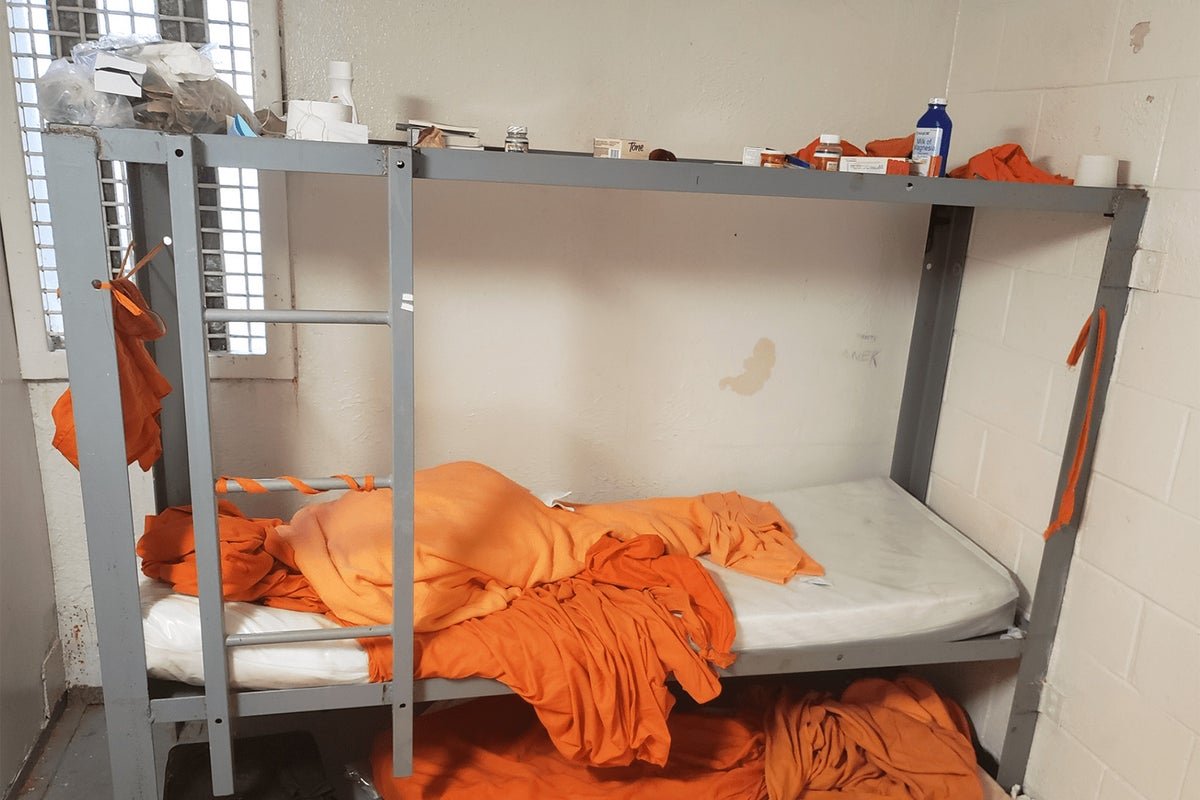
The New York Times investigation has brought to light previously unreported suicide attempts by Jeffrey Epstein during his time at the Metropolitan Correctional Centre in New York. These incidents occurred while the financier awaited trial on sex trafficking charges in 2019. Cellmate Nicholas Tartaglione described at least two earlier episodes in which Epstein prepared to hang himself, including attempts to secure a sheet to a grate above the cell window and the discovery of a noose hidden under a mattress. Such details challenge earlier accounts that focused solely on one failed effort before his eventual death.
Cellmate Tartaglione Describes Repeated Interventions
Nicholas Tartaglione, a former police officer convicted in a murder plot, recounted to investigators how Epstein sought advice on constructing a noose shortly after a judge denied bail following roughly two weeks in custody. Tartaglione stated he twice prevented Epstein from carrying out the act. On one occasion he felt a bump against his legs while sleeping on a mattress placed on the floor and wearing headphones, only to find Epstein seated with a noose around his neck against the bunk bed. Tartaglione cut the material with a razor and performed chest compressions until guards arrived.
The July 22 Incident and Immediate Aftermath
Four days after the bail decision, on 22 July 2019, Epstein wrote the word J'ACCUSE on a sheet of paper. Hours later at 1:27 a.m. guards responded to loud banging and found him lying motionless with an orange fabric fashioned into a noose loosely around his neck. He was placed in an observation cell near the jail psychologist's office for the remainder of the night and fitted with a rip-proof anti-suicide smock. Prison staff had already moved him to this location after the earlier interventions described by Tartaglione.
Despairing Notes Reveal Epstein's State of Mind
Court documents released later included a note in which Epstein wrote that investigators had found nothing after months of scrutiny. The message continued with the line "It is a treat to be able to choose one's time to say goodbye" followed by rhetorical questions about emotional displays and underlined phrases such as NO FUN and NOT WORTH IT. Additional writings discovered in the cell expressed concern over pain inflicted on others and questioned why people he loved should suffer for his problems. These fragments provide direct evidence of his documented distress in the days before his death on 10 August.
Questions of Oversight at the Metropolitan Correctional Centre
The revelations from Tartaglione's account raise fresh scrutiny over procedures at the Metropolitan Correctional Centre, where Epstein was held in the special housing unit. Guards discovered him unresponsive on the floor during the July 22 episode yet the facility's response protocols did not prevent his later death. The case continues to prompt examination of how high-profile inmates are monitored, particularly those with extensive social and financial connections that extend across the Atlantic to British political and social circles. Whitehall officials have previously noted the importance of robust prison standards when dealing with complex international cases, though no direct policy changes have been linked to this investigation.
Implications for Public Understanding of the Case
The New York Times findings add layers to the official narrative surrounding Epstein's final weeks. They illustrate repeated opportunities for intervention that were not fully reflected in initial reports. As the Metropolitan Correctional Centre remains under review for its handling of vulnerable detainees, the details shared by Tartaglione underscore the challenges faced by staff in such environments. The story resonates in Britain where similar debates over prisoner welfare and institutional accountability continue within the Ministry of Justice and among local councils responsible for oversight of detention facilities.
By Erica Thornton, Staff Writer
This article was produced with AI-assisted research and editorial support. Reporting is based on sources cited in the article.
What's Your Reaction?
 Like
0
Like
0
 Dislike
0
Dislike
0
 Love
0
Love
0
 Funny
0
Funny
0
 Wow
0
Wow
0
 Sad
0
Sad
0
 Angry
0
Angry
0

US Politics and Policy Correspondent at Global1.News. Based in Washington DC, covering American politics, policy, elections, and the courts. Knows how the system works and tells you what it actually means.















Comments (0)