
Dominion v. Fox: The $787.5 Million Settlement That Shook Media
Dominion v. Fox: The $787.5 Million Settlement That Shook Media The Trial That Nearly Happened Jury selection was set to begin in Wilmington, Delaware, with roughly 300 potential jurors summoned to Courtroom 7E in the New Castle County Courthouse. The proceedings were scheduled to open in April 2023, just days before the parties reached their agreement. Dominion Voting Systems
The Trial That Nearly Happened
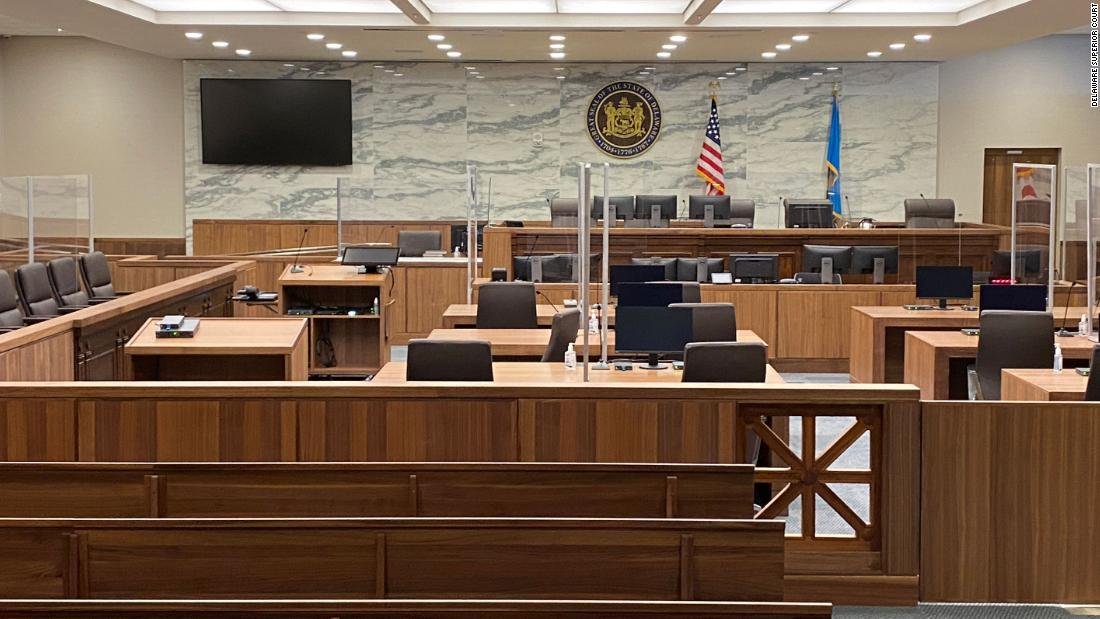
Jury selection was set to begin in Wilmington, Delaware, with roughly 300 potential jurors summoned to Courtroom 7E in the New Castle County Courthouse. The proceedings were scheduled to open in April 2023, just days before the parties reached their agreement. Dominion Voting Systems had asked for $1.6 billion in damages, and the case centered on whether Fox News knowingly broadcast false claims about the company's voting machines after the 2020 election.
The Delaware setting placed the matter before Superior Court Judge Eric Davis, who had already ruled that several on-air statements were false as a matter of law. Courtroom 7E would have hosted weeks of testimony from Fox executives and on-air personalities. The trial promised to examine internal decision-making at the network in granular detail.
Local court staff prepared for extensive media coverage and security measures typical of high-profile civil matters. Potential jurors faced questions about their exposure to election coverage and their familiarity with the parties involved. The process was expected to last several days before opening statements.
Discovery Exposed the Gap Between Private Doubt and Public Broadcast
Pre-trial filings revealed internal communications in which Fox personnel privately questioned the election-fraud claims they continued to air. Rupert Murdoch and CEO Suzanne Scott exchanged messages indicating skepticism about certain guest allegations, yet the network maintained its programming lineup. Tucker Carlson and Sean Hannity also appeared in emails and texts that showed reservations not reflected in their on-air commentary.
These documents emerged through standard discovery procedures and were cited in court papers well before any settlement. Dominion's legal team highlighted instances where producers and hosts flagged concerns about specific assertions regarding voting-machine manipulation. The contrast between those private exchanges and the continued broadcasts formed the core of the defamation allegations.
Judge Davis allowed portions of the communications into the public record during motion practice. The filings demonstrated that some Fox decision-makers were aware of contrary information from election officials and other sources. This evidence shaped expectations for what testimony might have revealed had the case proceeded to trial.
Why Fox Settled Instead of Fighting
Fox had attempted multiple times to have the case dismissed before trial, but Judge Davis rejected those motions and signaled impatience with further delays. The prospect of senior executives and prominent hosts testifying under oath in Courtroom 7E created significant risk. Rupert Murdoch, Suzanne Scott, Tucker Carlson, and Sean Hannity were all listed as potential witnesses.
The $787.5 million settlement was announced in April 2023, days before jury selection was to begin. The amount represented a substantial payout without any admission of liability by Fox. Settlement talks intensified once it became clear that internal documents would be central to the trial presentation.
Legal observers noted that continued litigation would have exposed additional communications and required extended public scrutiny of network practices. The Delaware court schedule left little room for further postponements. Fox ultimately chose to resolve the matter rather than proceed with the scheduled proceedings.
What the $787.5 Million Payout Actually Meant
The settlement stands as the largest defamation payout in U.S. media history. Dominion received the funds without securing a jury verdict or a formal finding of liability against Fox. The agreement included no requirement for on-air corrections or changes to programming practices.
Payment of this magnitude sent a clear financial signal to media companies weighing similar litigation risks. While Fox avoided an admission of wrongdoing, the cost exceeded typical insurance coverage and required corporate-level approval. The figure dwarfed earlier settlements in comparable defamation matters.
Analysts viewed the outcome as evidence that discovery-driven cases can impose real costs even when defendants maintain they acted within First Amendment bounds. The absence of a trial left some factual questions unresolved. Still, the dollar amount alone altered calculations for future coverage decisions.
A Watershed for Media Accountability
The case altered internal incentives at cable news outlets by demonstrating the financial exposure created by unverified claims. Newsrooms began reviewing how private communications might surface in litigation and affect editorial choices. Fact-checking processes received renewed attention as a potential defense against defamation exposure.
Executives across the industry noted the role that text messages and emails played in shaping the public record. Practices around documenting editorial skepticism tightened in some organizations. The Delaware proceedings illustrated how discovery can bridge the gap between on-air content and behind-the-scenes discussions.
Public attention to the settlement reinforced expectations that major outlets maintain consistent standards when reporting election-related information. The outcome did not impose new legal rules but highlighted existing ones. Media companies adjusted risk assessments accordingly in subsequent coverage cycles.
Lessons for the Industry and the Public
Journalists learned that internal doubts expressed in writing can become central evidence when defamation claims arise. Viewers gained insight into the distinction between what appears on screen and what circulates in private channels. The Dominion filings underscored the importance of sourcing rigor before amplifying unverified allegations.
Discovery remains a powerful tool for plaintiffs seeking to test the good-faith basis of reporting. The case showed that even prominent hosts and executives can be required to explain their statements under oath. Public access to those documents provided a rare window into newsroom decision-making.
Both sides of the media ecosystem absorbed the practical takeaway that settlement can limit further disclosure. The $787.5 million figure served as a concrete reminder of the stakes involved. Viewers were encouraged to weigh on-air certainty against the fuller record that litigation can produce.
Looking Back: What Changed After Dominion
Cable news election coverage after April 2023 reflected greater caution in some segments, particularly around voting-machine claims. Outlets increased legal review of sensitive segments and tightened guest-vetting procedures. The Dominion settlement contributed to a broader recalibration of risk tolerance.
Defamation law itself did not undergo statutory change, yet the case reinforced the consequences of discovery in high-stakes litigation. Other voting-technology companies monitored developments for potential future actions. Fox maintained its overall programming approach while absorbing the financial impact.
Over time, the episode became a reference point in discussions of media responsibility during contested elections. The absence of a full trial left certain questions open, but the settlement amount ensured the matter would not be quickly forgotten. Industry practices evolved incrementally rather than through sweeping reform.
By Jessica Ali, Staff WriterThis article was produced with AI-assisted research and editorial support. Reporting is based on sources cited in the article.
What's Your Reaction?
 Like
0
Like
0
 Dislike
0
Dislike
0
 Love
0
Love
0
 Funny
0
Funny
0
 Wow
0
Wow
0
 Sad
0
Sad
0
 Angry
0
Angry
0

Editor-in-Chief at Global1.News. Atlanta-based journalist who cuts through the BS and tells it like it is. Lead anchor, host, and the voice you hear when the spin stops and the truth starts.















Comments (0)