
Cuba on the Brink: Fuel Shortages, Blackouts, and a Deepening Crisis Threaten the Island
In a recent DW News report titled "Cuba on the brink: The end of a revolution?" from the To the Point episode, correspondents detail how Cuba confronts massive fuel shortages, widespread blackouts, and an accelerating economic crisis while tensions with the United States intensify over declining oil imports and stricter sanctions. Cuba on the Brink: Fuel Shortages, Blackouts, a
In a recent DW News report titled "Cuba on the brink: The end of a revolution?" from the To the Point episode, correspondents detail how Cuba confronts massive fuel shortages, widespread blackouts, and an accelerating economic crisis while tensions with the United States intensify over declining oil imports and stricter sanctions.
Cuba on the Brink: Fuel Shortages, Blackouts, and a Deepening Crisis Threaten the Island
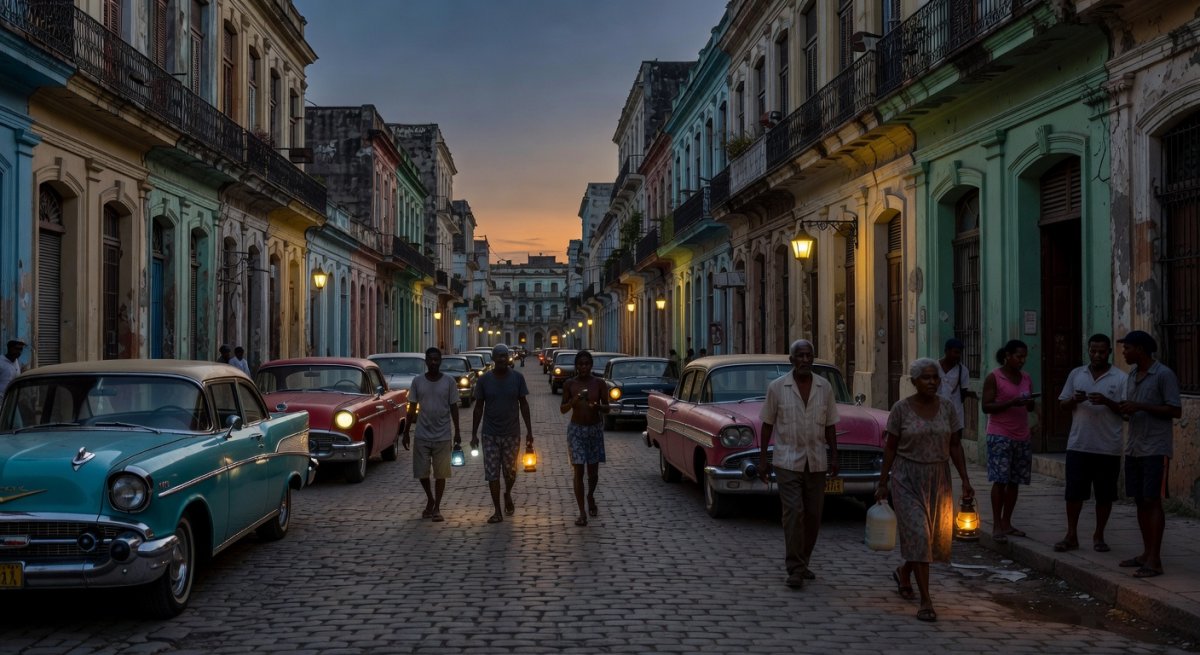
Mexico City, Mexico — The capital city of Havana now experiences daily lines at gas stations that stretch for blocks, with many residents in the Vedado and Centro Habana neighborhoods unable to secure fuel for cooking or transport. Oil imports have dropped sharply in recent months, leaving state refineries operating below capacity and forcing cuts in public bus routes across the island.

Fuel Shortages Strain Havana and Beyond
These shortages directly affect workers who rely on transportation to reach jobs in tourism zones such as Varadero and Santiago de Cuba. Families report spending entire mornings searching for gasoline rather than working, reducing household income at a time when food prices continue climbing. The drop in oil imports from traditional partners has left the island's energy grid vulnerable, a situation compounded by aging infrastructure and limited foreign currency reserves.
Blackouts Disrupt Daily Life Across the Island
Power outages lasting eight to twelve hours have become routine in provinces including Matanzas and Holguín, halting water pumping systems and spoiling refrigerated goods in small markets and bodegas. The state electric company has warned that generation capacity remains insufficient after maintenance delays on aging thermoelectric plants. Students in secondary schools in Santiago de Cuba now study by candlelight during evening hours, while healthcare clinics in rural areas struggle to keep vaccines and medicines at proper temperatures. These blackouts compound existing difficulties for households already coping with limited access to imported goods and basic necessities.
US Sanctions Tighten Amid Rising Regional Pressure
Analysts cited in the DW News segment describe a dangerous turning point as Washington maintains and expands sanctions that limit Cuba's access to international financing and energy supplies. Oil deliveries from traditional partners have fallen, leaving the government with fewer options to stabilize the economy. Geopolitical pressure in the Caribbean has grown as neighboring countries monitor the situation closely. The combination of reduced imports and financial restrictions has slowed commercial activity in ports such as Mariel, affecting both state enterprises and private cooperatives that once supplied fresh produce to urban centers.
Mexico Maintains Independent Stance on Cuba Policy
The Secretaría de Relaciones Exteriores in Mexico City has consistently advocated for dialogue rather than additional sanctions, reflecting long-standing positions held by both the previous and current administrations. This approach echoes Mexico's defense of national sovereignty in dealings with the United States and other regional actors. Officials in the Palacio Nacional have noted that unilateral measures rarely resolve complex economic challenges and can increase migration pressures across the Caribbean basin. Mexico's position allows continued diplomatic engagement even as other governments adjust their policies, reinforcing the long-standing ties between the two nations that date back to Mexico's refusal to sever relations with Cuba during the Cold War era.
Impact on Mexican-Cuban Communities and Trade Links
Communities in Cancún and Mérida with longstanding Cuban family ties report increased requests for financial support and temporary housing as conditions on the island worsen. Remittances sent through formal channels have risen, yet many families still face delays due to banking restrictions tied to broader sanctions. Small businesses in Mexico that once imported Cuban rum, coffee, and cigars now encounter supply disruptions, raising costs for restaurants and specialty stores in Guadalajara and Monterrey. These commercial ties, though modest in volume, sustain cultural exchanges that both nations have maintained for decades. The Cuban community in Mexico, concentrated in the capital and along the Yucatán Peninsula, watches with concern as relatives on the island endure worsening conditions.
Parallels with Mexican Sovereignty and Regional Stability
Debates in the Congreso de la Unión about energy independence and foreign policy echo the concerns now surfacing in Cuba. Lawmakers from multiple parties, including Morena, PAN, and Movimiento Ciudadano, have referenced the island's situation when discussing Mexico's own energy security and the role of state companies such as PEMEX in shielding the domestic market from external shocks. Observers in Mexico City note that prolonged instability in Cuba could affect tourism flows, migration routes, and diplomatic coordination on issues such as hurricane response and public health cooperation through the Pan American Health Organization. The Secretaría de Gobernación continues to monitor arrivals from the Caribbean while maintaining consular services in Havana. Humanitarian organizations warn that without renewed energy supplies, more Cuban households will face food insecurity and limited medical access in the months ahead. Mexican civil society groups have begun organizing collections of basic medicines for shipment through established channels, underscoring the personal connections that persist despite political differences.
What to Watch For
The situation remains fluid, with analysts emphasizing that any shift in US-Cuba relations or new energy agreements could alter the trajectory for millions of residents across the island and their extended communities in Mexico. As the Caribbean enters hurricane season, the combination of economic fragility and infrastructure vulnerability raises the stakes for a population already enduring daily hardships. Whether through renewed diplomatic engagement, humanitarian corridors, or a reassessment of sanctions policy, the coming weeks will determine whether Cuba can avert a deeper humanitarian catastrophe.
By Rosa Martinez, Staff Writer
This article was produced with AI-assisted research and editorial support. Reporting is based on sources cited in the article.
What's Your Reaction?
 Like
0
Like
0
 Dislike
0
Dislike
0
 Love
0
Love
0
 Funny
0
Funny
0
 Wow
0
Wow
0
 Sad
0
Sad
0
 Angry
0
Angry
0

Editor-in-Chief at Global1.News. Atlanta-based journalist who cuts through the BS and tells it like it is. Lead anchor, host, and the voice you hear when the spin stops and the truth starts.













Comments (0)