
Colombia Vote Shakes Mexico Trade and Security Ties
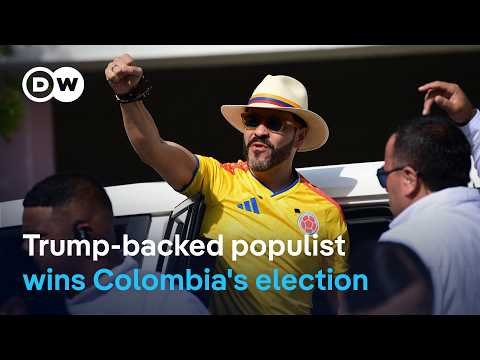
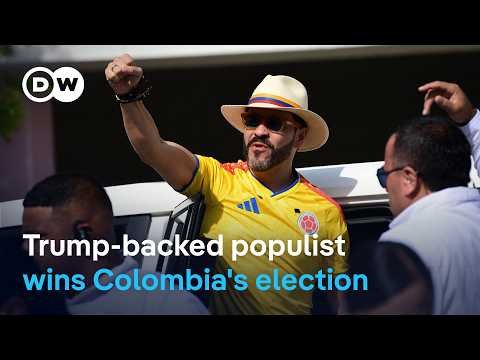
Watching the DW News video titled Colombia Election: Trump-Backed De la Espriella Claims Victory brings to mind the deep connections between our Mexican communities and our neighbors in Colombia, especially after the June 21, 2026 runoff that ended with Abelardo de la Espriella at 49.66 percent against Ivan Cepeda. Election Results and Immediate Reactions With 99.99 percent of
Watching the DW News video titled Colombia Election: Trump-Backed De la Espriella Claims Victory brings to mind the deep connections between our Mexican communities and our neighbors in Colombia, especially after the June 21, 2026 runoff that ended with Abelardo de la Espriella at 49.66 percent against Ivan Cepeda.
Election Results and Immediate Reactions
With 99.99 percent of votes counted, conservative outsider Abelardo de la Espriella claimed victory in Colombia's presidential runoff on June 21, 2026. The margin proved the closest in the country's modern history, leaving many families in both nations wondering how the outcome will shape daily life. OAS observers continued monitoring the process amid growing tension.
Leftist candidate Ivan Cepeda of the Pacto Historico and Gustavo Petro coalition quickly challenged the results, citing irregularities at polling stations across the country. Supporters gathered in city centers to voice concerns, echoing scenes familiar to those who remember Mexico's own tight electoral moments in places like Guadalajara and Monterrey.
Protests erupted in Bogota, Medellin, Cali, and Barranquilla this week, drawing thousands who fear shifts in social programs. These demonstrations highlight the human stakes for ordinary citizens who rely on stable governance, much like families in Mexico City who follow regional news with personal interest.
Strengthening Pacific Alliance Bonds
The Pacific Alliance, uniting Mexico, Colombia, Chile, and Peru, stands to feel immediate effects from the new leadership in Bogota. Trade routes that move coffee, flowers, and manufactured goods between Acapulco and Cartagena could face new priorities under a tough-on-crime populist approach.
Mexican exporters in the state of Jalisco already coordinate closely with Colombian partners on agricultural standards. Any policy change in security or tariffs would directly influence jobs in both countries, reminding us how connected our economies remain despite political shifts.
Business owners along the Pacific coast view the alliance as a lifeline for small enterprises. They recall shared cultural festivals that celebrate our common heritage, hoping the election outcome will not disrupt the steady flow of goods that supports families on both sides of the border.
Navigating USMCA Implications
Although USMCA centers on the United States, Mexico, and Canada, Colombia's election carries indirect consequences for regional supply chains. De la Espriella's platform may influence how Mexican firms manage investments that link North American markets to South American production hubs.
Automotive parts manufacturers in Puebla and electronics assemblers in Tijuana watch closely for signs of altered trade rules. A focus on stricter law enforcement could either stabilize or complicate cross-border logistics that have grown steadily since the agreement took effect.
Analysts in Mexico City note that any hardening of Colombian policies might prompt adjustments in how USMCA partners coordinate on labor and environmental standards. These changes would ultimately affect workers who assemble goods destined for markets throughout the hemisphere.
Joint Efforts on Cartel Security
Security cooperation between Mexico and Colombia has long targeted transnational criminal networks. De la Espriella's tough-on-crime stance could open new channels for intelligence sharing, building on existing efforts that involve authorities in both Bogota and Mexico City.
Communities along Mexico's Pacific coast, from Mazatlan to Puerto Vallarta, understand the daily impact of cartel violence. Closer coordination with Colombian counterparts might reduce the flow of illicit goods that reach our shores and threaten neighborhood safety.
Local leaders in border states emphasize that effective defense requires sustained dialogue rather than isolated actions. They point to past joint operations that disrupted smuggling rings, underscoring the need for continued partnership regardless of who occupies the presidential palace in Bogota.
Managing Migrant Routes to the North
Migrant routes that begin in Colombia and pass through Central America before reaching the US-Mexico border remain a pressing concern for families on the move. The election result could reshape policies that either ease or restrict transit for those seeking safety and opportunity.
Shelters in Tapachula and other southern Mexican cities already host many travelers from Colombia and beyond. Officials under the Sheinbaum administration continue to balance humanitarian needs with border management, aware that decisions in Bogota influence daily arrivals.
Stories of resilience from migrants who cross multiple countries remind Mexican readers of our own history of movement and adaptation. Any shift in Colombian enforcement practices would ripple northward, affecting reception centers and community resources along the entire corridor.
Sheinbaum Administration's Regional Approach
President Claudia Sheinbaum has prioritized steady engagement with Latin American partners since taking office. Her administration's focus on dialogue positions Mexico to work constructively with the incoming Colombian government on shared challenges like trade and security.
Meetings scheduled in coming months between Mexican and Colombian officials will test how personal relationships can bridge ideological differences. These encounters often produce practical agreements that benefit citizens far from capital cities.
Communities in Oaxaca and Chiapas follow these developments closely because regional stability directly influences local economies. Sheinbaum's emphasis on cooperation offers a model for maintaining open lines even when election outcomes introduce new variables.
Voices from the Streets in Major Cities
Protests in Bogota, Medellin, Cali, and Barranquilla reflect deep divisions that mirror tensions seen during Mexico's own electoral cycles. Residents worry about potential cuts to social services and shifts in public safety priorities under the new leadership.
Journalists on the ground report families gathering in public squares to discuss the 49.66 percent result and what it means for education and health programs. These conversations echo those held in Mexican plazas where citizens debate the future with equal passion.
OAS observers remain present to document developments, providing an international lens that reassures many observers. Their presence helps ensure transparency, a value cherished across Latin America where trust in institutions often determines daily peace of mind.
Looking Ahead for Latin American Unity
The narrow victory of Abelardo de la Espriella marks a pivotal moment for Colombia and its neighbors. Mexican readers recognize that outcomes in one country quickly influence neighbors through trade, migration, and cultural exchange.
Shared traditions, from music festivals to family recipes passed across generations, continue to bind our peoples even amid political uncertainty. These human connections provide the foundation for future cooperation that transcends any single election.
As results settle and new policies take shape, communities from Mexico City to Barranquilla will watch closely. The coming months will reveal whether the closest contest in Colombia's modern history leads to greater stability or prolonged division for the entire region.
By Rosa Martinez, Staff Writer
This article was produced with AI-assisted research and editorial support. Reporting is based on sources cited in the article.
What's Your Reaction?
 Like
0
Like
0
 Dislike
0
Dislike
0
 Love
0
Love
0
 Funny
0
Funny
0
 Wow
0
Wow
0
 Sad
0
Sad
0
 Angry
0
Angry
0
Latin America/Andes Correspondent at Global1.News. Based in Bogota, covering politics, environment, energy, and social movements across the Andean region. Passionate about environmental journalism and communities protecting their land.















Comments (0)